
Airfare and hotels aren’t the only line items creeping up on your 2026 travel budget. A wave of cities and regions has rolled out new or higher entry fees this year, aimed at taming overtourism and funding the infrastructure that all those visitors lean on. Some of these charges are a few dollars tacked onto a hotel bill; others require pre-booking an entry pass before you even land. Here’s what’s actually changed in 2026, straight from the source, so you can build it into your trip budget before you book.
Venice: A Two-Tier Access Fee, Now With a Late Booking Penalty
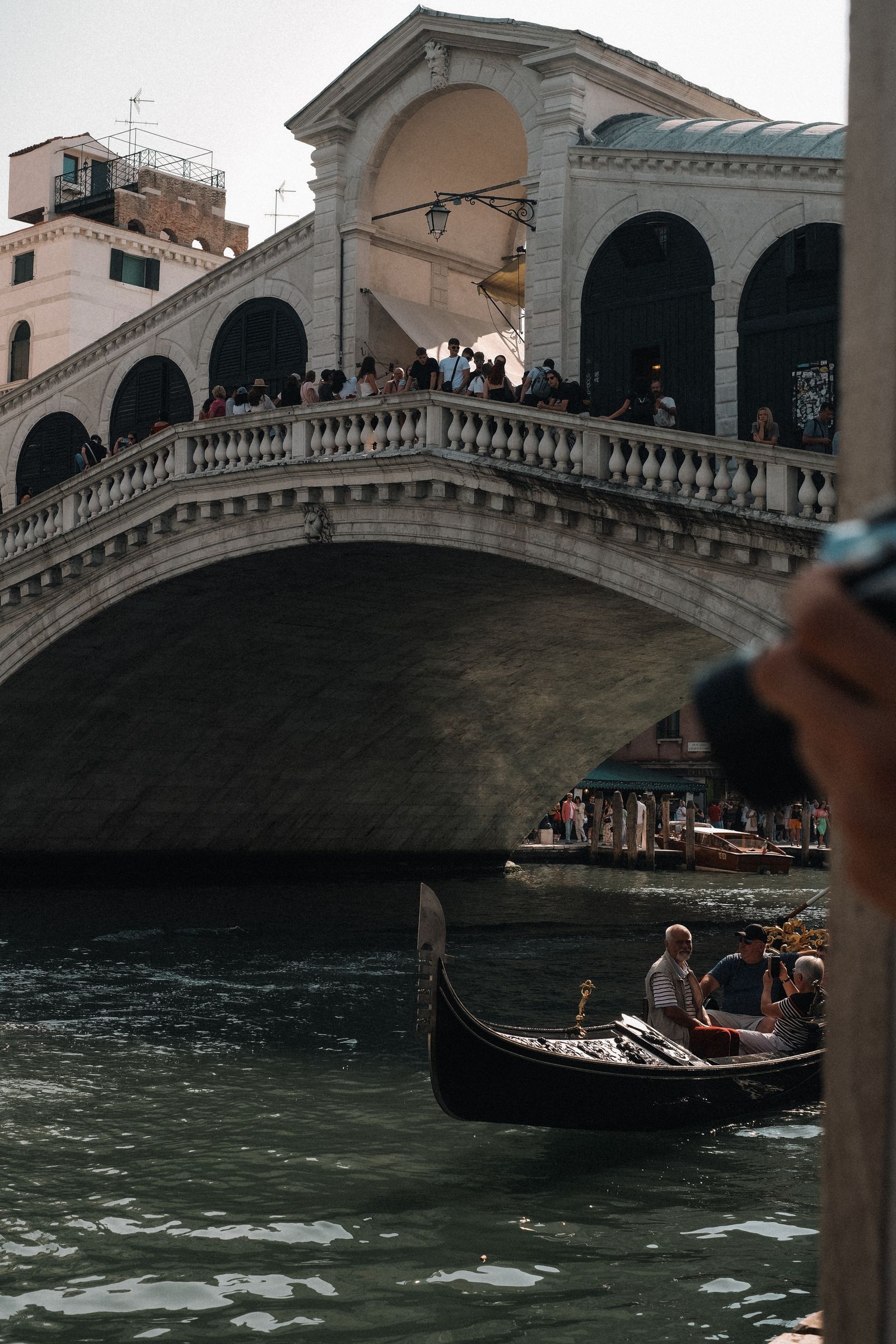
Venice brought back its “contributo di accesso” for a third year, and the city has made it more expensive to procrastinate. According to the City of Venice’s official access-fee page, day-trippers ages 14 and up need to pay to enter the historic center on 60 specific dates between April 3 and July 26, 2026 — mostly weekends, holidays, and other peak-crowd days. Book at least four days ahead and it’s just 5 euros; wait until the last minute and the same pass jumps to 10 euros, part of the city’s push to get visitors reserving in advance. Skip it entirely and get caught, and you’re looking at a fine of 25 to 150 euros on top of the fee itself. Residents, students, workers, and anyone who owns property in Venice are exempt, but if you’re staying overnight in the city you’re also off the hook — the charge is aimed squarely at day visitors.
Edinburgh: Scotland’s First Visitor Levy Just Launched
Scotland’s capital made history this summer as the first Scottish city to charge visitors for the privilege of sleeping there. The City of Edinburgh Council confirmed its Visitor Levy took effect on July 24, 2026, adding a 5% charge on top of the cost of paid overnight accommodation, capped at five consecutive nights per stay. That means a family paying £200 a night for a hotel room will see an extra £10 tacked onto the bill, whether they’re staying at a hostel or a five-star property. The council projects the levy could raise up to £50 million a year for local services and infrastructure. “This small new contribution from overnight visitors will help improve the services and public spaces we all depend on,” Council Leader Jane Meagher said in the city’s official announcement. Other Scottish destinations, including the Highlands, are watching Edinburgh’s rollout closely before deciding whether to follow suit.
Bali: The Rp 150,000 Entry Levy Keeps Rolling
Indonesia’s most popular island isn’t raising its tourist levy this year, but it’s worth a fresh mention because so many travelers still show up unaware it exists — and enforcement has tightened. Every foreign visitor arriving in Bali for tourism owes a one-time Rp 150,000 fee (roughly $9), payable through the province’s official Love Bali portal before arrival, at airport and seaport counters, or through registered hotels and travel agents once you’re on the ground. The Bali provincial government says the money is earmarked specifically for preserving Balinese culture and the island’s natural environment, funding everything from temple upkeep to waste management in tourist-heavy areas. Diplomatic visa holders, crew members, and certain permit holders are exempt, but everyone else should budget for it and pay online in advance to skip the airport lines.
Barcelona and Catalonia: A Doubled Tourist Tax
Spain’s Catalonia region rewrote its tourist tax rules this spring, and the increase is steep. Catalonia’s tax agency confirmed the new rates in an official notice that took effect April 1, 2026, after the change was published in Spain’s official state bulletin, according to reporting on the new law. The regional base rate now runs up to 7 euros per person, per night at luxury hotels, 3.40 euros at four-star properties, and 4.50 euros at tourist apartments. On top of that, Barcelona’s city council is allowed to add its own municipal surcharge of up to 8 euros a night — meaning a couple in a five-star hotel could see combined nightly tourist taxes exceeding 15 euros per person before their room rate is even factored in. Further increases are already scheduled for 2027, so this isn’t the last hike Barcelona visitors should expect.
How to Budget for the New Fees
None of these charges will break a trip on their own, but stacked together across a multi-city European itinerary, they add up fast — easily $50 to $100 per person for a family hopping between Venice, Barcelona, and Edinburgh. The smartest move is to check each destination’s official tourism or council website while you’re still planning, not after you’ve booked flights, since several of these fees (Venice’s especially) are cheaper the earlier you reserve. Building a small “local fees” line into your travel budget, the same way you’d plan for resort fees or baggage charges, will save you from an unpleasant surprise at check-in or at the city gate.