
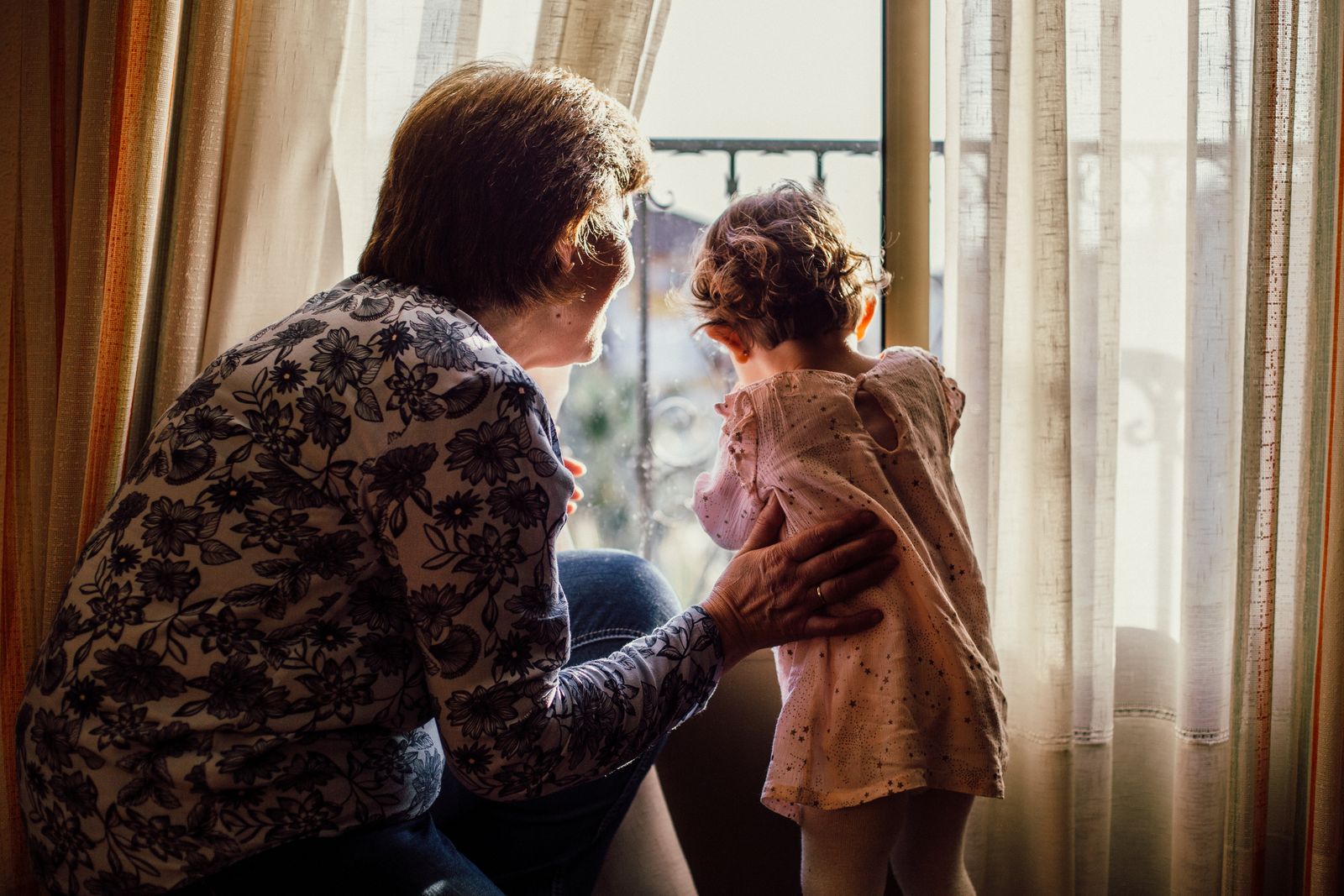
Grandparents who step in to raise their grandchildren full time face a measurably higher risk of dying earlier than peers who aren’t providing that care, according to a new Census Bureau working paper that tracked millions of older Americans for two decades.
The paper, “The Mortality Risk of Raising Grandchildren in the United States,” was published in February 2026 by researchers Hongwei Xu, John R. Logan and Todd K. Gardner through the Bureau’s Center for Economic Studies. The team linked confidential 2000 census records for adults 50 and older to Social Security Administration death records through 2019, tracking a weighted sample of roughly 64 million people over that span.
The researchers found that grandparents who lived with and provided primary care for their grandchildren “have emerged as a particularly vulnerable group since the 1990s,” and the mortality patterns were not uniform across racial and ethnic groups. White grandparents raising grandchildren showed consistently elevated mortality compared with white peers who weren’t caregiving, no matter how long the arrangement lasted. Hispanic grandparents faced increased mortality risk specifically when caregiving stretched on for years. Black grandparents actually showed reduced mortality risk during short-term caregiving stints, and Asian grandparents showed consistently lower mortality than non-caregiving peers throughout the study period.
That split complicates any simple story about caregiving being uniformly harmful or protective for older adults. The paper’s authors suggest the divergence likely reflects differences in the financial strain, extended-family support and household resources that accompany raising a grandchild across different communities, though the working paper stops short of identifying a single cause.
The finding lands as more grandparents than ever are taking on this role, and for longer. Roughly 2 million grandparents nationwide report being responsible for grandchildren living with them, and that population has been aging and staying in the role longer, according to the Census Bureau’s own 2024 report on grandparents and their coresident grandchildren. The share of caregiving grandparents age 60 and over climbed from 46.8% in 2012 to 60.1% in 2021, and the share who had been responsible for a grandchild for five years or more rose from 39.3% to 49.3% over the same period. About 16.2% of grandchildren living with a grandparent were in poverty, the report found.
Together, the two sets of numbers describe a growing population of older Americans raising a second generation of kids later in life and longer than before — in some cases at a real cost to their own health. Because the Census Bureau’s working paper series circulates research before formal peer review, the mortality findings are preliminary. But they put hard demographic data behind a caregiving arrangement that family advocates have long described anecdotally as taxing on grandparents.