
Booking a Caribbean trip in the middle of hurricane season sounds like the kind of gamble most travelers would rather skip. The data says otherwise. Caribbean travel this hurricane season is running 21% ahead of last year, according to booking data from travel insurance marketplace Squaremouth, even as the region sits squarely inside its highest-risk months. Rather than scaring travelers off, this stretch of the calendar is quietly becoming one of the more popular windows to visit, and the reasons behind that shift are as much about forecasts and pricing as they are about nerve.
A Quieter Season Than Usual, on Paper
Part of what is driving the surge in bookings is a forecast that looks unusually mild. NOAA’s 2026 Atlantic Hurricane Season Outlook puts a 75% probability on a below-normal season, with an expected range of just 7 to 13 named storms, 2 to 6 hurricanes, and 0 to 2 major hurricanes. That is well under the 1991-2020 average of 14 named storms, 7 hurricanes, and 3 major hurricanes. NOAA credits developing El Niño conditions, which tend to increase wind shear over the Atlantic and suppress storm formation, for pulling this year’s numbers down. A forecast that quiet changes the risk calculation for a lot of travelers who might otherwise wait until December.
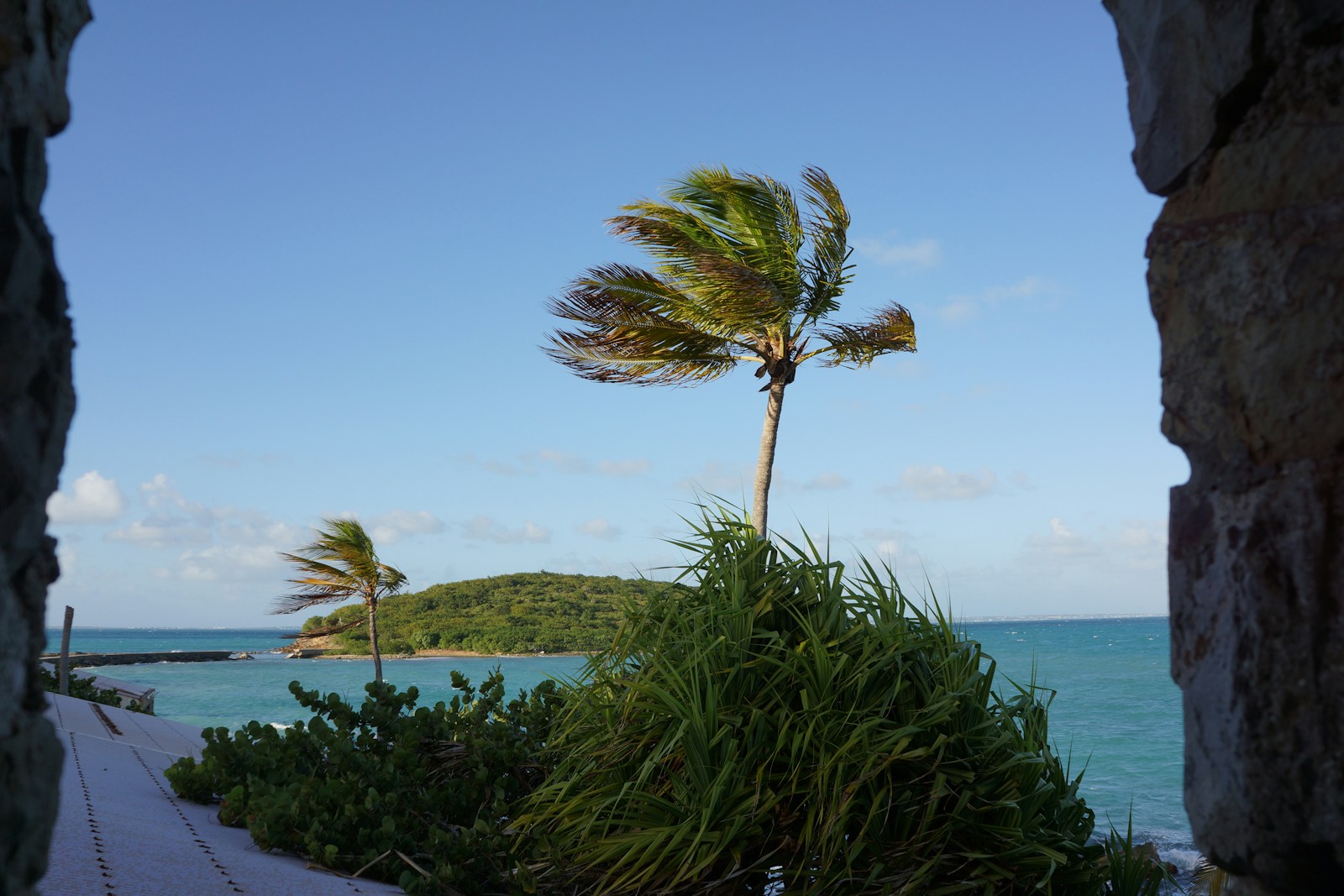 photo credit: unsplash
The Deals Season Nobody Talks About
Hurricane season has always come with a built-in financial incentive that most travelers eventually discover: it is the cheapest time of year to book a Caribbean trip. Resort rates and airfares both drop during the September-through-November window precisely because demand traditionally falls off, and that gap between perceived risk and actual value appears to be closing fast this year. Chrissy Valdez, Squaremouth’s Senior Director of Operations, put it plainly in the company’s own release: “The value in the Caribbean right now is real, but so is the fact that hurricane season is still active,” according to Squaremouth. That is not a company telling people to abandon caution. It is a company watching its own sales data show that travelers are increasingly willing to weigh a quieter forecast against a much better price and come down on the side of booking.
The Region Itself Backs This Up
This is not just a story about one insurance company’s booking numbers. The Caribbean Tourism Organization’s own year-end data shows the region already absorbed a difficult 2025 without losing visitors overall. International stay-over arrivals grew 2.5% in 2025 to an estimated 35 million visits, about 900,000 more than 2024, and every single month of the year came in above 2019’s pre-pandemic levels, according to Caribbean Tourism Organization data. That held true even with Hurricane Melissa causing real disruption in Jamaica during the year. CTO Secretary-General and CEO Dona Regis-Prosper said the numbers reflect that “Caribbean tourism continues to demonstrate its resilience in the face of evolving global conditions,” per the organization’s own release. The CTO is now projecting another 3-4% increase in stay-over arrivals for 2026.
Why the Math Is Shifting
None of this means hurricane season travel is risk-free, and it isn’t being sold that way by the people closest to the data. Storms can still form quickly and disrupt travel with only days of notice, which is exactly why travel insurance companies are the ones tracking this trend so closely in the first place. What has changed is that travelers now have real forecast data suggesting the odds are more favorable than the old assumption that hurricane season automatically means high risk, paired with a savings incentive large enough to make the trade-off worth it for a lot of people. A below-normal season on paper does not guarantee a storm-free trip, but it does shift the probability enough that more travelers are deciding the gamble is a reasonable one.
It also helps that hurricane forecasting itself has gotten sharper. Travelers booking a September trip today are not relying on the same vague seasonal warnings that shaped Caribbean travel advice a decade ago. NOAA updates its outlook mid-season, and the agency’s own data gives specific ranges rather than a blanket caution, which lets travelers and their insurers weigh actual probability against a specific trip window instead of avoiding four full months on principle. That shift, from a general warning to an actual number, is a big part of why the old advice is losing its grip.
The Bottom Line
The old advice to avoid the Caribbean between June and November is running into a forecast that no longer fully supports it and a price gap that keeps getting harder to ignore. Travelers are not abandoning caution. They are recalculating it, using better data than the blanket warnings the region has carried for decades, and booking accordingly.