If you’ve ever converted a garage, finished a basement, or built a small addition just so a parent or a grown child could move in, you’re part of one of the fastest-shifting corners of the housing market. In the months after the pandemic began, the share of home buyers purchasing a house meant to hold more than one generation jumped to 15 percent, up from 11 percent before it started — and unlike a lot of pandemic-era habits, this one never really faded.
The Buyers Are Already Here
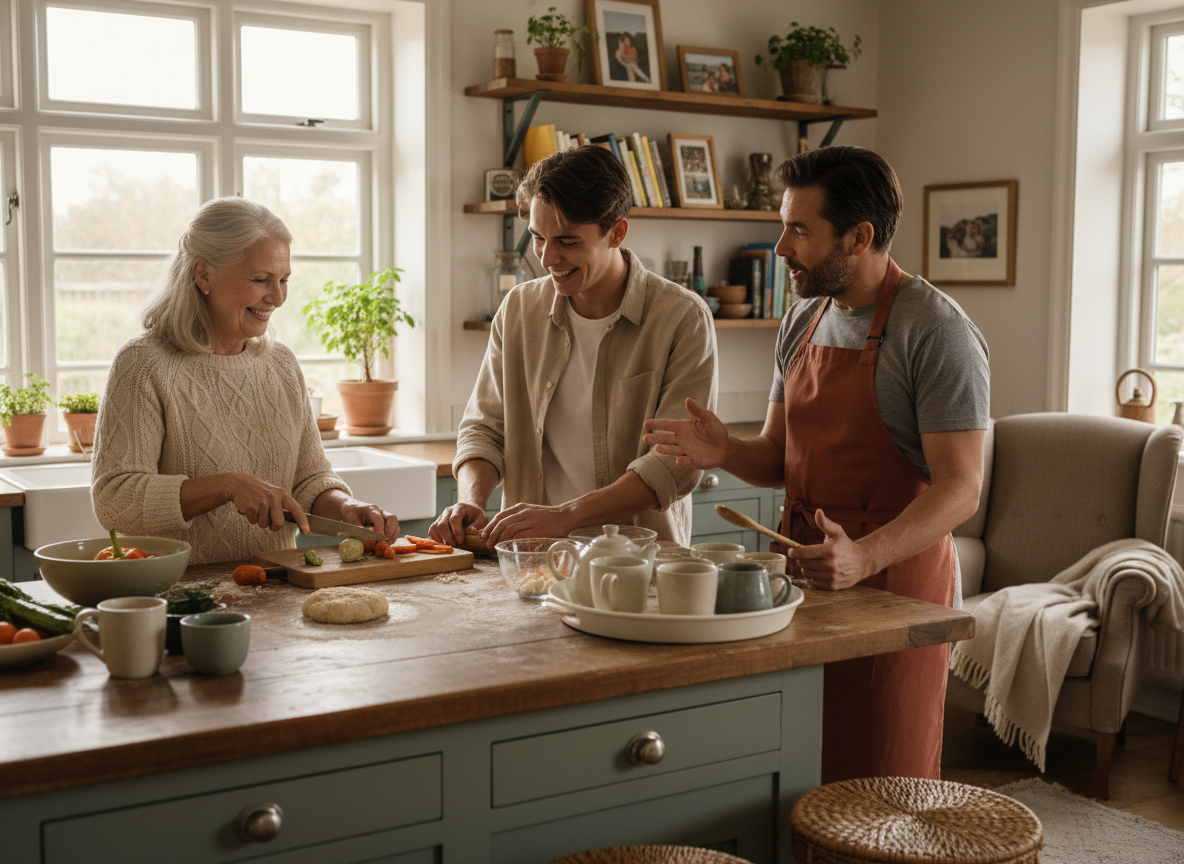
That four-point jump came straight from the National Association of Realtors’ own Profile of Home Buyers and Sellers, and the households behind it weren’t a single, tidy category. Some were young parents bringing in an aging mother or father to help with child care. Others were grown children moving back in with their own parents to save for a down payment. What tied them together was a search for square footage that could stretch to fit more than one adult generation at once. “Buyers sought housing with more rooms, more square footage and more yard space,” said Dr. Jessica Lautz, NAR’s vice president of demographics and behavioral insights, in the association’s release on the findings. “They also shopped for larger homes because extra space would allow households to better accommodate older adult relatives or young adults that are now living within the residence.”
Doubling Up Has Become a Long-Term Strategy, Not a Stopgap
Zoom out from the buying data and the same pattern shows up across the whole population. By 2021, 18 percent of Americans — 59.7 million people — were living in a household with two or more adult generations under one roof, according to Pew Research Center’s analysis of census data. That’s roughly four times as many people living this way as in 1971, and the share of the population doing it has more than doubled over the same half-century. Money is the biggest reason: Pew found that half of lower-income adults in these households said the arrangement helps them financially, and roughly a third pointed to caregiving — looking after an aging parent or getting help raising young kids — as a major reason they live together.
The Housing Stock Hasn’t Caught Up
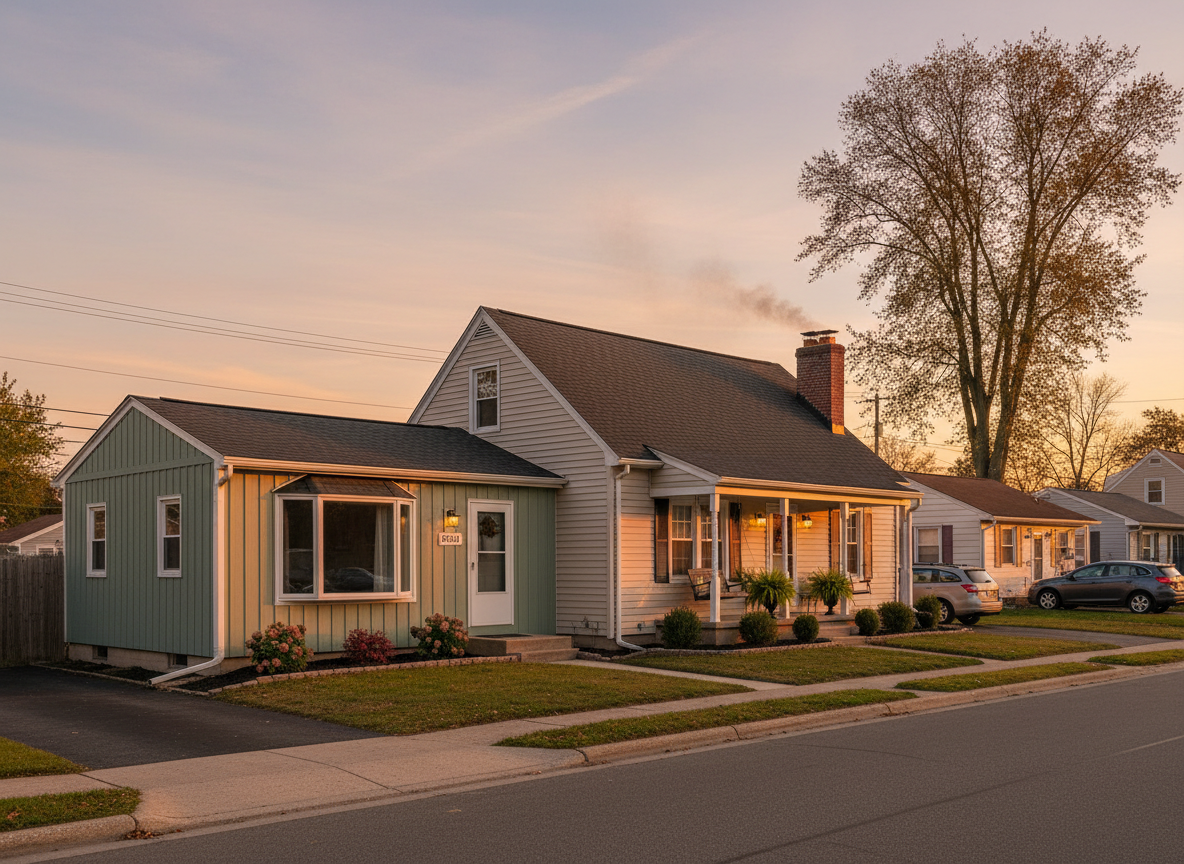
Here’s the mismatch you’re actually up against if you’re one of these buyers: most homes for sale were designed and built for a household that looks nothing like yours. An analysis of census data by the National Association of Home Builders found that multigenerational households now average 5.1 people, compared with 3.1 people in other family households — nearly two more people trying to live, cook, and work inside floor plans that were never sized for them. That squeeze shows up in what buyers end up paying. The median home value among recent multigenerational buyers hit $400,000 in 2022, up from $165,000 a decade earlier, and now runs roughly $20,000 higher than what other family buyers paid for a home the same year. Homeownership among multigenerational households climbed from 69.3 percent to 74.2 percent over that same decade — a faster rise than other family households saw — even as those buyers paid a premium simply to find enough separate space to make the arrangement livable.
What the Numbers Mean for You
None of this is a fringe trend you can wait out until the market goes back to “normal.” If you’re weighing whether to buy a house with room for your parents, thinking about an addition so your adult child can move back in for a while, or just trying to figure out why the three-bedroom house down the street sold for more than the listing suggested it should, you’re looking at the same underlying math. A growing share of American households need square footage built for multiple generations, and most of the existing housing stock — designed decade after decade around a single small nuclear family — was never built to offer it. The buyers who go in with a clear sense of what their household actually needs, and who are willing to look at homes with a finished basement, a separate entrance, or room to add one, are the ones most likely to find a fit before the rest of the market catches up to what families like yours have already figured out.