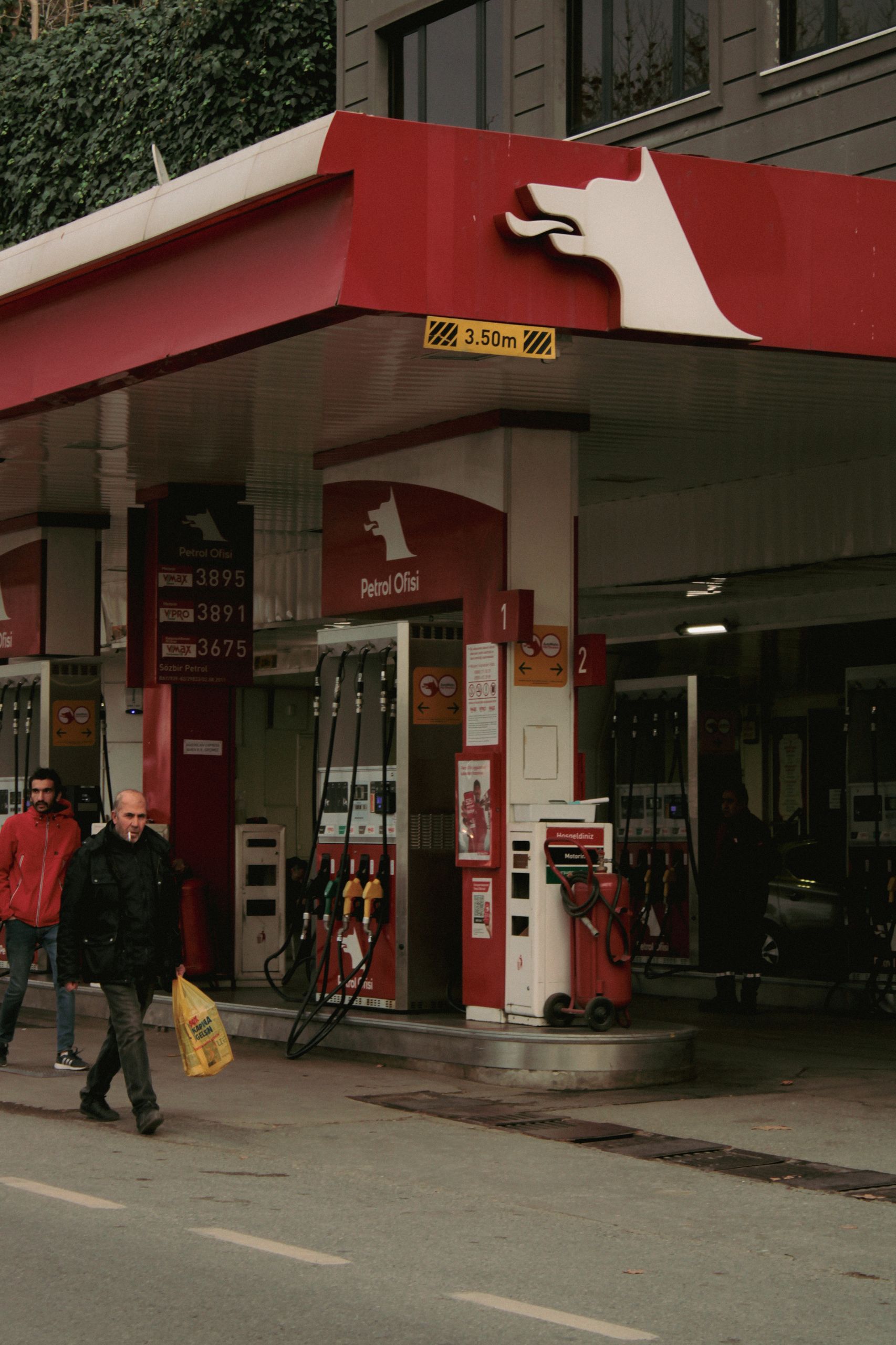
Gas prices topped $4 a gallon on Labor Day for the first time ever this year, and drivers who assumed the usual late-summer dip would finally arrive got the opposite instead. The national average climbed to $4.1436 a gallon on September 3, 2026, according to AAA’s own gas price newsroom data, up sharply from $3.1903 a year earlier. That is not a seasonal blip. It shattered the previous Labor Day record of $3.82 a gallon, set back in September 2012. For a holiday built around road trips, the timing could not have landed worse.
Why Prices Spiked Instead of Falling
Labor Day usually marks the start of a price slide, as refineries shift to cheaper winter-blend fuel and summer travel tapers off. Not this year. AAA’s data points to volatility in the Strait of Hormuz as the trigger, pushing crude oil to roughly $90 a barrel just as families were mapping out holiday getaways. What makes the spike stranger is that demand actually fell over the same stretch, from 9.04 million barrels a day down to 8.92 million, per AAA’s tracking. Prices climbed anyway, because traders were pricing in supply risk out of the Middle East rather than reacting to how much gas Americans were actually pumping. CNBC’s reporting on the spike noted it caught even seasoned road-trippers off guard, since recent Labor Days had trended flat or slightly cheaper.

The pain wasn’t distributed evenly. California drivers paid the most, averaging $5.78 a gallon, while Indiana had the cheapest gas in the country at $3.44, according to AAA’s regional breakdown. Drivers who’d switched to EVs to dodge the swings weren’t fully insulated either — public charging averaged 42 cents per kilowatt-hour nationally over the same period. Local television stations tracking the AAA figures reported similar sticker shock at pumps from New England to the Gulf Coast.
What It Means for Fall Road-Trip Budgets
Fall is peak road-trip season for a reason: foliage drives, harvest festivals, and weekend getaways all cluster into October before winter weather complicates travel plans. A car that averages 25 miles per gallon and covers 300 miles round-trip is now burning close to $50 in fuel alone at the current national average, before food, lodging, or park fees enter the math. Anyone heading out for a fall-color loop or an apple-picking weekend would be smart to build a wider fuel cushion into the trip than in past years, and to check regional price maps before locking in a route, since the gap between the cheapest and priciest states now tops $2 a gallon.
Gas prices rarely stay pinned to a record for long, but nothing in AAA’s data suggests a quick pullback before fall travel season gets fully underway. Drivers planning a foliage trip or a harvest-festival weekend this year should treat this Labor Day spike as the new starting point for their budget, not a fluke to wait out.