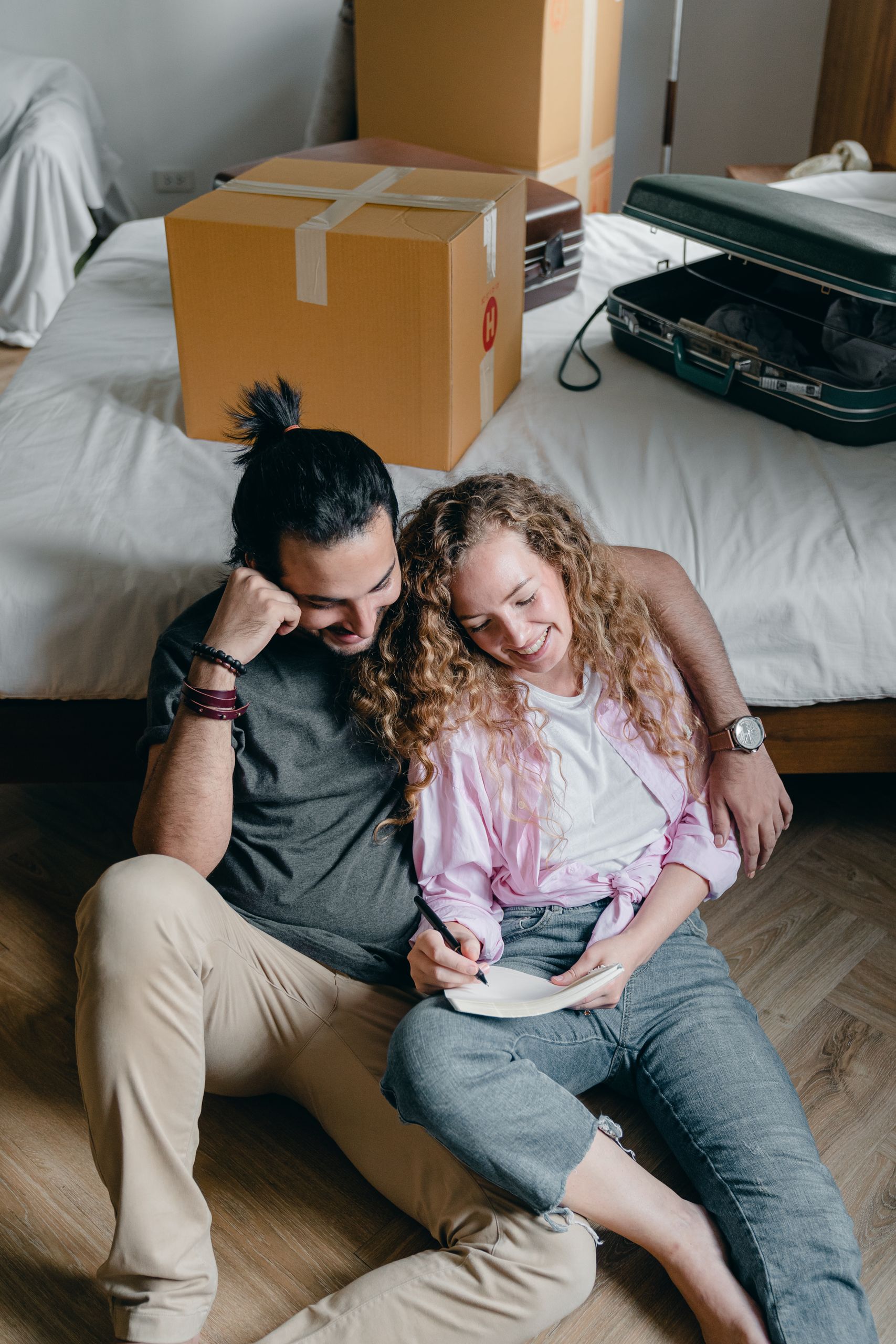
Eleven percent of every home sold in the United States right now goes to a couple who hasn’t gotten married, according to a Wall Street Journal analysis of Census Bureau data. The number of unmarried couples buying homes together climbed to 555,000 in a single year, a 46 percent jump from the 381,000 who did the same a decade earlier, and the National Association of Realtors says unmarried couples’ homeownership rate now runs three times what it did in the 1980s. Wedding rings used to come first. For a growing share of couples, closing costs do.

The Math Behind the Shift
Part of the story is simple timing. The average age at which Americans buy their first home has climbed to 38, up from 31 in 2014, per Census and NAR figures, while the average age at first marriage has also drifted later. Those two lines used to run close together. Now there’s a gap of several years in the middle where couples are building a life, a paycheck, and sometimes a mortgage, well before they book a venue. Waiting for a wedding to justify a joint purchase increasingly means waiting to build equity at all, and plenty of couples aren’t willing to sit on the sidelines of a market where prices rarely move backward.
Why the Ring Isn’t the Prerequisite Anymore
Renting together already asks two incomes to cover one household, so for many couples the leap to owning together doesn’t feel like a bigger commitment than the one they already made when they signed a lease. A Census Bureau study on cohabiting partners found this population has grown older, more educated, and higher-earning over the past two decades, which tracks with couples who have the credit and savings to qualify for a mortgage together but haven’t necessarily settled the marriage question. Some are engaged with no date set. Others have decided marriage isn’t part of the plan at all and see no reason a legal document about weddings should gate a decision about real estate.
The Legal Blind Spot Few Couples Plan For
Buying a house with a partner, however, does not come with the same legal scaffolding as buying one with a spouse. A 2024 Zillow report found that 63 percent of home buyers share ownership with at least one other person, but only about half of those co-purchases involve spouses, meaning the rest, romantic partners, friends, and relatives, are relying on whatever agreement they wrote down, if they wrote anything down at all. Real estate attorneys who specialize in jointly owned property, including Underwood Law, point out that unmarried co-owners have no automatic framework for dividing a property if the relationship ends. Instead of the asset-division rules that apply in a divorce, a breakup between unmarried co-owners can trigger a partition lawsuit, an expensive and often adversarial court process to force a sale when two people can no longer agree on what happens to a house they both own.
What Smart Couples Are Doing Differently
Couples who go into a joint purchase clear-eyed tend to do a few things their parents’ generation rarely bothered with. They decide upfront, and in writing, how they’ll hold title, whether that’s joint tenancy with automatic rights of survivorship or tenancy in common with a defined split. They put a cohabitation or co-ownership agreement in place before closing, spelling out who pays what, what happens if one person loses a job, and how they’ll handle a sale if they split up. And they treat the mortgage conversation as its own relationship milestone, one that deserves the same honesty as a conversation about having kids or where to live long-term, rather than an afterthought bolted onto a house tour. None of that requires a wedding. It just requires the two people signing the deed to talk like partners who expect to stay that way, or at least to part ways without a courtroom in between.
The couples driving that 11 percent aren’t skipping commitment. They’re just refusing to let a marriage certificate be the only document that proves it, and the mortgage industry, slowly, is catching up to that reality with lenders and title companies now fielding more joint applications from partners who list the same address but different last names. Whether that trend keeps climbing likely depends less on how couples feel about marriage than on how much longer they’re willing to rent while home prices keep outrunning their paychecks.