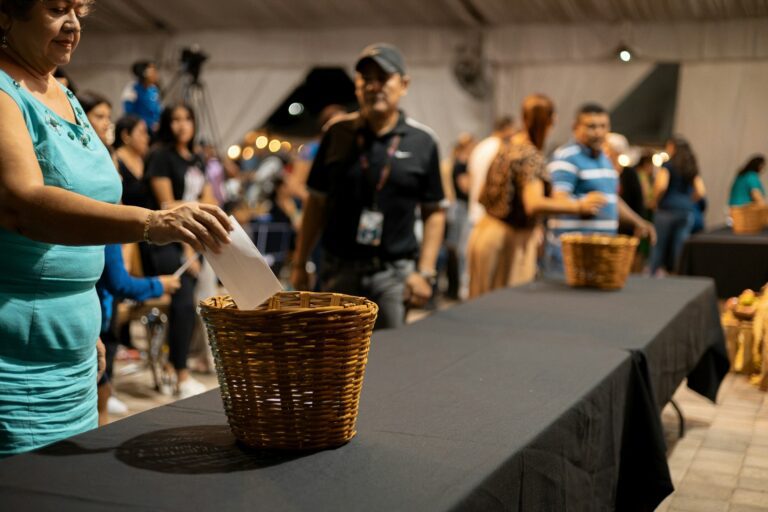
Americans spent $27.5 billion on Valentine’s Day, a record high, according to the National Retail Federation’s annual survey. That figure covers everything from candy and flowers to jewelry, dinner reservations, and greeting cards, and it puts an exact dollar amount on a holiday that supposedly celebrates something money can’t buy.
A Number Big Enough to Notice
$27.5 billion is not a figure most people can picture easily on its own, but it represents a new high for the holiday, surpassing every previous year the NRF has tracked. The survey has followed Valentine’s Day spending annually for years, and the total has climbed steadily as more categories of gift-giving get folded into what the holiday is expected to cover.
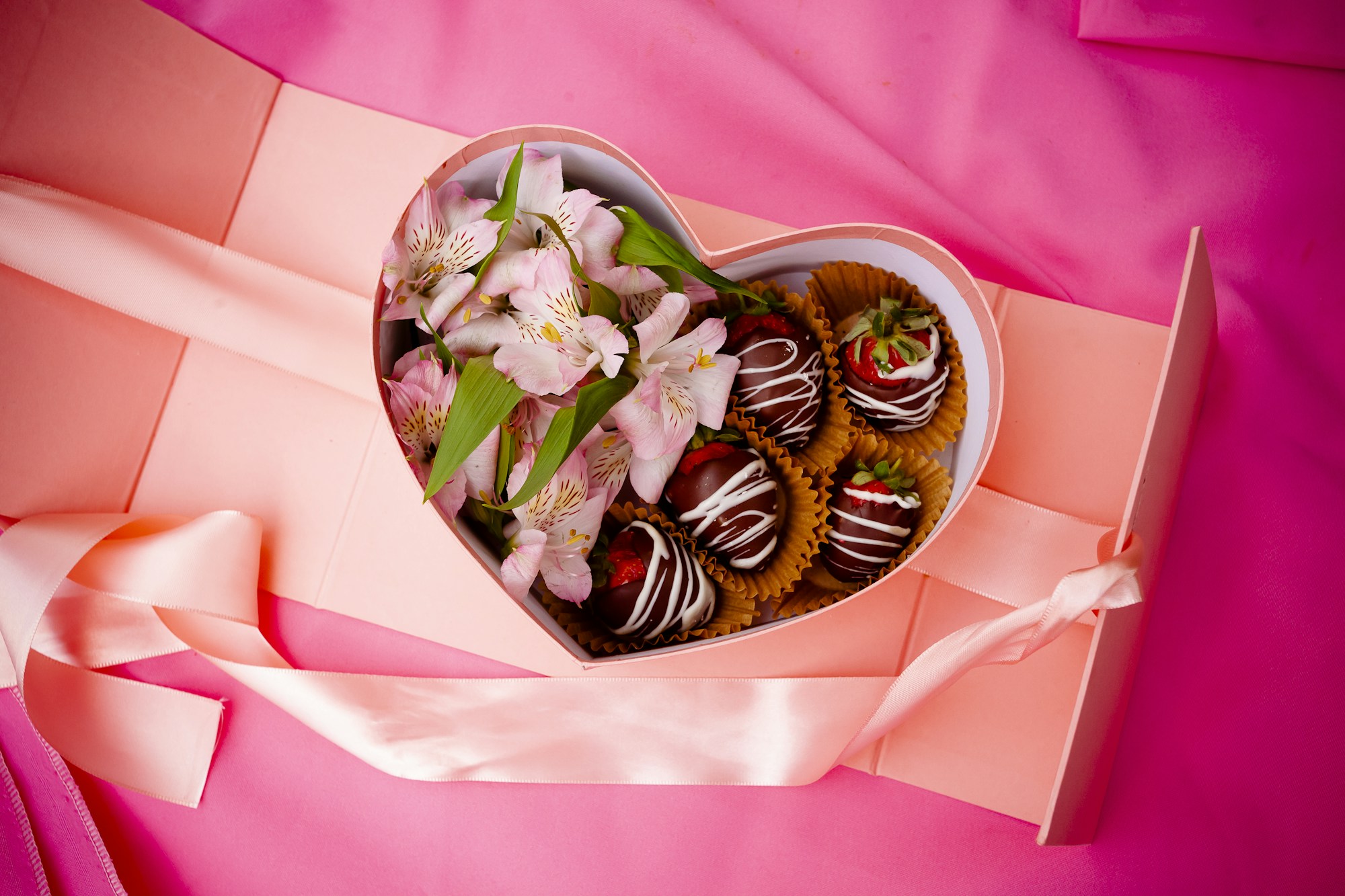
The holiday started, in retail terms, as a relatively narrow occasion built around cards and candy. It has since expanded into something closer to a full spending category, with jewelry, clothing, experiences, and even gifts for pets now routinely showing up in what people report buying.
Where the Money Actually Goes
Jewelry tends to account for the largest single share of that $27.5 billion, driven by a smaller number of shoppers making a much larger individual purchase. Not everyone buys jewelry for Valentine’s Day, but the people who do tend to spend enough to pull the category average well above what flowers or candy contribute on their own.
Dining out is close behind. Restaurant reservations spike hard around February 14th every year, and that single night of prix fixe menus and marked-up wine lists adds up across millions of couples choosing to celebrate over a meal rather than, or in addition to, a gift. Flowers and candy remain the most universal categories, the ones nearly everyone participates in regardless of budget, even if they represent a smaller slice of the total than jewelry or dining.
Greeting cards round out the list, a category that looks small next to jewelry and dining but still represents tens of millions of individual purchases. Clothing, gift cards, and an increasingly popular category of gifts for pets fill in the rest, evidence that the holiday has stretched well past the traditional couple-only frame.
Candy still shows up in more shopping carts than almost any other category, even if the dollar amount attached to it looks modest next to a diamond bracelet or a tasting menu. It remains the entry point for a huge share of Valentine’s Day spending, the low-cost gesture that almost never gets skipped even when a bigger gift is also on the table. That combination, a near-universal small purchase layered under a smaller number of much larger ones, is part of what pushes the total as high as it climbs.
Beyond Romantic Partners
Not all of that $27.5 billion goes toward a spouse or significant other. A meaningful share is spent on family members, close friends, coworkers, and children’s classmates, a shift that retailers have leaned into for years with cards, candy, and small gifts marketed specifically for those relationships. Galentine’s celebrations, classroom valentine exchanges, and gifts for parents or children all draw from the same pool of spending the NRF tracks, which helps explain why the total holds up even among people who aren’t in a romantic relationship at all on February 14th.
That broader definition of who gets a valentine is part of why the spending figure keeps climbing rather than plateauing. A holiday that once centered almost entirely on couples now pulls in spending from people celebrating friendships, family bonds, and even relationships with pets, all of which get counted in the same national total.
What the Spending Says About How People Show Love
The size of the number says something about how deeply commercial expectations have attached themselves to a holiday built around affection. Nobody is required to spend anything on February 14th, and plenty of people mark the day with a homemade card or a quiet dinner at home. But the aggregate spending shows that a large share of the country treats the holiday as an occasion that calls for a tangible gesture, one with a price tag attached, rather than words alone.
That’s not necessarily a cynical read. For many people, buying something is simply how affection gets expressed in a culture built around gift-giving as a love language. A piece of jewelry or a reservation at a hard-to-book restaurant functions as a stand-in for the effort and thought behind it, a physical marker of a moment that might otherwise pass without much notice.
A Record That Keeps Getting Broken
What stands out most about the $27.5 billion figure is how consistently the total keeps setting new highs year over year. Spending on Valentine’s Day has grown even through stretches when household budgets were tightening elsewhere, suggesting the holiday has become one of the spending categories people are least willing to cut. Couples may pull back on discretionary purchases throughout the rest of the year, but the data suggests February 14th tends to stay protected.
Romance may be priceless in theory. In practice, Americans have put a very specific, very large number on it, and that number has only been going up.