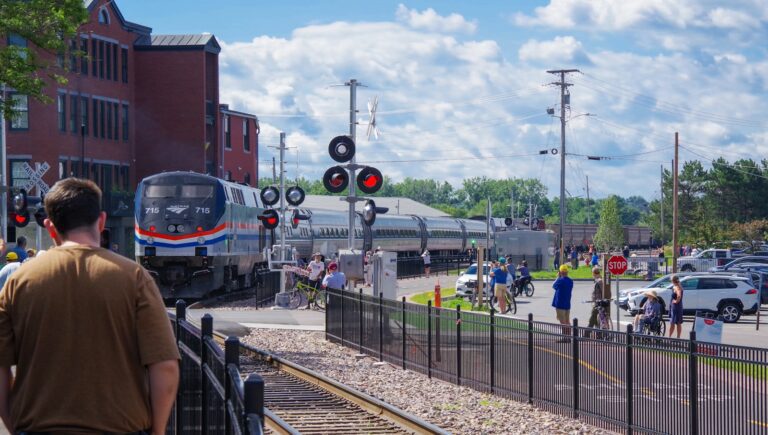
Amtrak carried 34.5 million passengers in the fiscal year that closed this past September, according to the railroad’s own year-end report, a 5.1% jump over the year before and the fourth ridership record the company has posted since 2021. Ticket revenue climbed to $2.7 billion, up more than 10% year over year. For a mode of transportation Americans have spent half a century dismissing as the slow, unreliable also-ran of interstate travel, those figures land like a plot twist nobody scripted. The comeback is happening anyway, and the paperwork proves it.
The reputation train travel has been saddled with in the U.S. didn’t come from nowhere. Interstate highways and cheap domestic flights gutted intercity rail through the back half of the twentieth century, and Amtrak was stitched together in 1971 largely to keep passenger service from disappearing entirely. Decades of underfunded infrastructure, freight-line congestion that delays Amtrak’s own trains, and an aging fleet gave the skepticism real teeth. None of that history is being erased. What’s changed is the demand curve sitting on top of it.
Start with the year before this one. In fiscal 2024, Amtrak logged 32.8 million customer trips, a 15% increase over fiscal 2023 that the company called its largest single-year jump in recent memory. Ticket revenue reached $2.5 billion, and long-distance routes, the trains people picture when they think of a multi-day cross-country trip, carried 4.2 million riders, an 8% gain on their own. Acela ridership on the Northeast Corridor grew more than 9%, while Northeast Regional service climbed 18%. That wasn’t a fluke year buoyed by pent-up post-pandemic travel. Fiscal 2025 built directly on top of it instead of correcting back down.
photo credit: unsplash
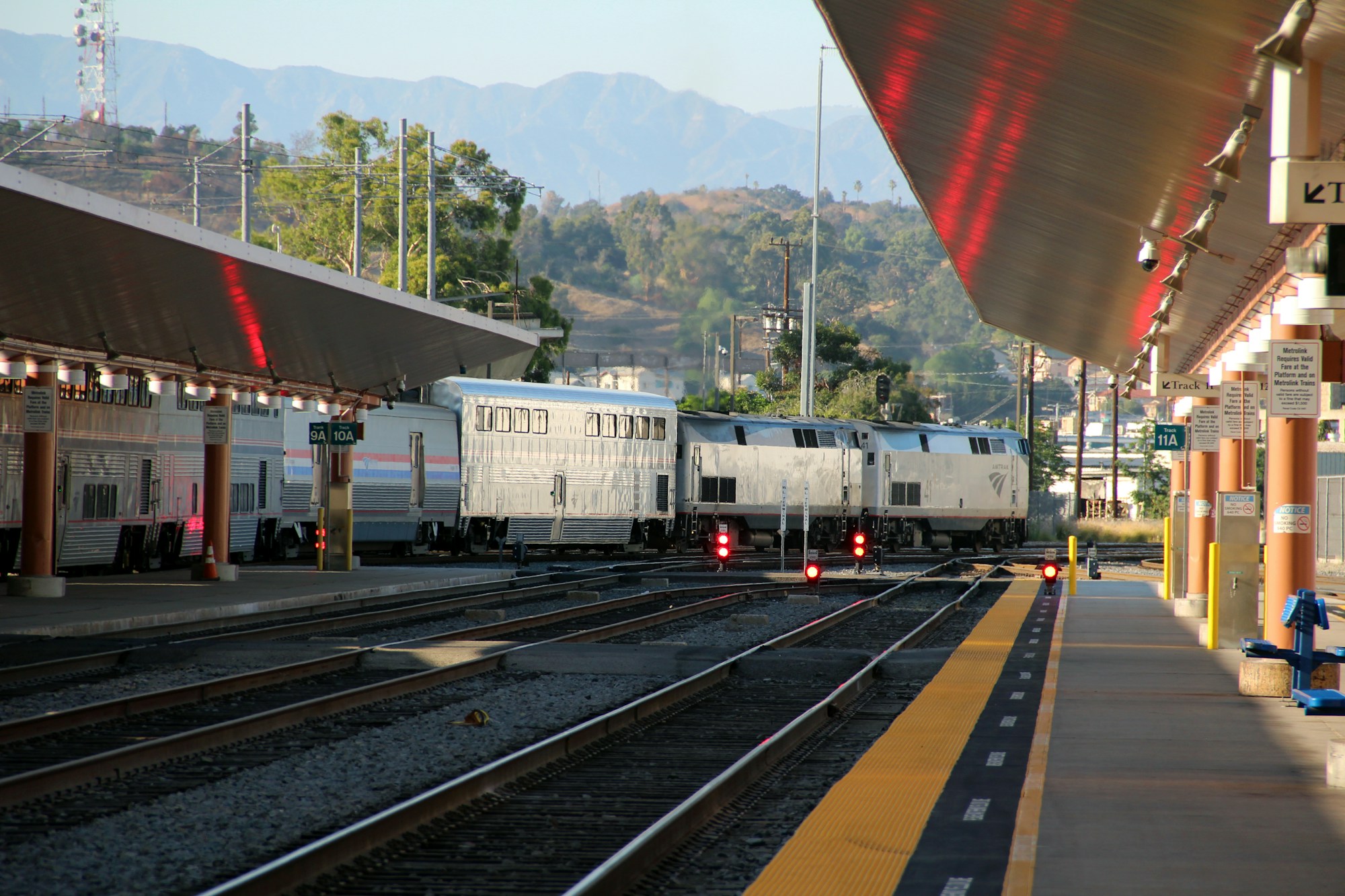
The newer numbers show growth spreading well past the Northeast Corridor that usually gets credit for carrying Amtrak’s ridership. The Borealis route connecting Chicago and the Twin Cities, launched in 2024, drew more than 213,000 riders in its first full year, a 227% surge for that corridor. California’s Capitol Corridor carried 1.13 million passengers, up 10%. Amtrak’s new Mardi Gras service between New Orleans and Mobile pulled in more than 18,000 passengers in its first month alone, and the newly rolled-out NextGen Acela trainsets logged over 60,000 riders in their first month of service. Twenty million people are now enrolled in Amtrak’s Guest Rewards loyalty program, representing more than half of all ridership, a sign the growth isn’t just tourists trying the train once.
Money is following the demand rather than the other way around. Amtrak reported a record $5.5 billion in capital spending for fiscal 2025, a 24% jump from the year before, going toward maintenance, fleet replacement, and accessibility upgrades. The federal government has been putting real dollars behind the same corridors: the U.S. Department of Transportation announced nearly $1.5 billion in additional funding earmarked specifically for upgrading the Northeast Corridor, the busiest passenger rail line in the country. None of that spending shows up instantly as smoother trips, but it’s the kind of capital commitment that doesn’t get made for a mode of transportation regulators expect to keep shrinking.
Why This Isn’t a One-Year Blip
What makes the shift worth paying attention to is the pattern across multiple fiscal years, not a single standout report. Ridership records in 2023, 2024, and 2025 back to back mean this is a trend line, not a rebound bump. Airfare volatility and airport congestion have made a five-hour train through actual scenery look a lot more appealing than a delayed connection through a crowded hub. Younger riders in particular seem to be treating train travel less as a compromise and more as the point of the trip, especially on scenic long-distance routes where the ride itself is the attraction rather than a means to an endpoint.
Amtrak still isn’t profitable, and its own leadership has said operational breakeven isn’t targeted until fiscal 2028. Capacity constraints are real too: network capacity grew just 4.3% even as ridership grew faster, meaning some of the busiest routes are already selling out further in advance than they used to. But the underlying premise that train travel in America is a dying novelty for retirees and rail enthusiasts doesn’t square with four straight years of records. The rails are getting more crowded, not less, and the industry finally has the ridership numbers, and the capital budgets, to prove it isn’t an accident.