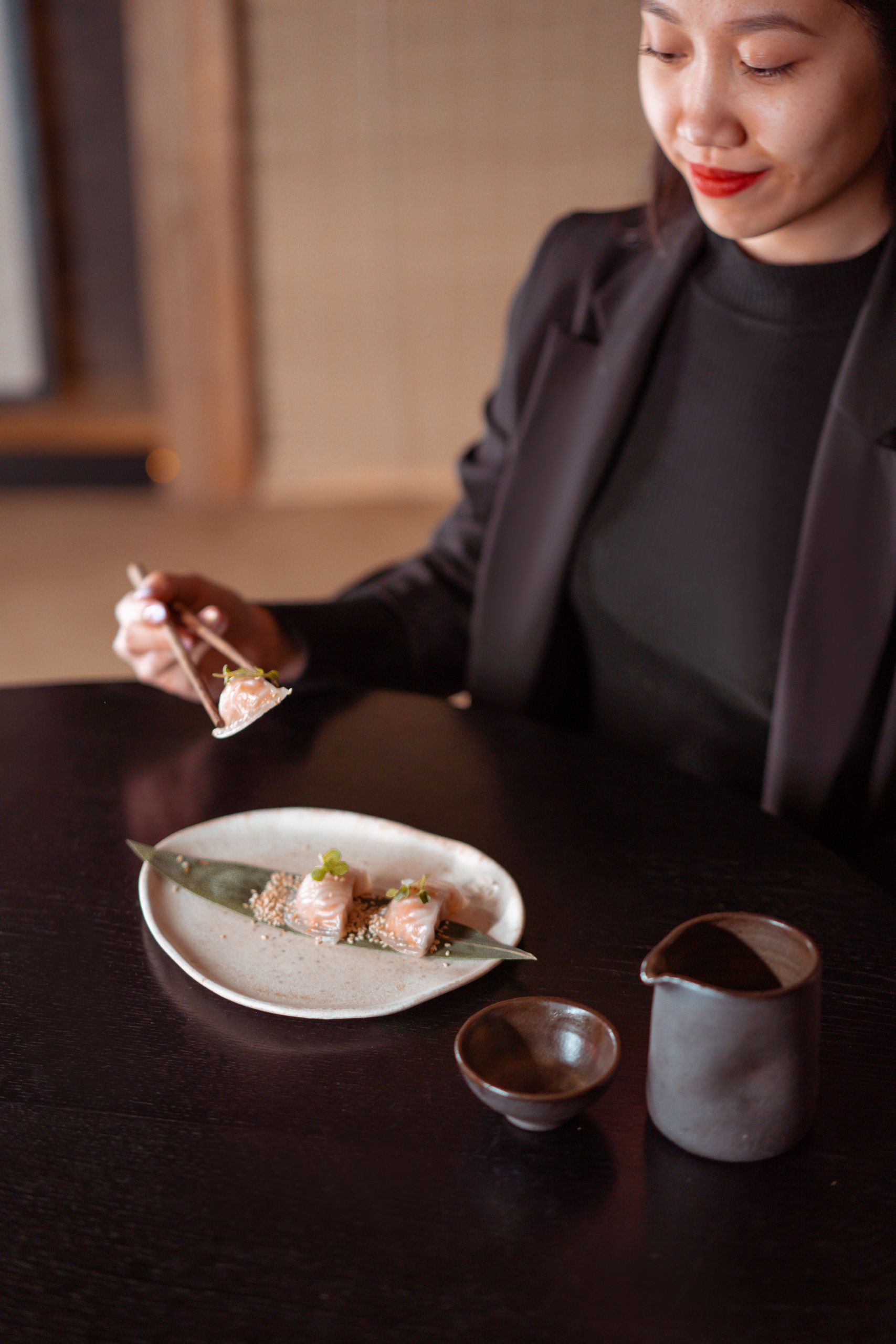
Kura Sushi USA built its national footprint on $3.25 plates gliding past diners on a revolving belt, but its newest limited menu looks nothing like that. Through September 24, the chain is serving flame-seared Alaskan black cod, traditional Edo-style saltwater eel, and a torched miso honey cheesecake, according to the company’s own Kura Reserve announcement.
The plates go well beyond typical conveyor fare. The lineup includes Seared Teriyaki Black Cod, also labeled sablefish, an Edo-Style Anago roll finished with tamago and yuzu pepper, and a Seared Miso Jalapeño Black Cod Roll layered with avocado, cucumber, and pickled carrot, according to RestaurantNews.com’s coverage of the launch. Guests willing to spend more can also add bluefin tuna otoro or Kumamoto Wagyu marbled with garlic chips, items that would look at home on a specialty omakase board.
Newton Hoang, Kura Sushi USA’s vice president of marketing, said in the company’s announcement that black cod and anago are “regarded in traditional Japanese dining for their delicate textures and rich flavors,” and that the September rollout was designed to mark the season with “comforting sushi plates that are accessible and exceptionally delicious.”
Key Points
- The September Kura Reserve menu runs through September 24, 2026, while supplies last, per Kura Sushi’s official newsroom post.
- Standout dishes include Seared Teriyaki Black Cod, Edo-Style Anago saltwater eel, a Seared Miso Honey Cheesecake, bluefin tuna otoro, and Kumamoto Wagyu.
- Kumamoto Wagyu is not available at three locations: Buford, Georgia; Naperville, Illinois; and Sugar Land, Texas.
photo credit: unsplash
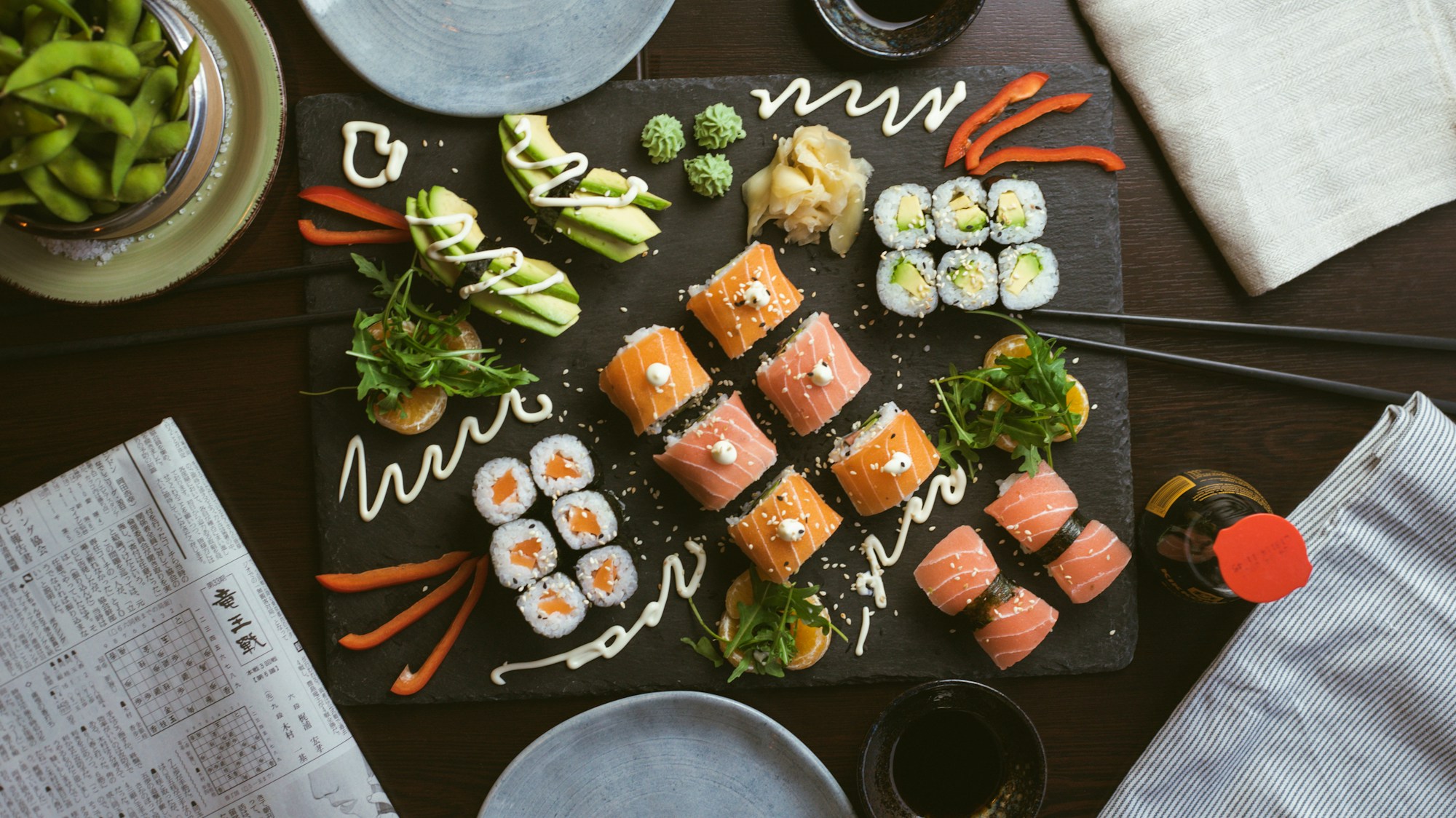
This isn’t a one-off stunt. Kura Reserve has quietly turned into a recurring platform this year, with earlier drops built around a Taste of Japan tasting course in February and a citrus-forward Yuzu menu in July, based on the chain’s own newsroom archive. Each rotation swaps in different premium proteins while leaving the base experience untouched: a rotating belt, per-plate pricing, and touchscreen ordering.
That contrast is really the story here. A menu built around seared black cod and a torched cheesecake sounds like something you’d find at an $80 tasting counter, not a chain where most nigiri still runs a few dollars a plate. Three locations skip the Kumamoto Wagyu option, but the rest of Kura Sushi’s U.S. restaurants get the full lineup while stock lasts, giving regulars an unusually good reason to sit through more than one lap of the belt.
It also signals something about where fast-casual sushi is headed. Kura Sushi has spent years competing on speed and novelty, from its “Bikkura-Pon” gacha game for empty plates to app-based ordering, but this menu leans on ingredient quality instead of gimmicks to pull people in. If the format keeps rotating every couple of months, the belt itself may end up being the least interesting part of a visit.