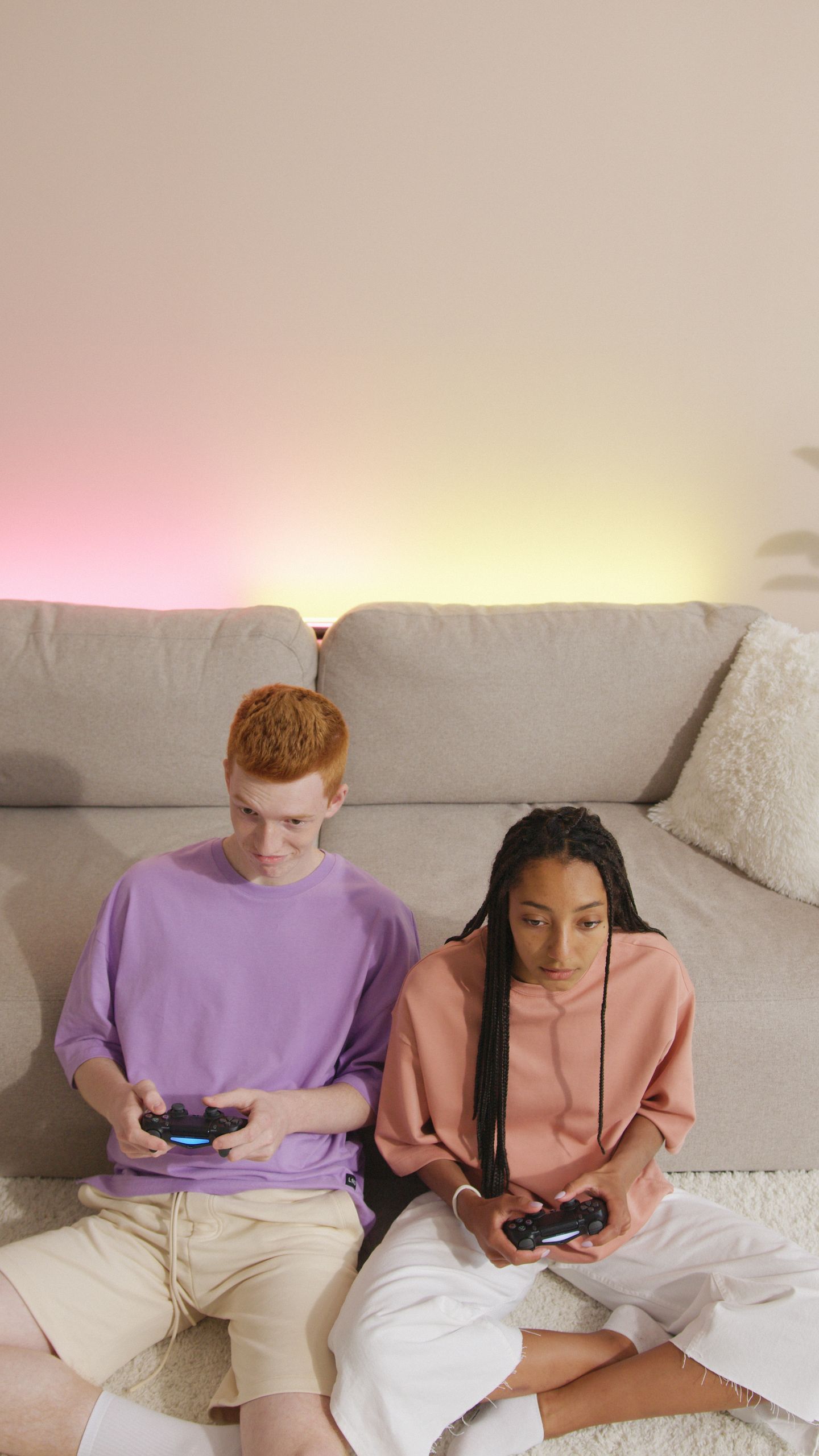
Seventy-six percent of couples who game together said it had a positive effect on their marriage. That finding comes from a Brigham Young University study of 349 couples published in the Journal of Leisure Research, and it sits right next to a much less flattering number from the same research: when only one spouse played, 75 percent of the other partner wished their gamer would put less effort into their guild and more into the marriage. Same hobby, same study, two almost opposite outcomes, depending entirely on whether both people were actually in it together.
That split matters because the cultural story about gaming and relationships has mostly stopped at the bad half. Video games get blamed for stealing evenings, replacing conversation with a headset, and pulling one partner into a screen while the other waits on the couch. The BYU research, led by graduate student Michelle Ahlstrom and recreation management professor Neil Lundberg, backs that story up when the gaming is one-sided. But it also found something the researchers said they weren’t expecting: “We didn’t realize that there was a whole group of couples who game together,” Lundberg said, describing a pattern where shared play looked nothing like the isolating habit gaming usually gets accused of being.
The Difference Isn’t the Hours, It’s the Company
The BYU team was blunt about what actually predicted marital strain, and it wasn’t time on the controller. Couples in the study who argued about gaming or let it disrupt their bedtime routines reported lower satisfaction, regardless of how many hours were logged. Couples who played the same games, at the same time, side by side, largely didn’t have that problem. The mechanism was conflict, not the medium.
photo credit: unsplash
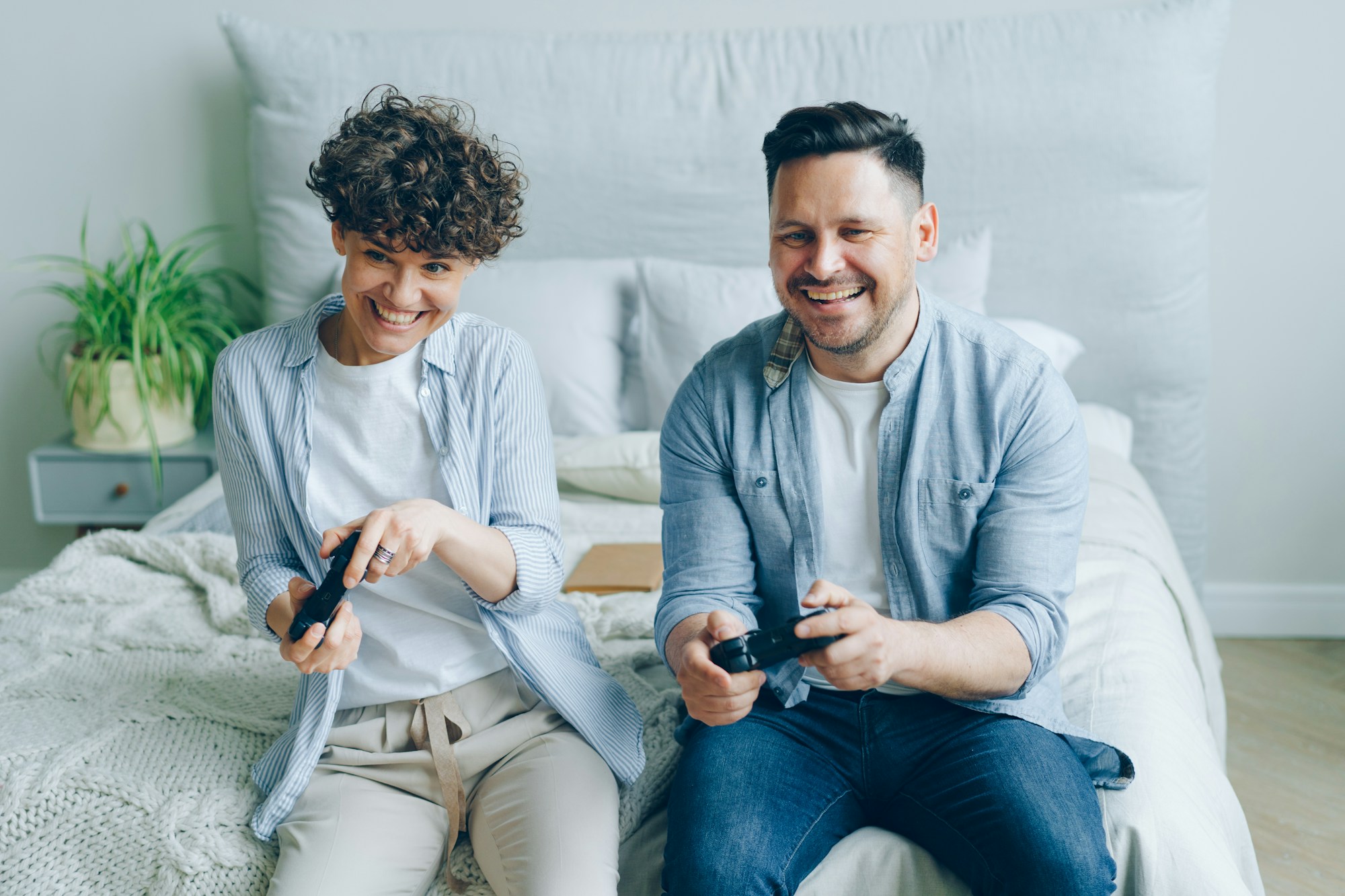
More recent industry data backs up the shared-play half of that finding with harder numbers. A 2026 survey of more than 1,500 couples, conducted by the research firm Antenna Insights on behalf of Logitech G, found that couples who gamed together at least weekly reported roughly double the relationship satisfaction of couples who rarely or never did — a net satisfaction score of positive 47.3 versus positive 24.0. In that same survey, weekly gaming couples logged about 17 hours of shared quality time a week, compared with 13.2 hours for couples who gamed together only occasionally. When asked why it helped, respondents pointed to teamwork (52 percent), stress relief (47 percent), and feeling closer as a couple (46 percent) — not to the games themselves, but to what playing them side by side did for the relationship.
The Entertainment Software Association’s own research points toward similar territory from a wider angle. In its most recent Essential Facts report, the ESA found that half of all players have met a good friend, spouse, or significant other through video games, and that half say games help them stay connected to friends and family. Gaming, in other words, isn’t inherently a wedge between people. For a meaningful share of couples, it’s closer to the opposite — a built-in shared activity that doesn’t require either partner to give up their evening to have it.
None of this erases the real complaints. A partner disappearing into a raid every night while the other one goes to bed alone is a legitimate source of resentment, and the data confirms that resentment is common when only one person is playing. But the fix, according to the research, was never simply less gaming. It was gaming that included both people.
That distinction runs against a lot of the advice couples get about screen time in general, which tends to treat any shared hour spent looking at a device as time lost rather than time spent together. The BYU researchers found the opposite when both partners were engaged: gaming functioned less like a screen habit and more like any other joint hobby, similar to a couple who cooks together or trains for a race together. What made it work wasn’t the content of the activity. It was that neither partner was left outside of it, waiting for the other one to finish.
The Logitech-backed survey adds a practical detail worth noting: couples who game together aren’t just reporting that it feels good in the moment. They’re logging measurably more combined hours together each week than couples who game separately or not at all, which suggests the closeness isn’t just a subjective glow but a byproduct of genuinely spending more time in each other’s company. Seventeen hours a week of shared activity is not a small addition to a relationship’s routine, especially for couples juggling jobs, kids, or long commutes that already eat into the time they’d otherwise have for each other.
Couples who turned a solitary habit into a shared one didn’t just avoid the conflict that comes with feeling shut out. They built something out of it that measurably outperformed couples who never touched a controller together at all, and outperformed, by a wide margin, couples where gaming stayed a one-person activity happening in the same house as a partner who wasn’t invited in.