
Eighty-seven percent of engaged couples now include at least one cash fund on their wedding registry, according to Zola’s 2026 First Look Report, built from the company’s largest survey to date of more than 11,500 couples. A separate 2026 Annual Registry Study from The Knot Worldwide, surveying 1,759 couples with wedding dates between April 2025 and December 2026, found that 75% had added a cash fund to their registry and 41% named cash outright as the gift they wanted most, ahead of anything sitting on a store shelf. A decade ago, asking wedding guests for money outright was still treated as a minor breach of etiquette. Now it’s closer to the default setting.
The reason isn’t that couples suddenly stopped wanting kitchen gear. It’s that most of them are marrying later, moving in together long before the ceremony, and arriving at the altar with a fully stocked apartment already assembled from years of shared grocery runs and Target trips. A china pattern picked out for a formal dinner party neither partner is likely to host doesn’t solve a problem either of them actually has. A down payment does. According to Zola’s report, 38.9% of couples are now registering specifically for home down payments, a category that didn’t meaningfully exist on a traditional bridal registry a generation ago because the registry itself was built around outfitting a household from zero.
The Money Conversation Moved to the Registry
What that shift really reflects is a change in how couples handle money together, not just how they handle gifts. The Knot’s data shows 91% of couples agree that requesting cash is “totally acceptable,” and 27% used a cash fund specifically to help cover the wedding itself in 2026, up sharply from 16% the year before, according to Zola’s tracking. That’s a one-year jump worth sitting with: more than a quarter of couples are now treating their own wedding guests as a funding source for the event they’re standing inside of. That only works, practically or emotionally, between two people who’ve already had the blunter conversations about debt, savings goals, and who’s paying for what. Registries used to be a proxy for taste. Increasingly, they’re a proxy for how transparent a couple already is about money before they ever sign a marriage license.
photo credit: unsplash
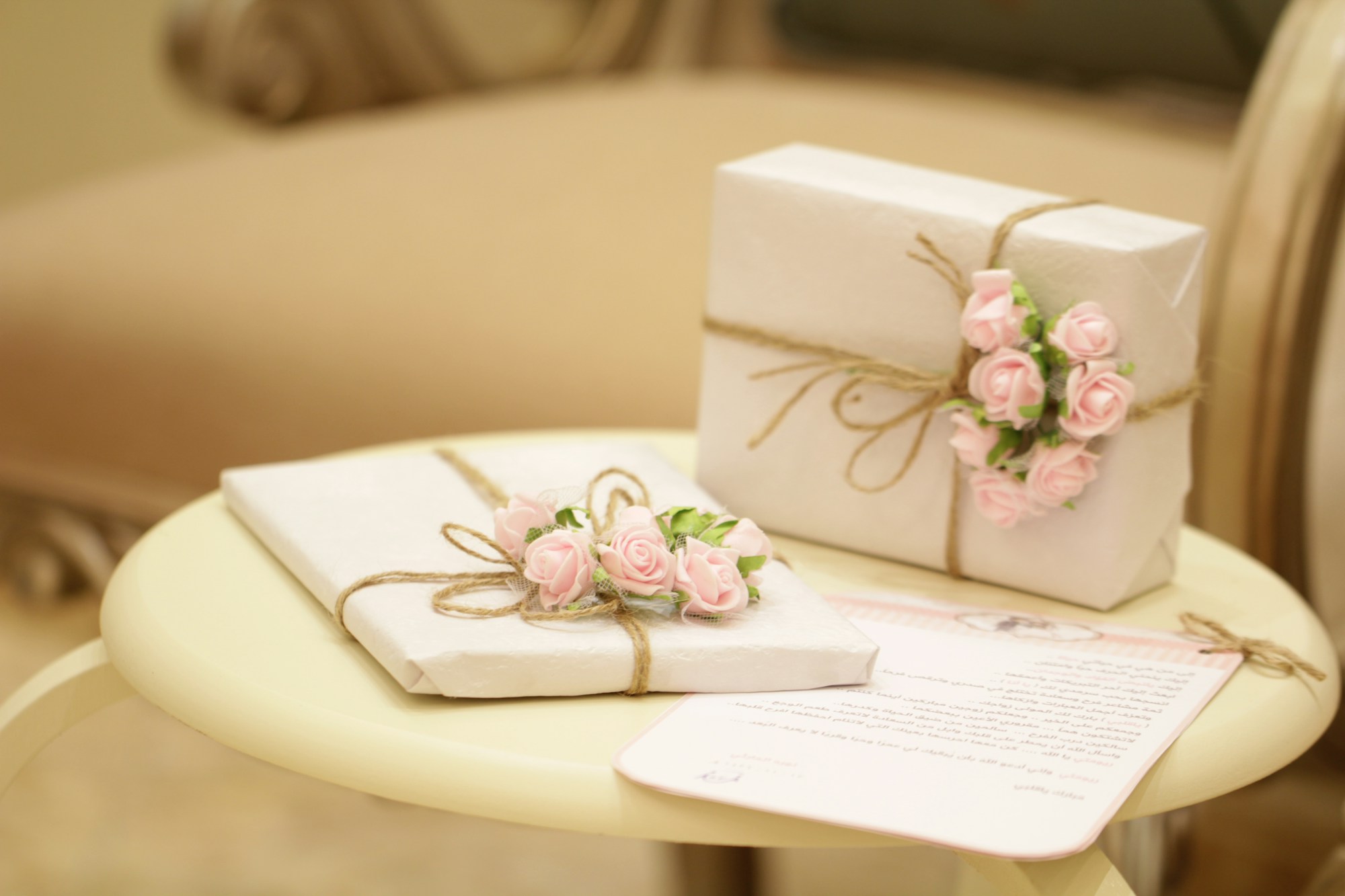
That said, the “dishes are dead” version of this story oversells it. The Knot’s own registry-item data shows bakeware still shows up on 79% of registries, cookware on 75%, bath items on 73%, and bedding on 69%, meaning most couples aren’t deleting the traditional list so much as bolting a cash option onto the front of it. The Knot Worldwide reinforced that hybrid model further by integrating Venmo directly into registry cash funds this year, giving guests who’d normally grab a gift off a list a familiar, one-tap way to send money instead. The infrastructure of the entire industry is being rebuilt around cash as a parallel option, not a replacement, even as more couples treat it as their first choice.
That distinction matters for how you read the trend. Couples aren’t rejecting gifts from people who love them. They’re rejecting the assumption that a stranger’s guess at their taste in dish towels says anything meaningful about the relationship being celebrated. A cash fund earmarked for a mortgage or a honeymoon is, in its own way, a more honest ask: it tells guests exactly what the couple is building toward, instead of making everyone guess at a pattern number. For guests, it can feel less personal. For couples, it often feels like the first real act of financial partnership they get to do in public, with their families watching and, for once, actually contributing to the specific life the two of them are choosing rather than the life a registry assumed they’d want.
The couples driving this shift aren’t more mercenary than the ones before them. They’re getting married older, further into a shared financial life, and less interested in performing a version of domestic setup that doesn’t match how they actually live. A blender still gets bought. It’s just no longer the point.