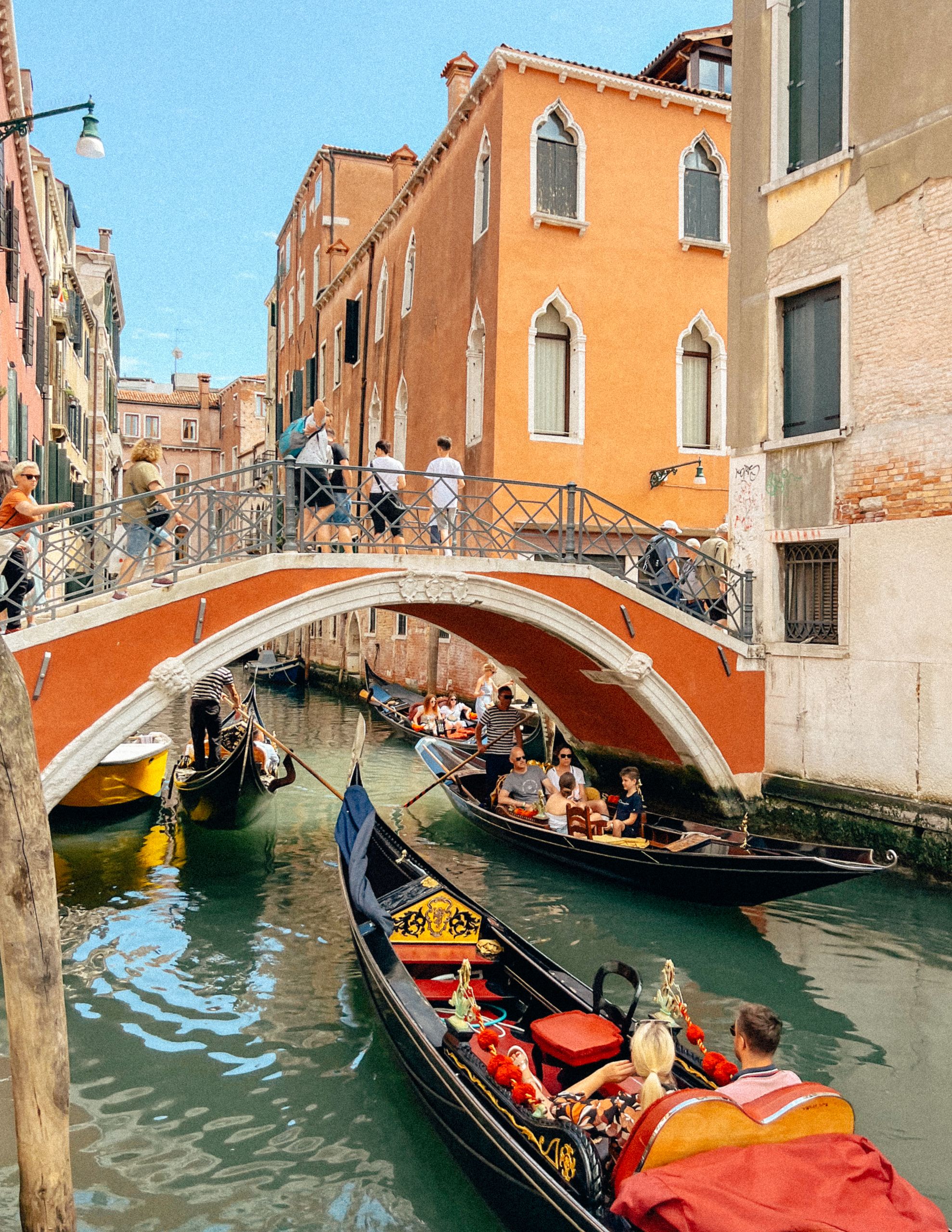
Venice charged visitors nothing just to wander its canals for centuries. Then in 2024 it became the first city on Earth to charge day-trippers a fee simply to enter, a €5 charge that ran for 29 trial days that spring. Two years later, according to the city’s own official access-fee portal, that experiment has grown into a 60-day annual charge running €5 to €10 depending on how far ahead someone books. What looked in 2024 like a one-city stunt aimed at gondola crowds now has real company spread across multiple continents, and the fees keep landing on travelers who never budgeted for them.
Venice’s rule, called the Contributo di Accesso, applies to anyone over 14 entering the historic center on roughly 60 non-consecutive days between April and July, mostly weekends and holidays when day-tripper crowds spike hardest. Residents, students, property owners who already pay local tax, and overnight hotel guests registered on the city’s portal are exempt, meaning the charge is aimed squarely at the cruise-ship and bus-tour crowd who visit for a few hours and leave. The city’s governing council reconfirmed the differentiated pricing in a resolution last November, explicitly framing the cheaper advance-booking rate as a tool to smooth out visitor flow rather than just collect money.
Venice’s motivation was never a mystery. The city’s historic center, home to fewer than 50,000 permanent residents, has absorbed cruise-ship arrivals and day-tripper crowds numbering in the tens of thousands on peak days, wearing down bridges, sidewalks, and the patience of the people who actually live there. City officials had floated some version of an entry fee for years before actually implementing one, and much of the initial coverage treated it as a quirky, faintly desperate move by a sinking city that had simply run out of other options.
Bali adopted its own version the same year Venice’s pilot launched. Since February 14, 2024, every international visitor has owed a one-time levy of IDR 150,000, or roughly $10, collected through the province’s official Love Bali payment portal, which is run directly by the Bali Provincial Government. The money is earmarked for cultural preservation and environmental protection on an island that receives millions more visitors each year than it did a decade ago. Unlike Venice’s fee, Bali’s applies to every arrival, not just day-trippers, and it’s paid before arrival through a QR code scanned at the airport.
photo credit: unsplash
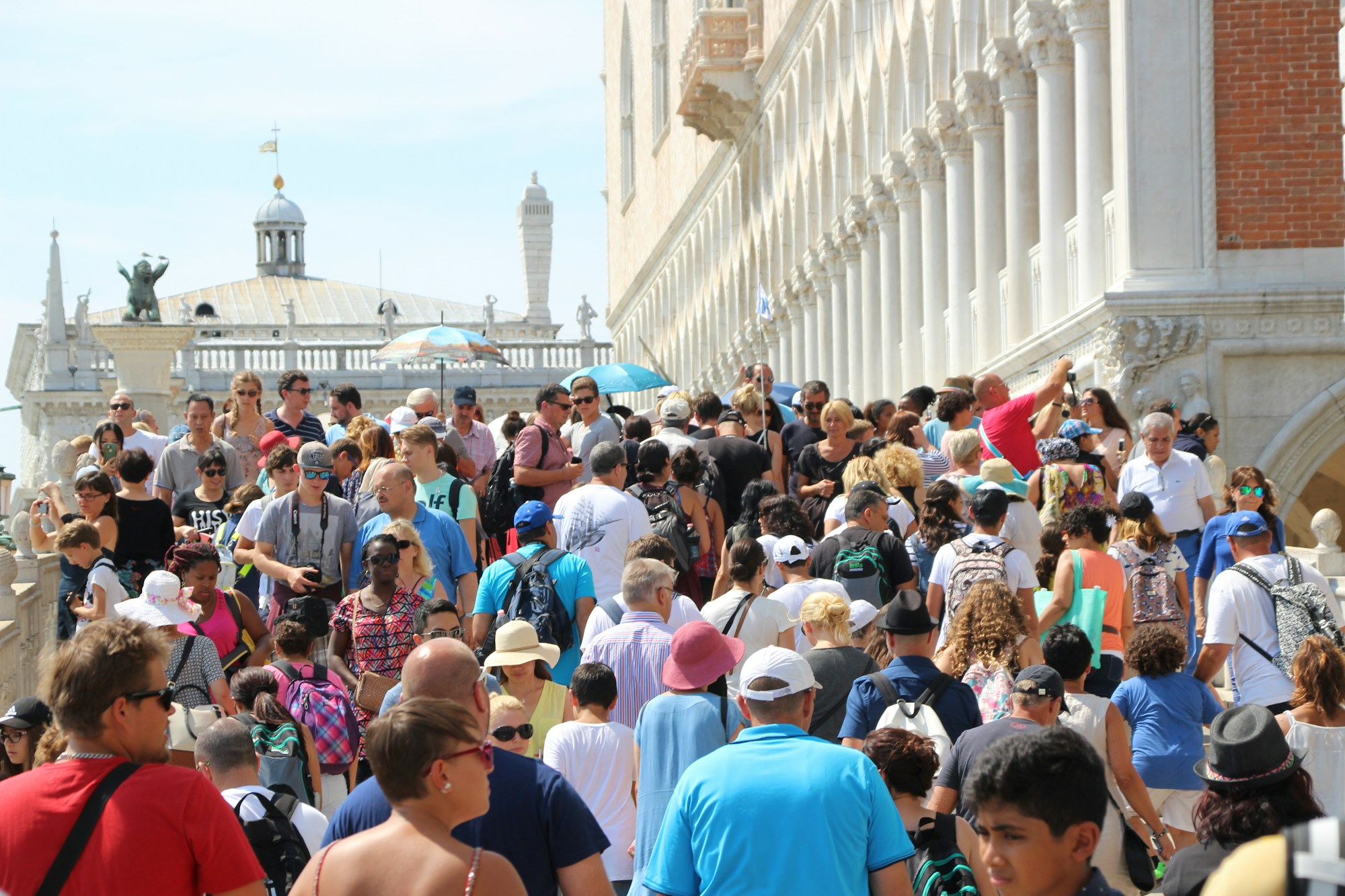
Edinburgh is the newest and, financially, the biggest example. Starting July 24, 2026, the Scottish capital will apply a 5% visitor levy to the cost of paid overnight accommodation, capped at the first five nights of any stay, under a scheme the City of Edinburgh Council projects will raise £45 to £50 million a year by 2028. Under the council’s own investment plan, more than half of that money goes toward city operations and infrastructure, over a third toward culture, heritage, and events, and a dedicated £5 million a year is set aside specifically for housing and tourism mitigation. It’s not a token fee designed to make a symbolic point. It’s a real municipal budget line now.
Why the List Keeps Growing
None of these three cities are copying each other exactly, and each fee is structured around a different problem: Venice managing day-tripper crowding, Bali funding cultural and environmental upkeep, Edinburgh addressing housing and infrastructure strain from tourism. What connects them is a governing logic that’s spreading regardless of the specific mechanism. Local governments facing record visitor numbers and strained public services are running out of patience with the idea that tourism should be free to host. Charging even a small fee, collected at scale across millions of annual arrivals, adds up to real revenue without needing to raise general taxes on residents.
Travelers planning a trip anywhere popular enough to have made headlines for overcrowding should start assuming a fee exists rather than assuming one doesn’t. Venice’s pilot in 2024 was treated at the time as an oddity specific to one overwhelmed lagoon city. It wasn’t. It was an early data point in a policy shift several governments were already quietly considering, and the list of places charging simply to show up is growing faster than most itineraries account for.