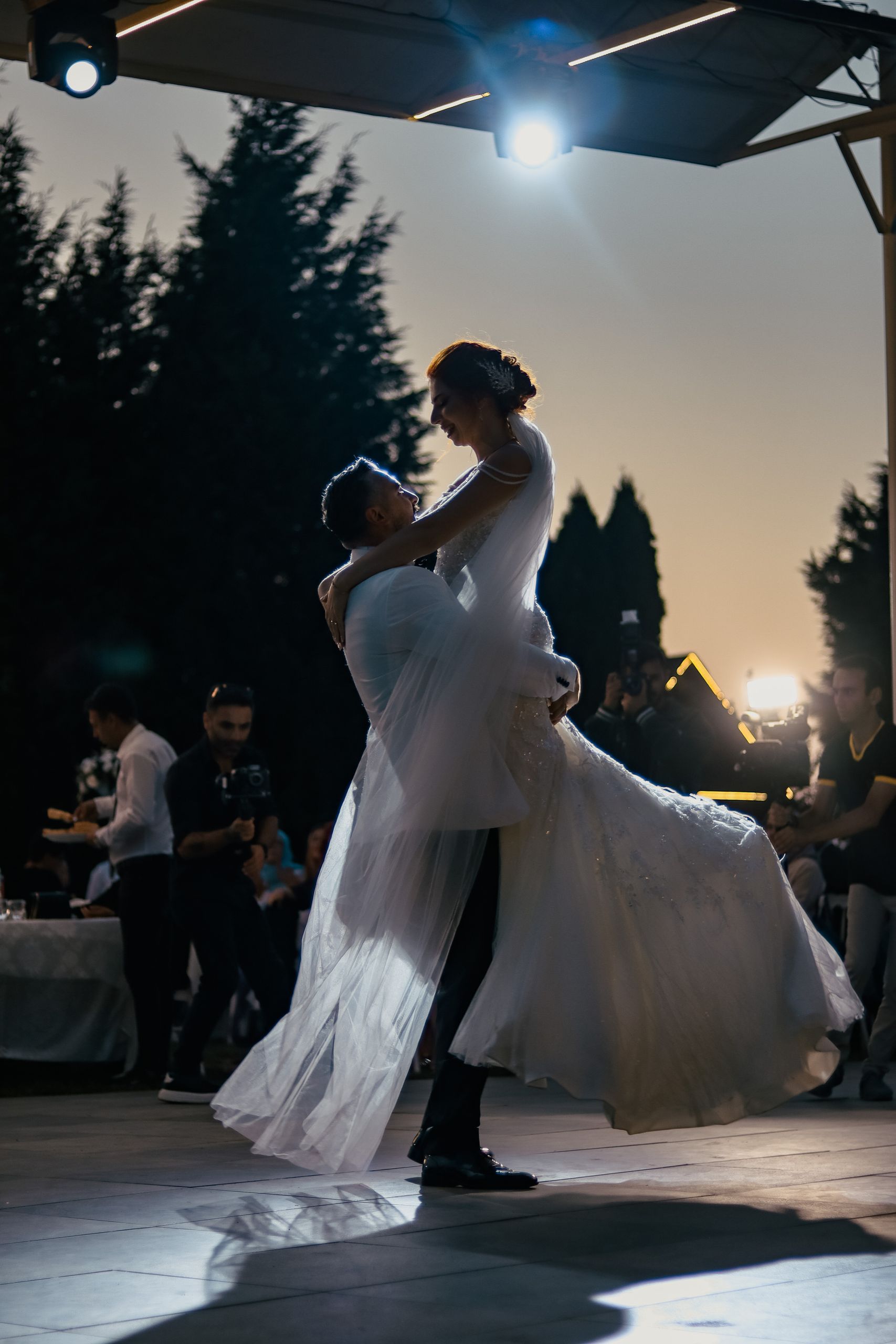
Ed Sheeran’s “Perfect” held the No. 1 spot on The Knot’s first dance song rankings for eight straight years before finally losing it, according to The Knot’s 2025 Real Weddings Study, which surveyed nearly 17,000 couples who married the previous year. For nearly a decade, that single Sheeran ballad was close to a default answer whenever someone asked a newly engaged couple what they’d dance to. This year’s list doesn’t just have a new song at the top. It has a genuinely different sound running through most of it.
Country and folk acts now dominate where pop ballads used to sit almost unopposed. Tyler Childers shows up twice in The Knot’s current top 10, with “All Your’n” and “In Your Love,” alongside Chris Stapleton’s “Joy of My Life” and Dan + Shay’s “From the Ground Up.” That’s four of the ten most-picked songs coming from artists who’d have been unusual choices at a wedding reception a decade ago, when the format leaned almost entirely on radio-friendly pop and R&B. The Knot’s own analysis calls it “a notable departure from previous years’ selections,” and the numbers back that framing up. It isn’t a fringe trend showing up in one or two outlier picks. It’s nearly half the list.
The old guard hasn’t vanished, and it’s worth being honest about that instead of overstating the turnover. Elvis Presley’s 1961 recording of “Can’t Help Falling in Love” actually claimed the No. 1 spot this year, likely helped along by recent biopic releases that put the song back in front of a younger audience. Etta James’s “At Last,” another decades-old standard, also holds a spot in the current top 10. So the shift isn’t a wholesale rejection of anything old or slow. It’s a rejection of the specific handful of 2010s pop ballads, Sheeran’s included, that had quietly become the wedding equivalent of a default ringtone.
photo credit: unsplash
What Was Actually on Repeat
A separate analysis by the bridal brand Grace Loves Lace, which reviewed more than 70 popular first dance playlists totaling over 3,800 unique songs, found that Ed Sheeran’s “Thinking Out Loud” and John Legend’s “All of Me” have each racked up roughly 2.9 billion streams, putting them at the top of aggregate streaming data even as individual annual rankings shift underneath them. Those two songs functioned as the wedding industry’s safe defaults for years, similar in tempo, similar in structure, similar in the specific kind of slow, string-laden sincerity they were built around. When couples say they want to avoid “the same wedding song everyone uses,” those two are usually what they mean.
Not every data source frames the shift the same way. Zola’s 2025 First Look Report, based on a survey of nearly 6,000 couples, found classic recordings still dominating overall and predicted Elvis’s “Can’t Help Falling in Love” would be hard to dethrone, a call that held up once The Knot’s own numbers came in. But the agreement on the top spot masks the more interesting movement happening just beneath it, where a cluster of country and folk songs pushed out the pop ballads that used to fill out the rest of the list. Couples aren’t converging on one new default the way they did with “Perfect” or “Thinking Out Loud.” Below the No. 1 spot, they’re spreading across genres, eras, and moods, which is itself the bigger story hiding underneath any single year’s top 10.
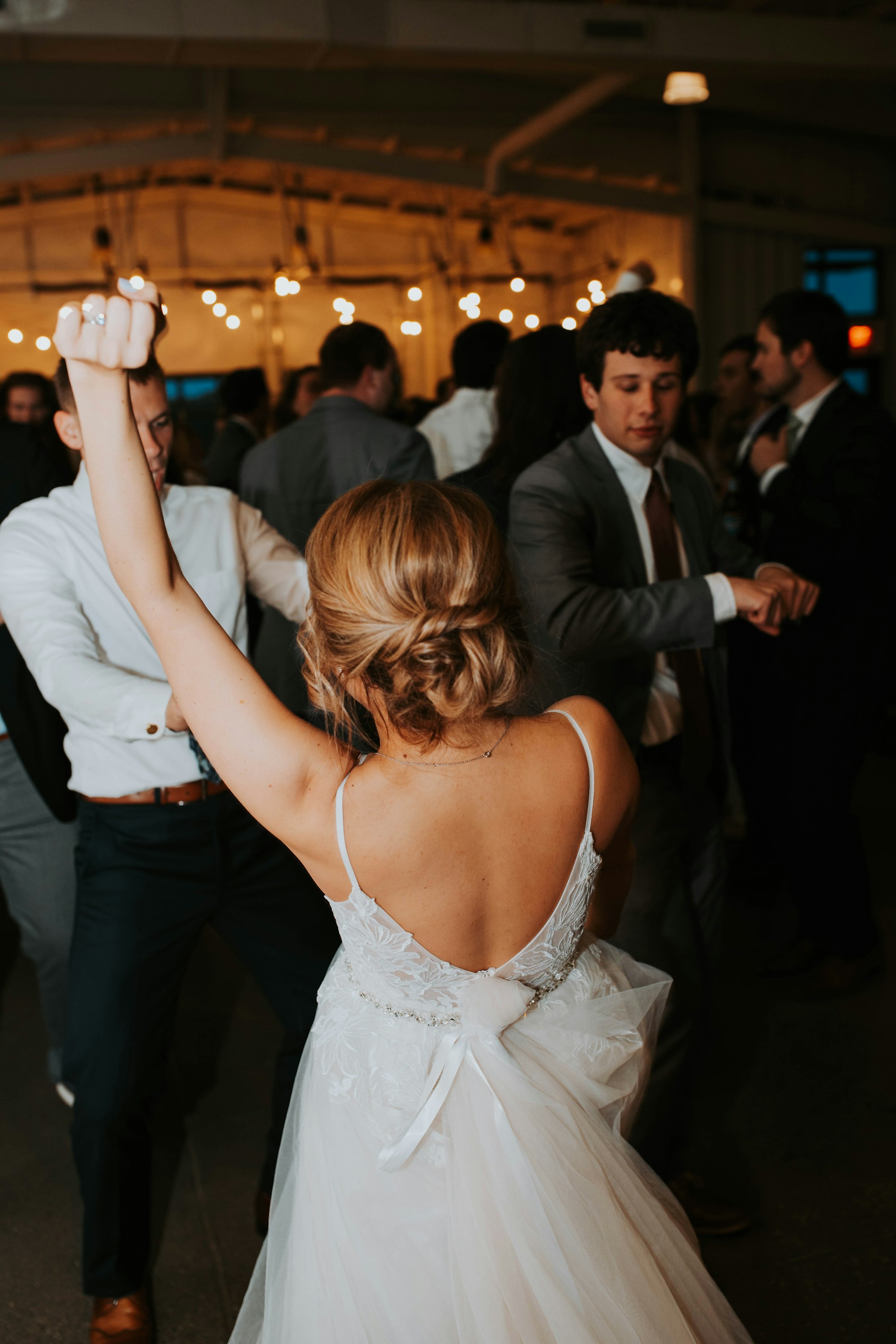
That fragmentation tracks with how couples plan the rest of a wedding now, pulling from streaming playlists and short-form video instead of a wedding planner’s standard binder of “recommended songs.” A couple discovering Tyler Childers through a friend’s Instagram Reel has a completely different reference point than one working from a DJ’s laminated song list from 2015. The first dance used to be one of the most predictable five minutes of a reception. It’s become one of the more personal ones.
What a couple picks for those three or four minutes says something about how they see the relationship itself, not just their taste in music. Choosing the song everyone else is choosing keeps the moment safe and legible to a room full of relatives who expect a certain kind of wedding. Choosing a song specific to an inside joke, a road trip, or a genre one partner introduced the other to turns the same three minutes into a small, public argument for why this particular relationship doesn’t need to look like anyone else’s. Couples who describe wanting to avoid “generic” wedding choices are usually describing a broader instinct: building a partnership around what actually happened between two specific people rather than around a script neither of them wrote. A slow song still works. It just doesn’t have to be the same slow song anymore, and increasingly, couples would rather it wasn’t.