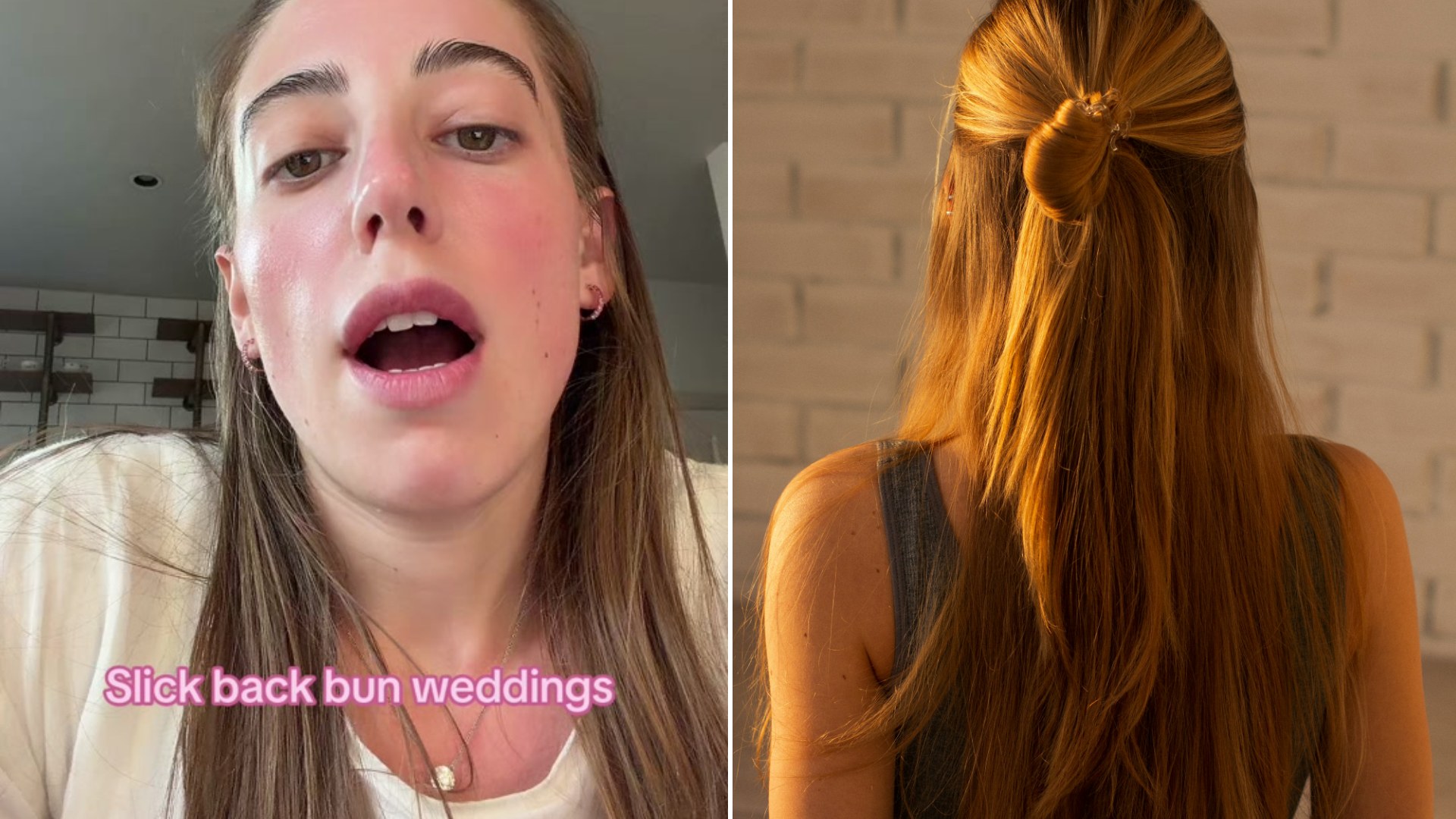
Eli Rallo has built a following on TikTok by narrating the small, specific dilemmas of adult life with the kind of honesty that makes strangers feel like they are texting a friend. So when she posted a video explaining that she had asked one of her bridesmaids not to wear a slick back bun at her wedding, she likely expected the same reaction she usually gets: recognition, maybe a little debate. Instead, the clip set off a wave of criticism that labeled her controlling, and Rallo says it brought messages far uglier than ordinary disagreement.
In her original post, Rallo, who goes by @elirallo, explained the reasoning behind the request in the context of her overall wedding-day vision — a specific hair style she wanted her bridal party to share, with the slick back bun being the one look she asked her bridesmaid to skip. It was framed, in her telling, as one small aesthetic preference among many decisions brides make about hair, makeup and attire for their wedding party, not as a judgment of the bridesmaid herself.
That distinction mattered less than the framing once the clip spread. Commenters seized on the moment as evidence of a controlling bride micromanaging her friends’ appearance, and the discourse split quickly into two camps: those who saw a reasonable request for visual cohesion on a day known for exactly that kind of coordination, and those who saw an overreach into a bridesmaid’s personal styling choices.
Rallo responded directly in a follow-up video, addressing the backlash rather than deleting the original post or going quiet. She said the reaction had moved well past critique of her request into territory she described as genuinely hurtful — messages that, in her account, attacked her character rather than simply disagreeing with a hairstyle guideline. She did not name or single out her bridesmaid in her response, and there is no indication the bridesmaid herself has spoken publicly about the exchange or objected to the request; the conflict that played out was largely between Rallo and her online audience, not between Rallo and her friend.
That distinction is worth sitting with, because it is easy for a viral clip to flatten a private, low-stakes conversation between two friends into a referendum on someone’s entire personality. Asking a bridesmaid to adjust a hairstyle for wedding photos is, by most accounts of wedding planning, a common and unremarkable request — brides regularly coordinate hair, makeup and dress details across their party to achieve a particular look in photographs that will last for decades. What turned Rallo’s version of that request into a flashpoint was less the request itself and more the speed and intensity with which anonymous commenters translated a stylistic ask into a character indictment.
Where the line actually sits on bridal party requests
Rallo’s video landed at a moment when “bridezilla” content performs reliably well online, which may explain part of why it traveled so fast and so uncharitably. But wedding planners who work with brides on bridal party coordination generally describe a wide range of normal requests, and a much narrower band of requests that cross into control:
- Generally accepted as reasonable: requesting a shared color palette for dresses, coordinating a general hairstyle category (up, down, half-up) for a cohesive photo look, or asking the party to avoid a specific accessory that clashes with the day’s aesthetic.
- Where it gets more personal: requests that touch on a bridesmaid’s body, weight, skin tone-specific makeup choices, or hairstyles tied to someone’s natural hair texture or cultural significance — areas planners generally advise brides to leave to each bridesmaid’s discretion.
- The best practice most planners recommend: communicate preferences early, frame them as part of the overall day’s vision rather than a personal critique, and stay open if a bridesmaid pushes back for a reason that matters to her.
There is no indication in what Rallo has shared that her bridesmaid raised any objection along those lines — the request appears, by Rallo’s account, to have been about a specific style choice for photo consistency, not about anyone’s natural hair or personal identity. What her story does illustrate is how differently a private wedding-planning conversation can read once it is stripped of context and served up for public judgment. Rallo has continued posting since the backlash, and her wedding planning content remains a regular feature of her feed — a sign, at least, that she has not let one viral misfire define the run-up to her wedding.
The broader pattern worth naming here is how quickly “wedding content” as a genre tends to reward outrage over nuance. A bride explaining a hairstyle preference is a thirty-second clip with almost no inherent drama, but framed under a title implying control or unreasonableness, it becomes the kind of video an algorithm will happily push to strangers who have no context on the relationship, the planning conversation that preceded it, or whether the bridesmaid in question was ever actually bothered. Wedding planners who have watched this cycle repeat across dozens of similar viral moments often note that the backlash volume rarely correlates with how reasonable or unreasonable the original request actually was — it correlates with how easily the clip can be stripped of context and recast as a referendum on a stranger’s character. Rallo’s bridesmaid, notably, never weighed in publicly at all, which means an entire week of “controlling bride” discourse played out around a disagreement that, as far as the public record shows, only one of the two people involved ever treated as a conflict in the first place.