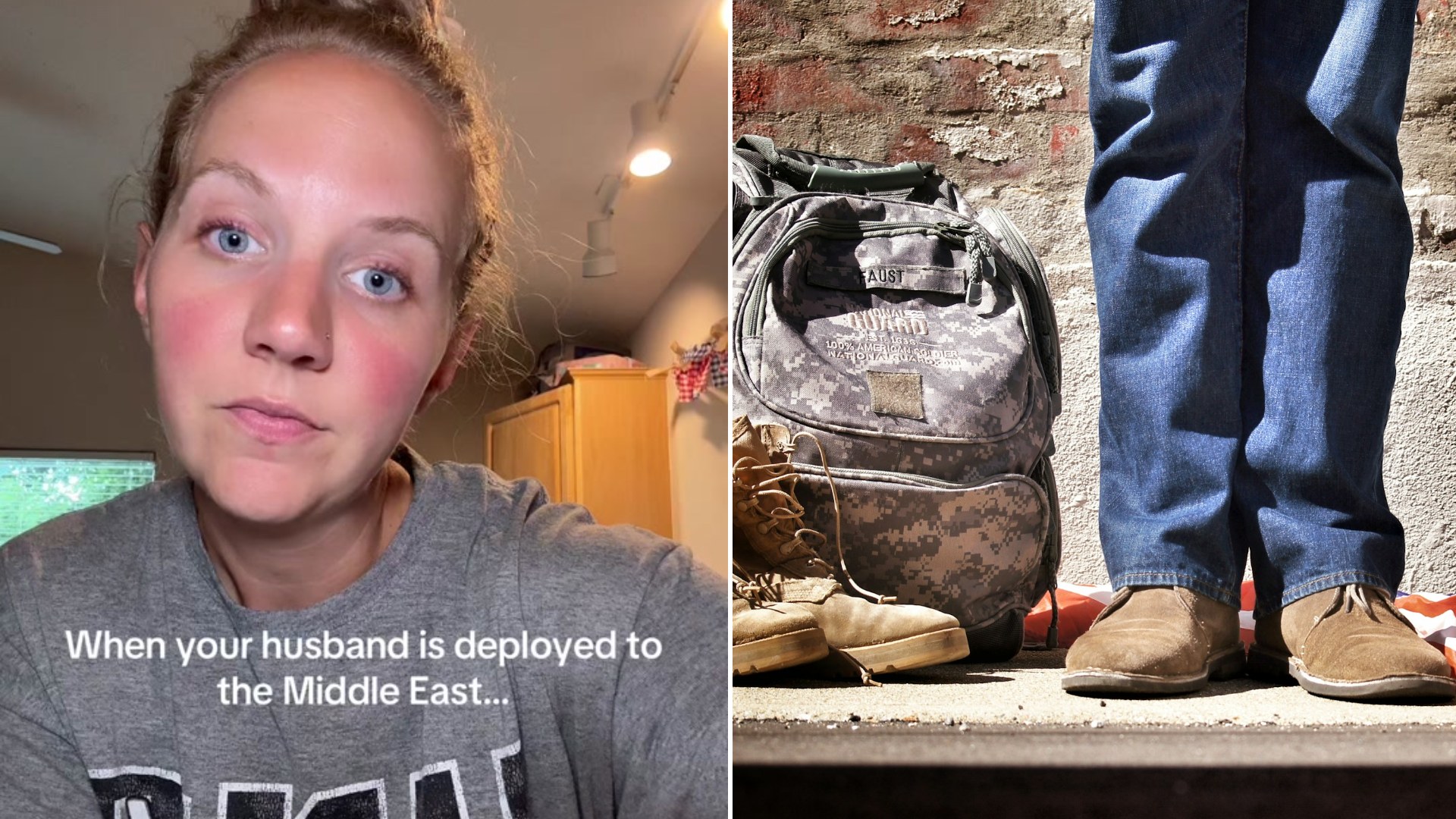
Cassady Yarbrough mentioned, in a video about missing her husband, that he was deployed in the Middle East. That single detail was enough to set off a wave of accusations that she had violated operational security — the military term for information rules meant to keep deployed service members safe. The accusation carried real weight, given what it implied. It also, according to an assessment the Defense Department gave to PEOPLE, was not accurate.
Yarbrough, who posts as @cassadyyarbrough, shared the kind of video that military spouses post regularly: an emotional account of missing a partner stationed far from home. In her post, she referenced her husband’s deployment to the Middle East in general terms, without naming his unit, his base, his specific location, or any details about troop movements or timing.
That did not stop a portion of her comment section from reacting as though she had done exactly that. Commenters accused her of putting deployed troops at risk by publicizing the deployment at all, invoking OPSEC — a term that governs what information about military operations, movements and locations is safe to share publicly. The accusation spread quickly, framed by some critics as a serious breach that could endanger service members.
Yarbrough responded to the backlash by defending her post and pushing back on the idea that she had shared anything sensitive. According to reporting from PEOPLE, the Defense Department reviewed the substance of the concern and told the outlet that Yarbrough’s post did not constitute an OPSEC violation. That assessment matters, because it comes from the institution actually responsible for defining and enforcing operational security rules — not from anonymous commenters applying their own interpretation of a term many of them likely encountered for the first time in the comment section itself.
It is worth explaining, in general terms, what OPSEC actually restricts, without providing any new specifics about Yarbrough’s husband’s deployment. OPSEC concerns are typically triggered by details that could reveal troop locations, movement timing, unit identifiers, mission specifics or security vulnerabilities — information that, pieced together, could put personnel at risk. A general reference to a service member being deployed to a broad region, without operational specifics, is the kind of statement military families have long been permitted to share; military spouses’ support networks, family readiness groups and official Defense Department channels routinely acknowledge deployments in general terms as a matter of course.
The gap between what Yarbrough actually posted and what critics accused her of doing illustrates a recurring problem with OPSEC accusations online: the term gets invoked as a blanket objection to any mention of military deployment at all, regardless of whether real operational details were disclosed. That looseness can be genuinely harmful in the other direction — it can make military spouses afraid to talk publicly about an experience, missing a partner during deployment, that is emotionally real and already isolating, out of fear of being falsely accused of endangering troops for saying something official channels themselves would not flag.
What OPSEC actually covers
For military families navigating what is and is not safe to share, official guidance generally draws a clear line:
- Generally considered safe to share: that a service member is deployed, in broad regional terms, and general emotional experiences of missing them or managing life during a deployment.
- Generally restricted: specific dates and times of troop movements, exact locations or base names tied to current operations, unit designations and mission details, and any information about security procedures or vulnerabilities.
- Who to ask when unsure: military family readiness officers and unit public affairs contacts are the appropriate resource for spouses who want to confirm what is safe to post before sharing, rather than relying on informal warnings from social media commenters.
Yarbrough’s experience is a reminder that the people most qualified to assess an OPSEC concern are trained officials, not viral consensus. The Defense Department’s statement to PEOPLE settled the specific question in her case. What her story leaves behind is a broader case for caution on both sides: real OPSEC rules exist for good reason, and they deserve to be taken seriously — but so does the toll it takes on military families when a well-worn phrase gets weaponized against someone simply for describing what deployment feels like from home.

As a mom of three busy boys, I know how chaotic life can get — but I’ve learned that it’s possible to create a beautiful, cozy home even with kids running around. That’s why I started Cultivated Comfort — to share practical tips, simple systems, and a little encouragement for parents like me who want to make their home feel warm, inviting, and effortlessly stylish. Whether it’s managing toy chaos, streamlining everyday routines, or finding little moments of calm, I’m here to help you simplify your space and create a sense of comfort.
But home is just part of the story. I’m also passionate about seeing the world and creating beautiful meals to share with the people I love. Through Cultivated Comfort, I share my journey of balancing motherhood with building a home that feels rich and peaceful — and finding joy in exploring new places and flavors along the way.