Travel has a way of revealing character faster than almost anything else. You can know someone for years at the office or over dinner and still be blindsided by who they become at hour six of a delayed layover, or day three of sharing one hotel bathroom. It’s not that travel creates bad behavior out of nowhere; it’s that fatigue, unfamiliar surroundings, and constant small decisions strip away the polish people maintain in easier settings.
None of the habits below are unforgivable character flaws. Most are just patterns people haven’t noticed in themselves, because they’ve never had to share a rental car with someone doing the exact same thing back at them. Recognizing them, in yourself or your travel companions, tends to save a trip long before it needs saving.

Building an itinerary with zero room to breathe
Some travelers treat a trip like a checklist to be cleared rather than an experience to be had, scheduling every hour from sunrise to last call and treating any deviation as a failure of the plan. This works fine for someone traveling solo, but it turns companions into hostages to a schedule they never fully agreed to, with no room for the spontaneous meal or the lazy morning that often ends up being the actual highlight of the trip. The frustration compounds because pushing back gets framed as laziness or a lack of enthusiasm, rather than a reasonable preference for a different pace. The travelers people request again are the ones who build in slack on purpose, not the ones who treat leisure like a productivity exercise.
Refusing to compromise on where to eat
Food is one of the most personal parts of travel, and one traveler’s rigid list of must-try restaurants can quietly dominate a whole trip if nobody pushes back. This shows up as vetoing every suggestion that isn’t already on a pre-researched list, or steering the group toward the same style of food meal after meal regardless of what anyone else wants. Good travel companions treat meals as a rotating negotiation, taking turns picking, rather than a contest to be won by whoever cares most. The people who insist on always getting their way at the table tend to get quietly excluded from the next trip’s guest list, often without ever learning why.
Turning every minor inconvenience into a crisis
Delayed flights, lost reservations, and bad weather are simply part of travel, not personal insults engineered by the universe. Travelers who respond to every hiccup with visible frustration, complaints, or a search for someone to blame make the actual problem worse by adding an emotional one on top of the logistical one. It’s exhausting for companions to manage both the situation and someone’s outsized reaction to it, especially when the reaction eats up energy that could go toward actually solving the problem. The travelers people remember fondly are the ones who can laugh at the chaos, or at least function through it, rather than needing to be managed through it themselves.
Being cavalier or stingy about shared costs
Money tension ends more trips early than almost anything else, and it usually comes from one of two directions: someone who spends freely and assumes it will even out later, or someone so focused on splitting every cost precisely that spontaneity becomes impossible. Both versions put a quiet, ongoing strain on the group that rarely gets addressed directly until it boils over near the end of the trip. Agreeing on a rough budget approach before departure, and settling shared costs as you go rather than letting a mental tab build for two weeks, heads off most of this tension before it has a chance to form.
Chronic lateness that costs everyone else
Being fifteen minutes late to dinner at home is a minor inconvenience. Being fifteen minutes late to a scheduled tour, a train, or a reserved time slot on a trip can mean the whole group misses something they planned for months to see. Chronically late travelers tend to underestimate how much their habit costs everyone else, in part because the consequences land on other people rather than themselves. Good travel companions build in buffer time for their own habits, and the ones who consistently don’t tend to find themselves quietly excluded from time-sensitive plans on future trips.
Contributing nothing to the planning
Every group needs at least one person willing to research, book, and organize, but a trip where one person does all of that labor while everyone else simply shows up tends to breed quiet resentment, especially when the non-planners still have plenty of opinions about how things turn out. Showing up with zero input and then complaining about the hotel location or the day’s pacing is a particularly frustrating combination for whoever did the actual work. Even a small contribution, picking one restaurant or booking one activity, signals investment in the trip rather than treating it as a service being provided by someone else.
Narrating the trip more than living it
Documenting a trip is normal and often fun to look back on, but there’s a real difference between taking a few photos and treating every meal, view, and moment as content to be captured before it can be experienced. Companions notice when someone is more focused on the shot than the sunset it’s supposedly capturing, and it changes the pace and mood of shared moments when one person keeps asking everyone to pause, again, for one more take. It’s a small habit that adds up over a trip, and the travelers who put the phone away for the good parts tend to be remembered as better company than the ones chasing the perfect frame.
Letting one bad mood set the tone for the whole day
Everyone gets tired or irritable on a long trip; that’s normal. What’s harder to travel with is someone whose mood becomes the group’s problem to manage, where a single frustration gets carried silently for hours and radiated outward until everyone else is tiptoeing around it. Good travel companions can name what’s bothering them directly, take fifteen minutes if they need it, and rejoin the day without making the rest of the group absorb the fallout. The alternative, a slow-burning sulk that nobody’s allowed to acknowledge, tends to do more damage to a trip than the original inconvenience ever could.
Overpacking or underpacking and expecting others to fix it
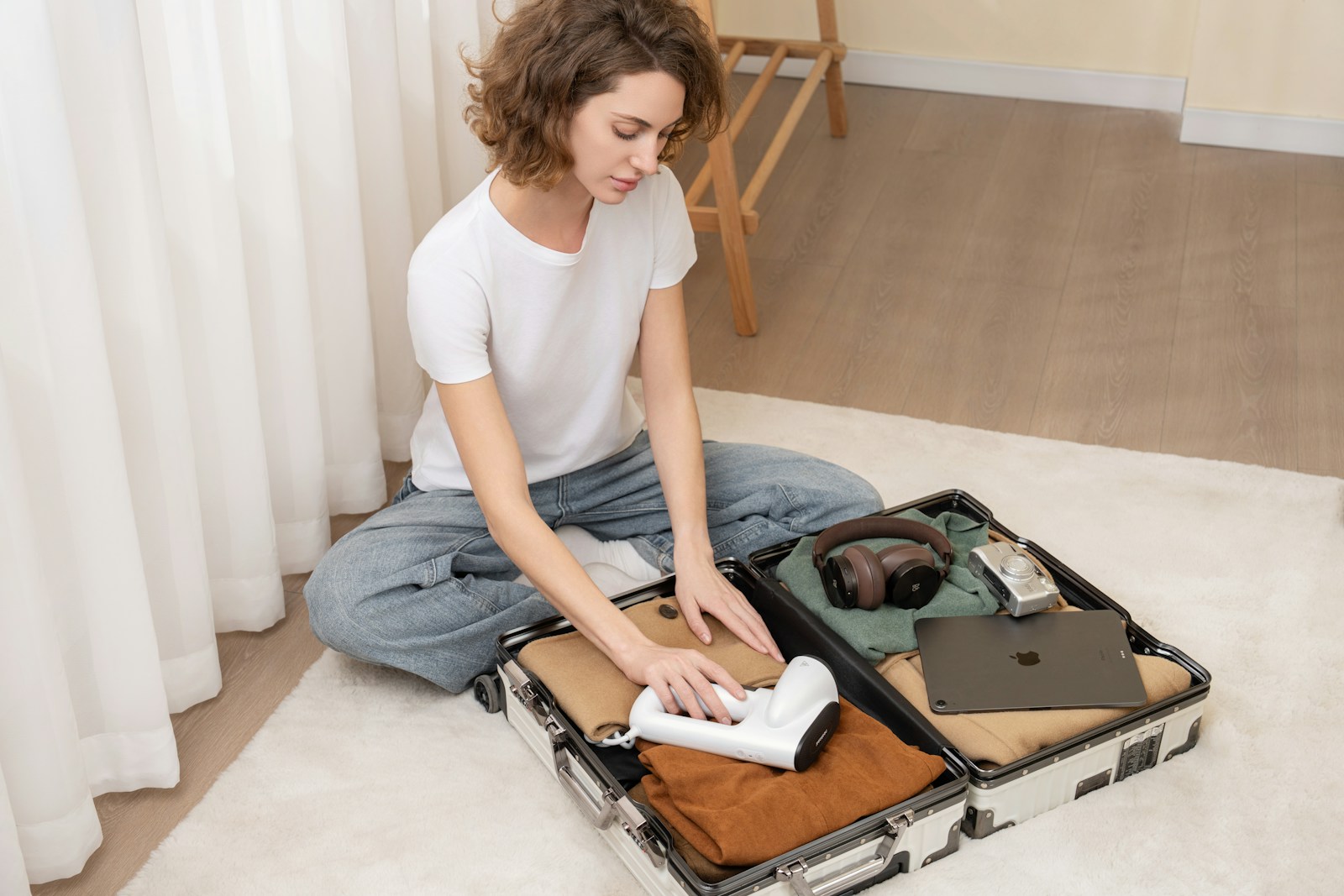
The person who packs one bag too many for a group with limited trunk or overhead space, or the person who packs so lightly they need to borrow a charger, sunscreen, and a jacket from everyone else, both create a low-grade tax on their companions that adds up across a trip. It’s a small thing individually, but it signals a broader pattern of not quite planning for oneself and expecting the group to absorb the gap. Packing appropriately for the actual trip, rather than for either extreme, is one of the easiest ways to be low-maintenance travel company.
Refusing to sit with any discomfort or unfamiliarity
Part of what makes travel worthwhile is stepping outside a familiar routine, and travelers who refuse to eat anything unfamiliar, insist on hotel comforts that match home exactly, or complain persistently about minor cultural differences make that harder for everyone else in the group. It’s fine to have preferences and limits, but a companion who treats every unfamiliar moment as a problem to be solved or avoided tends to drag the whole group’s energy toward managing their comfort rather than experiencing the place. The travelers worth going far with are usually the ones who can find something interesting in the parts that don’t go according to plan.

As a mom of three busy boys, I know how chaotic life can get — but I’ve learned that it’s possible to create a beautiful, cozy home even with kids running around. That’s why I started Cultivated Comfort — to share practical tips, simple systems, and a little encouragement for parents like me who want to make their home feel warm, inviting, and effortlessly stylish. Whether it’s managing toy chaos, streamlining everyday routines, or finding little moments of calm, I’m here to help you simplify your space and create a sense of comfort.
But home is just part of the story. I’m also passionate about seeing the world and creating beautiful meals to share with the people I love. Through Cultivated Comfort, I share my journey of balancing motherhood with building a home that feels rich and peaceful — and finding joy in exploring new places and flavors along the way.