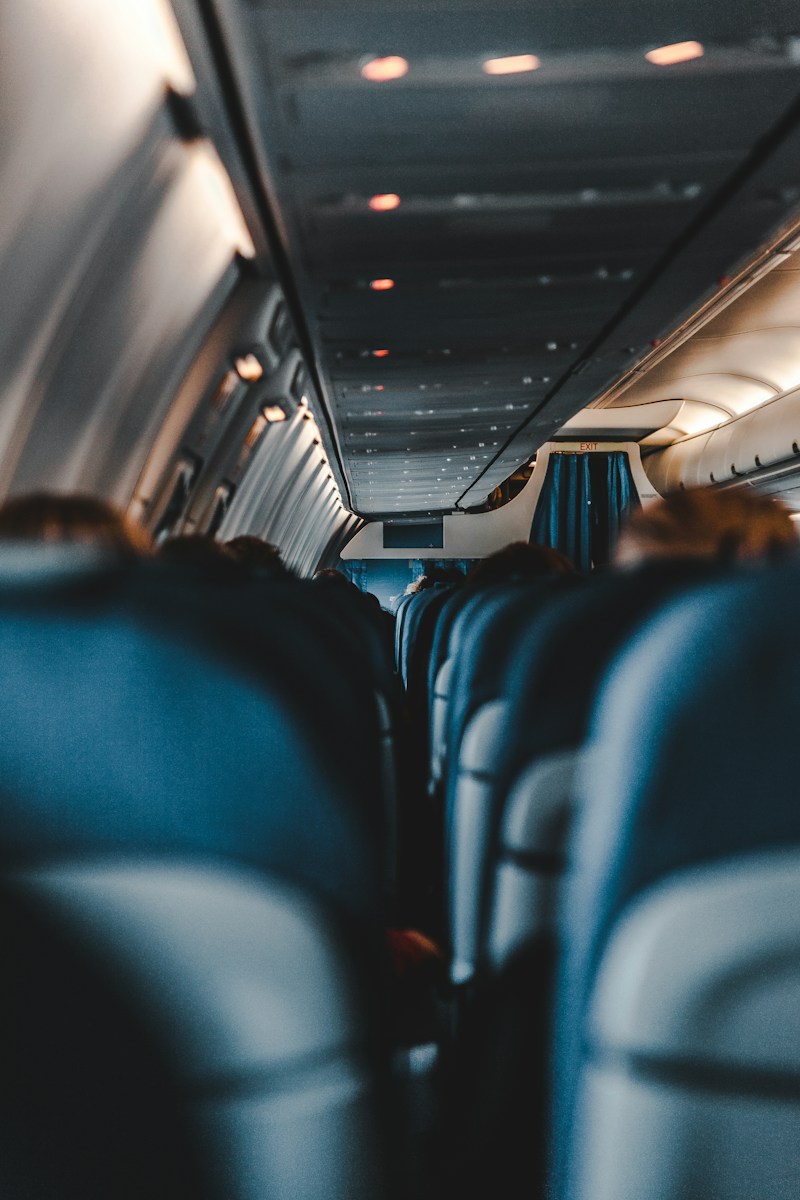
There’s something about the specific pressure of an airplane cabin — the recycled air, the shrinking seat pitch, the total absence of personal space — that seems to bring out either the best or the absolute worst in people. Most passengers manage a kind of quiet, mutual tolerance, understanding that everyone on board is just trying to get somewhere with their dignity intact. Then there’s the small percentage who seem to have forgotten they’re sharing an enclosed metal tube with two hundred strangers for the next several hours.
None of this is about shaming anyone for an occasional lapse; we’ve all had a rough travel day. It’s about the handful of repeat-offender behaviors that show up on every single flight, in every cabin class, regardless of route or airline, and that everyone within three rows quietly notices and resents. If any of these sound familiar, consider this your gentle, wry nudge to reconsider.
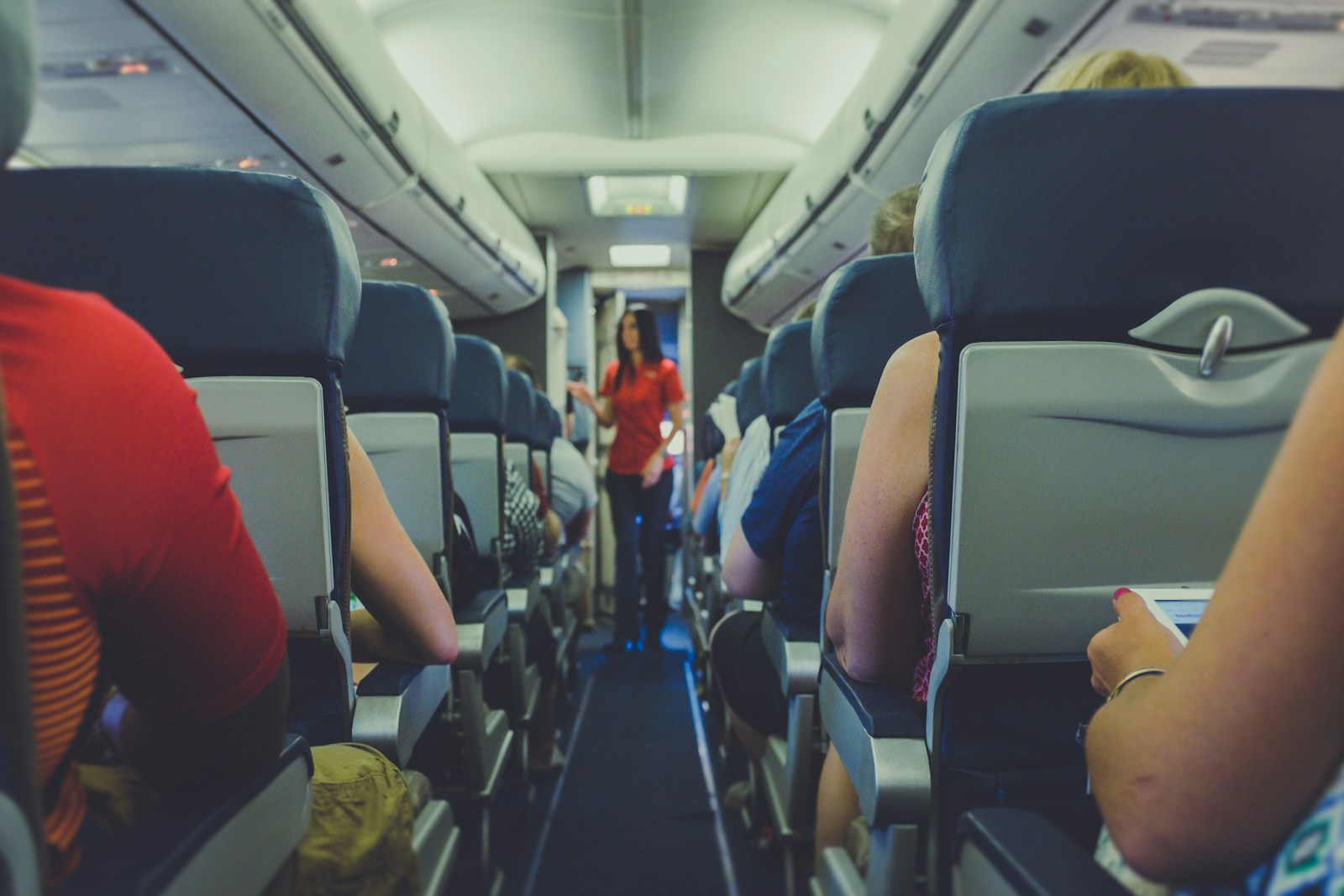
Reclining Fully and Immediately, the Second the Seatbelt Sign Turns Off
There’s a version of reclining that’s reasonable — easing it back gradually, checking behind you first, avoiding meal service — and then there’s slamming the seat back the instant it’s technically allowed, crushing the knees or the laptop of the person behind you without a glance. Airplane seats have gotten closer together over the years, which makes a few inches of recline feel like a much bigger encroachment than it used to. A little awareness goes a long way here: a quick look back, a gentler motion, and some sense of the person behind you as an actual human rather than an obstacle can turn a mildly annoying necessity into something far less tense for both of you.
Treating the Armrest Situation as a Personal Victory to Be Won
Middle-seat passengers get both armrests — this is close to universal etiquette, given they drew the short straw on legroom and personal space. Yet the armrest battle persists on nearly every flight, with window and aisle passengers sometimes aggressively colonizing space that isn’t theirs. It’s such a small thing to concede and such an outsized thing to fight over, especially on a long flight where the person in the middle is already dealing with the worst seat on the plane. If you’re in the window or aisle, giving up the armrest costs you almost nothing and spares everyone an hour of passive-aggressive elbow positioning that nobody actually enjoys.
Playing Videos or Games Without Headphones
It’s baffling how often this happens given how normalized headphones have become everywhere else in public life, yet somewhere over the ocean someone always decides the cabin needs to hear their movie, or worse, an endless loop of a mobile game’s sound effects. It’s not that anyone thinks you’re doing it maliciously — it’s usually just thoughtlessness — but the effect is the same regardless of intent. Bring headphones, check that they’re actually plugged in properly, and if you forgot them, most flight attendants can find you a pair or you can simply watch something with the sound off, which is a small sacrifice compared to what you’re asking of everyone around you otherwise.
Getting Up the Instant the Plane Stops at the Gate
The seatbelt sign is barely off before half the cabin is standing in the aisle, bags out, jostling for a position they can’t actually move into until the doors open and the rows ahead start filing out. This accomplishes nothing except crowding the aisle and making everyone’s back and neck hurt from standing hunched under the overhead bins for several extra minutes. Staying seated until your row is actually moving isn’t a sacrifice — you’ll deplane at exactly the same time either way — it just makes the process less chaotic and cramped for the people around you who’d rather not have a stranger’s bag inches from their face while they wait.
Bringing Food With an Overpowering Smell Into a Sealed Cabin
Cabin air doesn’t circulate the way a restaurant’s does, which means a pungent meal doesn’t fade — it lingers for the entire flight, sometimes for hours, for everyone in the surrounding rows who didn’t choose to eat it. This is one of the more polarizing items on any list like this, since food preferences are personal and nobody wants to be told what they can and can’t eat. But there’s a real difference between a sandwich and something genuinely potent in a sealed space with no ventilation, and a little consideration for the people trapped next to you for the duration of the flight goes a long way toward keeping the cabin bearable for everyone.
Letting Children Kick, Scream, or Roam Unsupervised for the Entire Flight
Traveling with young kids is genuinely hard, and nobody reasonable expects a perfectly silent, still child for a five-hour flight — the occasional meltdown is simply part of flying, and most passengers extend real grace here. What tends to wear on people instead is total parental disengagement: a child kicking the seat in front of them repeatedly with no acknowledgment, or wandering the aisle unaccompanied for long stretches while a parent is absorbed in something else entirely. It’s less about demanding silence and more about visible effort, since most passengers can tell the difference between a parent doing their genuine best in a hard situation and one who’s simply checked out for the duration of the flight.
Monopolizing the Overhead Bin With Items That Belong Under the Seat
Overhead bin space is finite and shared, yet it’s common to watch someone stuff a jacket, a shopping bag, and a personal item into the bin while their actual roll-aboard sits comfortably, leaving nowhere for the row behind them to store anything. This usually isn’t malicious, just a lack of awareness that bin space runs out fast on a full flight. A good habit is treating the bin as reserved for one larger bag per person and keeping smaller items under the seat in front of you, which sounds obvious until you watch how many people board with an entirely different philosophy and leave the last few rows scrambling for space that should have been available to them.
Striking Up an Unwanted Conversation and Not Reading the Room
Some people genuinely enjoy chatting with a seatmate, and that’s a fine way to pass a flight when both parties are into it. The friction comes from not reading clear signals — headphones in, eyes closed, a book held up, one-word answers — and continuing to talk anyway. A polite hello and then taking the cue from how someone responds covers nearly every situation gracefully. If they engage, great, you’ve got a flight companion; if they don’t, respecting that boundary is simply basic social awareness that somehow becomes harder to access at thirty-five thousand feet than it is literally anywhere else.

As a mom of three busy boys, I know how chaotic life can get — but I’ve learned that it’s possible to create a beautiful, cozy home even with kids running around. That’s why I started Cultivated Comfort — to share practical tips, simple systems, and a little encouragement for parents like me who want to make their home feel warm, inviting, and effortlessly stylish. Whether it’s managing toy chaos, streamlining everyday routines, or finding little moments of calm, I’m here to help you simplify your space and create a sense of comfort.
But home is just part of the story. I’m also passionate about seeing the world and creating beautiful meals to share with the people I love. Through Cultivated Comfort, I share my journey of balancing motherhood with building a home that feels rich and peaceful — and finding joy in exploring new places and flavors along the way.