Some recipes get passed down with careful written instructions, measurements recorded precisely for the next generation to follow. Others live entirely in memory, absorbed through years of watching someone cook rather than through any formal record, and it is that second kind of inheritance that one son is now keeping alive in his mother’s honor.
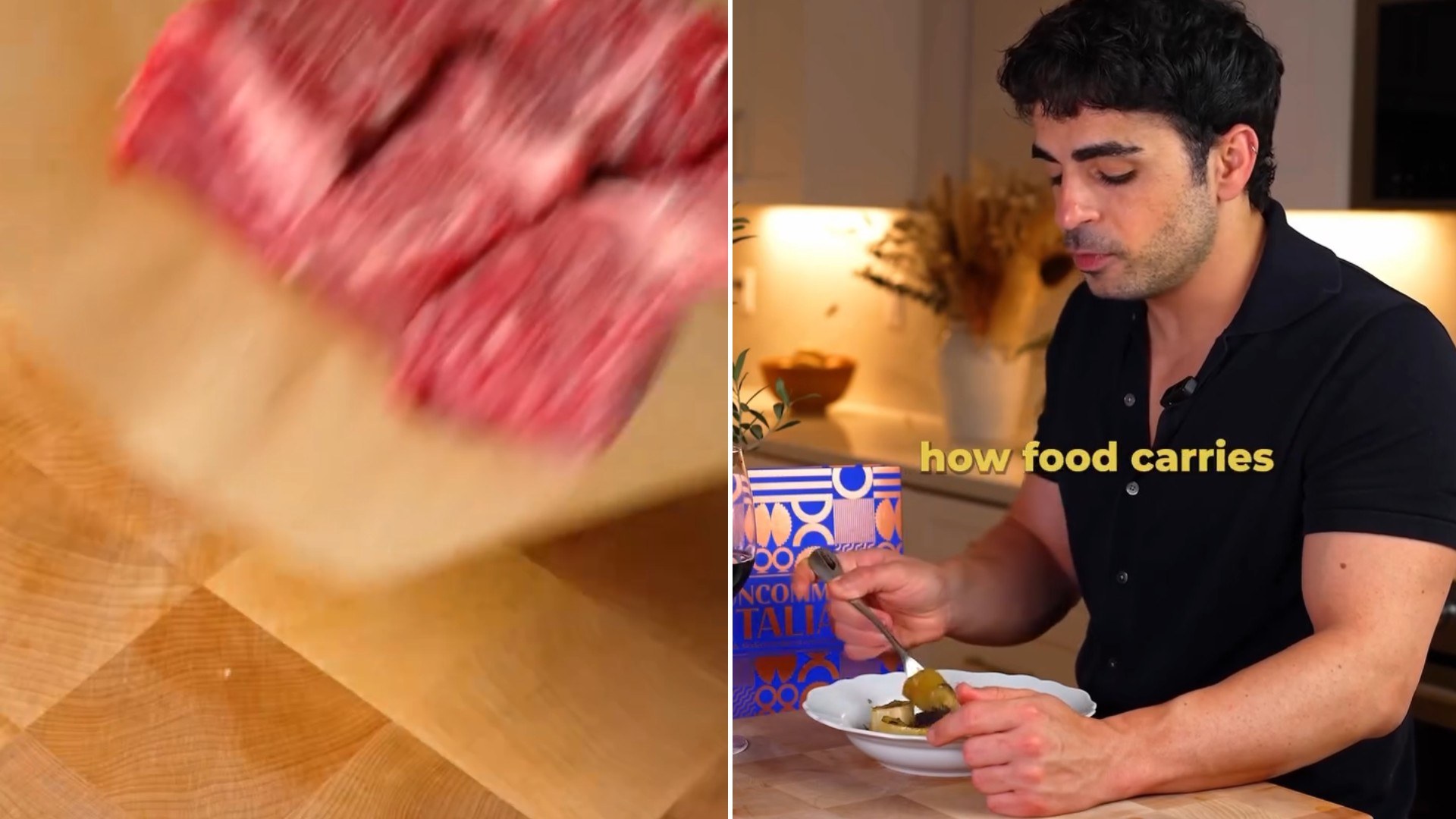
The video from @yarindanieli walks through a braised beef chuck roast and leek recipe he credits directly to his mother, narrating each stage of the process with clear attention to detail: browning the meat first, building the braise, and eventually serving the finished dish alongside bread meant specifically for dipping into the sauce. The video presents the recipe not as a one-time tribute but as a dish he continues to make for himself regularly as an adult, a living part of his own routine rather than a nostalgic exercise reserved for special occasions.
View this post on Instagram
That distinction matters enormously, and it is worth dwelling on. A recipe made once, for a memorial or a special anniversary, functions as a tribute, a deliberate act of remembrance tied to a specific occasion. A recipe made regularly, woven into someone’s ordinary week as an adult living independently, functions differently. It becomes less a memorial and more a continuation, a way that a parent’s presence and influence persists in someone’s life long after the original lessons in the kitchen took place. Every time he browns that chuck roast, in some sense, he is not just cooking dinner. He is maintaining a direct, tangible connection to his mother’s kitchen.
Braised dishes in particular carry a specific kind of symbolic weight when it comes to cooking traditions passed between generations. Unlike quick, simple meals, braising requires patience, attention, and time, a willingness to let something cook slowly rather than rush toward a finished plate. Learning to braise well, to properly brown meat before it goes into the pot, to build a sauce with real depth over the course of an extended cook time, typically requires either direct instruction or years of close observation, since the technique does not translate easily from a quick glance at a written recipe alone. That suggests this particular dish was likely something he watched his mother make repeatedly over years, absorbing the technique gradually rather than learning it from a single lesson or a piece of paper.
Food and family researchers who study inherited cooking traditions often describe this exact phenomenon: dishes that get passed down not through formal teaching moments but through sheer repeated exposure, a child watching a parent cook the same meal often enough that the technique eventually becomes second nature, absorbed almost without either person realizing a lesson was taking place. Those recipes, once the child becomes an adult and starts cooking independently, often carry more emotional weight than recipes learned from cookbooks or classes, precisely because they are tied to a specific, remembered person rather than an anonymous source.
The detail about serving the dish with bread for dipping into the sauce is a small addition, but it speaks to something important about how these inherited traditions carry forward completely intact, down to the smallest specific habits. It would have been easy, cooking independently as an adult, to simplify the presentation or skip a step that felt unnecessary. Keeping that detail suggests a genuine commitment to preserving the dish exactly as it was learned, rather than adapting it into something more convenient or more his own.
There is a broader lesson embedded in this kind of tribute that extends well beyond cooking specifically. Grief and remembrance do not always require grand, singular gestures. Sometimes the most meaningful way to honor someone is through a small, repeated act, a recipe made on an ordinary Tuesday rather than a specific date marked on a calendar, folded quietly into everyday life rather than set apart as something separate from it. That kind of remembrance tends to last longer precisely because it does not depend on remembering to observe a particular occasion. It is simply built into the rhythm of living.
Every time he makes that braised chuck roast, he is not performing a tribute for an audience. He is simply doing what his mother taught him to do, which may be the most enduring form of honoring her that exists: not a monument, but a meal, repeated, carried forward, and still tasting exactly the way she meant it to.
There is also something meaningful in the choice to film and share a recipe like this one publicly, rather than keeping it as a private, unrecorded ritual known only within the family. Publishing it turns a personal act of remembrance into something durable and searchable, a version of the recipe that now exists independent of memory alone, available to be found again years from now regardless of what else changes. It also, in a quiet way, extends his mother’s reach well beyond the people who actually knew her, since anyone who watches the video and later makes the dish themselves is, in some small sense, carrying her recipe forward too. That is not something he could have controlled or fully anticipated when he decided to film himself browning a chuck roast, but it is a meaningful extension of exactly the kind of continuation the video was already built around in the first place.
Chuck roast itself is a notably practical cut for this kind of slow, inherited technique, since its toughness when cooked quickly is precisely what makes it reward the long, patient braise his mother’s method depends on, turning an inexpensive, humble piece of meat into something that only improves the longer it is given to cook.