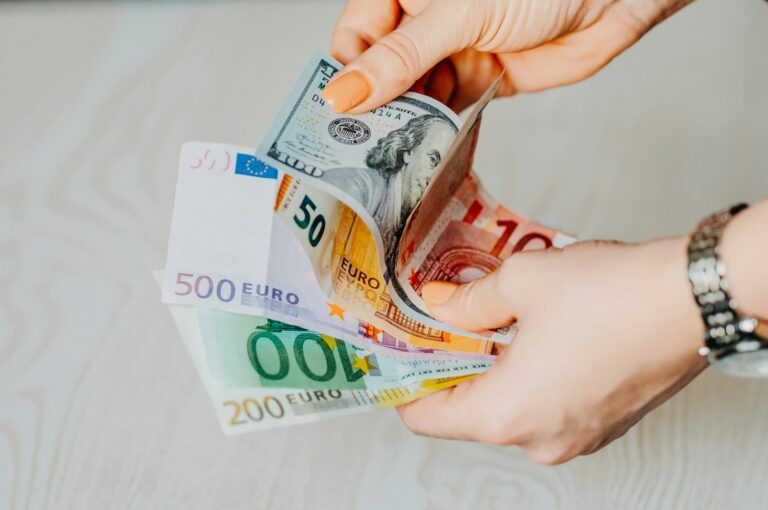
The Instagram account @only_d.dot posted a ten second reel on October 7, 2026 with one line of text across the middle of the screen: “pov: I was waiting for the flight to go from 500 to 400 but now it’s 1082.” The caption is short and blunt: “I’m not going no where now,” followed by the hashtags sad, fyp, viral and relatable.
There is no speech to quote and no screen of a booking site. The camera is fixed on a man in a gray hooded sweatshirt with the hood up, standing at a white kitchen counter in a bright room. He starts by leaning on one elbow with his phone in the other hand and his palm pressed against his cheek. A moment later the hand moves over his mouth. Then he straightens up, sets the phone down and rubs his hands together, and his face tightens into a grimace as he shifts his weight from foot to foot. By the last second he has turned away from the camera.
The “pov” label marks this as a first person reaction, a short sketch of a feeling. The numbers in the on screen text are the whole story: a fare he hoped would fall by 100 instead more than doubled, from 500 to 1082.
Federal data gives a sense of what a typical ticket costs. The Bureau of Transportation Statistics reports an average domestic itinerary fare of $445 for the second quarter of 2026, up 2.0 percent from the first quarter on an inflation adjusted basis (from $436), and up 4.1 percent unadjusted from $428. The bureau notes that the figure covers round trips and one way tickets together, and that it excludes optional charges such as baggage fees and seat upgrades. By its breakdown, one way tickets averaged $312 and round trips $549. Against those averages, a 500 dollar fare is already a normal price for a round trip, and a 400 dollar price is a reasonable target, not a special deal.
The video does not offer a lesson, but the U.S. Department of Transportation’s consumer guide does offer some tools for travelers caught in the same spot. It says many large airlines will hold a reservation for 24 hours or so without payment, and that others require payment at the time of booking but give a full refund if you cancel within the first day or so. Either approach lets you keep a seat and a fare for a short time while you keep shopping. The same guide says fares change all the time, and that if the fare you paid goes down before you fly, some airlines will refund the difference, but refunds are not automatic: you have to call the airline or travel agent once or twice before departure to check. The guide is archived and says continued reliance on the page is not advised, so confirm the current policy with the airline you are buying from.