For generations, plenty of cooks have carried the same kitchen ritual from the fridge to the sink: unwrap the chicken, turn on the faucet and give it a good rinse. It feels like the clean thing to do. You are washing off the slime, the package juice and whatever else might be clinging to it. But food safety agencies advise against washing raw poultry, and the reason is not what most people expect.
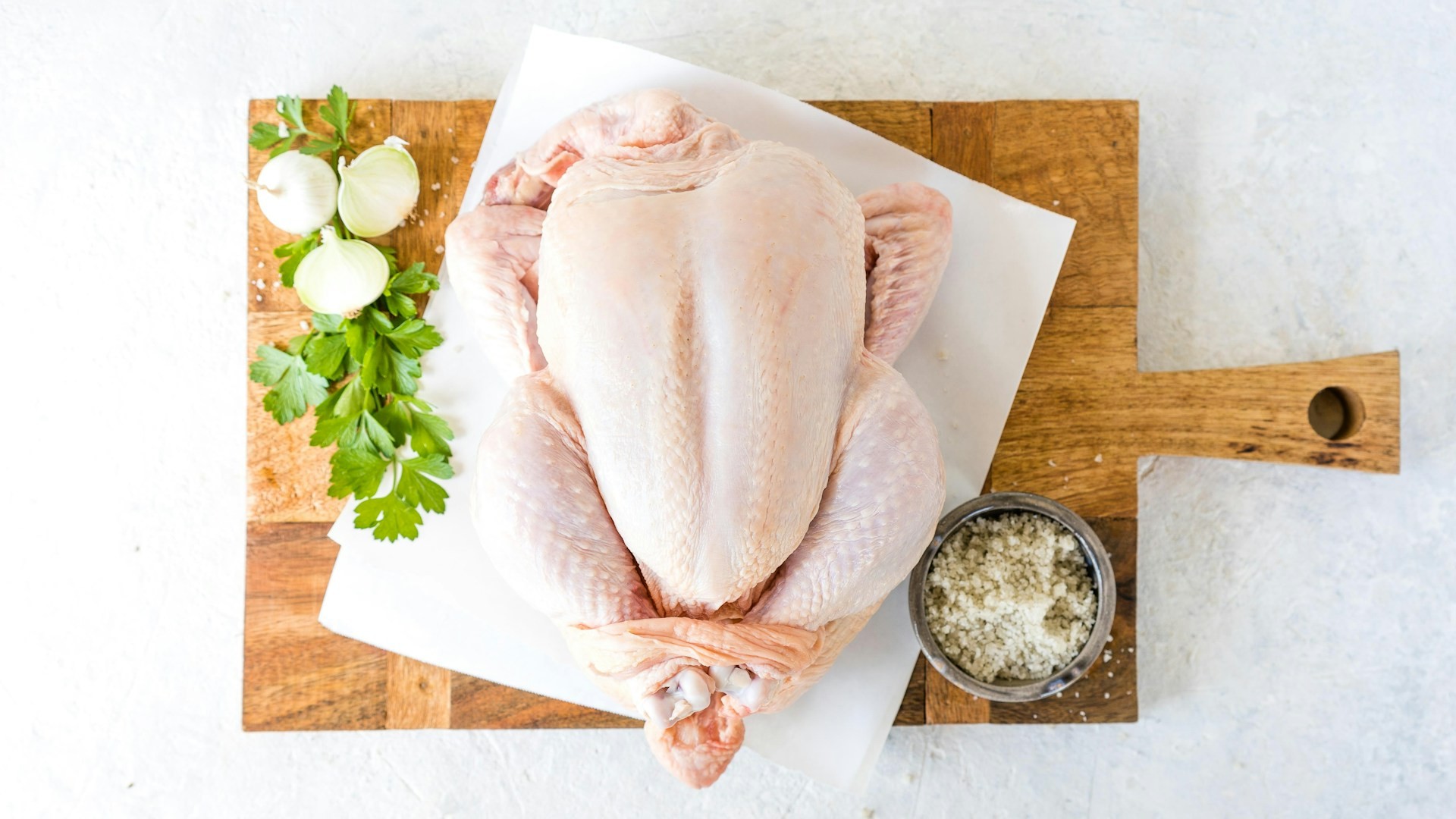
The problem is not the chicken. The problem is the water. When a stream of water hits raw poultry, it splashes, and those droplets can carry bacteria like Salmonella and Campylobacter along with them. Instead of cleaning anything, the rinse can move germs from the meat to places that were clean a minute ago.
Where the Splash Goes
Think about how much surface area surrounds a kitchen sink. There is the basin itself, the faucet handle, the edge of the counter, the dish rack, the sponge, and often a bowl of fruit or a cutting board sitting close by. Water bounces and sprays in directions you cannot see. The splash can spread to sinks, counters and nearby food, and none of it leaves a visible trace.
That is what makes this habit tricky. You rinse the chicken, wipe your hands, and move on. The counter looks fine. The sink looks fine. But the droplets are invisible, and if a head of lettuce or a loaf of bread happens to be sitting nearby, it may have just picked up something you never meant to serve.
The Myth That Feels Like Good Hygiene
This one sticks around because it makes perfect sense on the surface. We wash our hands, our dishes and our vegetables, so washing raw meat feels like part of the same program. Many people learned it from a mother or grandmother who did it for decades and never got anyone sick. That does not make you a bad cook for doing it too. It simply means the advice has changed, and it is worth updating the habit.
What actually protects you is heat. Cooking chicken to a safe internal temperature kills Salmonella and Campylobacter. The bacteria on the surface are handled by the cooking, so the rinse adds no safety benefit while adding a real chance of spreading germs around your kitchen.
Use a Thermometer Instead
If you are going to drop the rinse, pick up something better in its place: a food thermometer. Judging doneness by color or by cutting into the meat is a guessing game. A thermometer takes the guessing out of it. Slide it into the thickest part of the chicken, away from bone, and check that it has reached the safe temperature listed on the package or in a trusted food safety guide.
A basic thermometer is inexpensive, and it helps in other ways too. You stop overcooking chicken out of fear, which means juicier meat and fewer dry dinners.
A Safer Routine at the Sink
Dropping the rinse does not mean you can relax everywhere else. Raw chicken still deserves some care from the moment it comes home. Here is a simple routine that keeps the germs where they belong:
- Skip the rinse. Take the chicken straight from its package to the pan, the oven or the grill.
- Pat it dry with a paper towel if a recipe asks for dry skin or a better sear, then throw the towel away right away.
- Keep a separate cutting board for raw poultry, or wash the board well before anything else touches it.
- Wash your hands with soap and water after touching raw chicken, and before you touch the faucet, the fridge handle or anything else.
- Clean the counters and anything the packaging touched, using hot soapy water or your usual kitchen cleaner.
- Cook the chicken until a thermometer says it is done, not until it simply looks done.
What About the Slime and the Package Juice?
If the idea of cooking chicken that has not been rinsed makes you squeamish, that is a normal reaction. The slippery feel and the liquid in the package are not a sign that the chicken needs washing. Patting it dry takes care of the texture. The heat of cooking takes care of the bacteria. Neither step requires a faucet.
It also helps to open the package carefully over the pan or a plate, rather than holding it up high and letting juices drip. Little habits like that cut down on mess without adding any risk.
Small Change, Real Payoff
Food safety rules often feel like a long list of things you are doing wrong. This one is refreshingly easy, because it asks you to do less, not more. No scrubbing, no splashing, no wiping down the entire kitchen afterward. Just open the package, cook the chicken thoroughly, and check it with a thermometer.
Share it with the friend who still rinses every bird before roasting. Chances are they have never heard that the splash is the whole problem. A habit that felt like good hygiene turns out to be one that can backfire, and letting it go is one of the simplest ways to keep a kitchen safer for everyone who eats there.
More Stories You May Like
- She Says Her Grandmother’s Usual Cracker Barrel Fried Chicken Sandwich Tasted Like Fish And The Manager Told Them It Is Fried In The Same Oil
- Woman Describes Her Worst Restaurant Experience Yet and Says She Will Not Be Going Back to the Place After What Happened
- She Told Her Mom They Were Heading to Florida but Waited Until the Airport to Reveal They Were Actually Going to Paris