You settle your bill at the front desk, wave goodbye to the staff and head for the airport feeling pleased with a smooth stay. Then, days later, you open your card statement and spot a charge from the hotel that you did not expect. Or maybe your available balance is mysteriously lower than it should be, and you cannot figure out why.
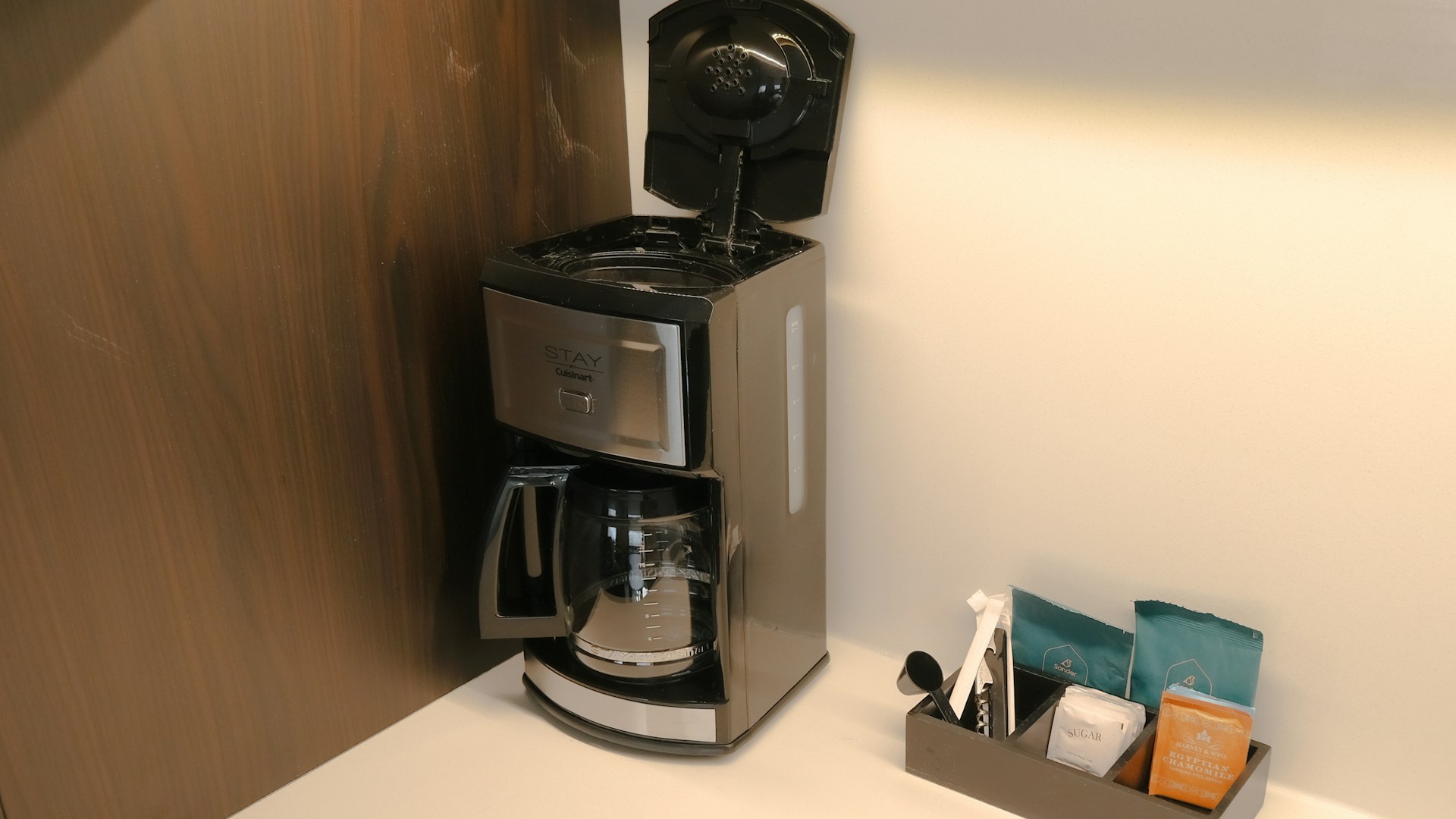
Hotels have a few common ways of putting money on your card that surprise guests. Some of them are perfectly legitimate but poorly explained, and others are worth challenging. Knowing the tricks ahead of time lets you stay in charge of your own money. Here are seven holds and minibar traps to watch for, along with how to avoid them.
1. The Incidental Hold
When you check in, many hotels place a temporary hold on your card to cover possible extras like room service or damages. A hold is not the same as a charge, but it can reduce your available funds. Hold amounts and timing vary by hotel, so do not assume it matches the cost of the room.
The simple defense is to ask. At check in, say politely, “What does the hold cover, and how long does it stay on my card?” A good desk clerk will answer in a sentence. Write the answer down or save it in your phone, because it is the first thing you will want if your balance looks wrong a week later.
2. A Hold That Lingers After Check Out
Even after you leave, a hold may stay on your card for a while before it falls off. Debit cards can feel this the most, because the money is tied up in your checking account, and a bill you planned to pay on Friday can bounce because of a hold from a hotel you left on Monday.
If you are on a tight budget, use a credit card for hotel stays, and ask the desk when you can expect the hold to be released. Then mark that date on your calendar. If the hold is still there well after the date you were given, call the hotel and your card company and ask for it to be released.
3. The Minibar With Sensors
Some in room minibars use sensors that register when an item is lifted, even if you only moved it. If you take something out to make room for your own snacks, you may be billed for it, and the charge can show up on your final bill before you have even left the room.
Ask whether the minibar is sensor based, and avoid moving items. If you need space for your own food or a medication that must stay cold, ask the front desk for a refrigerator, or ask staff to empty the minibar. Making the request in person, and noting the name of the person who helped, gives you something to point to if a charge appears.
4. Items You Never Touched
Minibar errors do happen. A previous guest might have taken something that was not restocked or recorded, and the next guest in the room can end up paying for it. Before you settle in, take a quick look at the minibar and the snack basket and snap a photo of what is there.
If you see an open or missing item, tell the desk right away. A timestamped photo and a quick phone call are far easier than arguing about a charge after you have gone home. It takes a minute, and it protects you from paying for a stranger’s midnight snack.
5. Fees You Did Not Know About
Some hotels add daily fees for things like amenities, parking or in room extras. Look closely at the room rate when you book and ask what is included. The price you see first and the price you pay at the end can be two different numbers, and the difference is often a list of small line items.
Request a printed or emailed copy of your estimated total. If a fee shows up that was not disclosed, ask the desk to explain it and to remove it if it was not clear in advance. Staying polite and specific usually works better than raising your voice, and it leaves the door open for the manager to say yes.
6. The Express Check Out Surprise
Express check out is handy, but it skips the moment where you review the bill with a person. If you leave without looking, a mistake could slip by, and by the time you notice it you may be hundreds of miles from the front desk.
Instead, ask for the final bill before you leave, whether on paper, on your phone or in your email. Read each line, and speak up on the spot if something looks wrong. Fixing an error while you are standing at the counter is much easier than fixing it from your kitchen table a week later.
7. Charges That Show Up Later
Occasionally a charge appears days after you leave, for something the hotel says was damaged or used. If this happens, ask the hotel for a clear explanation and any records that support it. Your photos from check in and check out may help, and so will the final bill you saved.
If you are not satisfied with the answer, contact your card company and explain the situation. Keep your tone factual, share your dates and your photos, and ask what the next step is. Card companies deal with disputed charges all the time, and a calm, well documented request goes much further than an angry one.
How To Avoid Surprise Charges
- Use a credit card rather than a debit card, so a hold does not tie up your checking account.
- Ask what the hold covers and when it will be released.
- Keep every receipt and your final folio.
- Take photos of the room and minibar when you arrive and again when you leave.
- Review the bill before you leave, then review your card statement a few days later.
What To Do If Something Looks Wrong
Start with the hotel. Be calm, polite and specific, and have your folio and photos ready. Ask for the manager if the front desk cannot help, and keep notes on who you talk to and when. If the hotel will not fix a charge you believe is wrong, call your card company and ask about disputing it. Do this promptly, since card companies often have time limits for disputes.
A Little Attention Goes A Long Way
None of this means hotels are out to get you. Most stays go smoothly. But a few minutes of attention at check in, check out and when your statement arrives can spare you from paying for something you never used. Ask questions, hold onto your paperwork and trust your own records. Your trip should end when you walk out the door, not when a mystery charge shows up weeks later.
More Stories You May Like
- Diner Notices the Restaurant Already Added a $20 Tip to His Bill When He Only Wanted to Leave $10 and Shows Everyone Exactly What He Did About It
- Grandpa Turned 100 and Heard His Family Say Surprise We Are Taking You to Hawaii and He Showed Up on the Plane in His Best Hawaiian Shirt
- Lawyer Explains Why That Surprise 20 Percent Gratuity on Your Restaurant Bill May Be Legal If It Was Disclosed, and the One Question to Ask Before You Pay