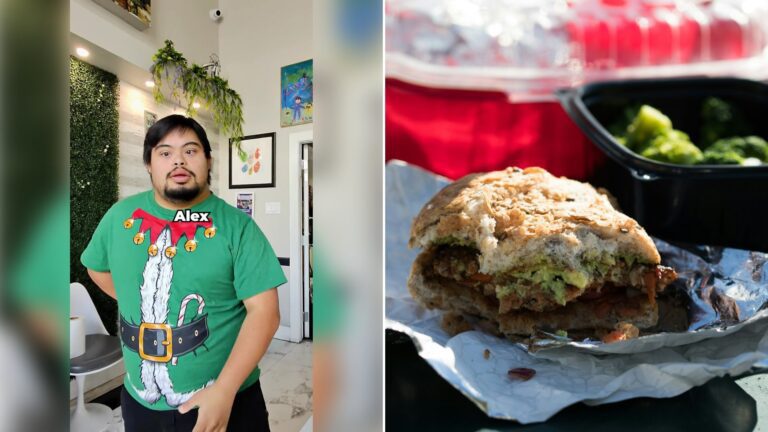
Anyone who has paid a restaurant bill lately knows the moment. The receipt arrives, and somewhere on it is a tip line, sometimes already filled in. @captain.t.roll ran into exactly that at a place called Salty Catch Grill, and he used it to show his followers what he does when a restaurant adds a tip on its own.
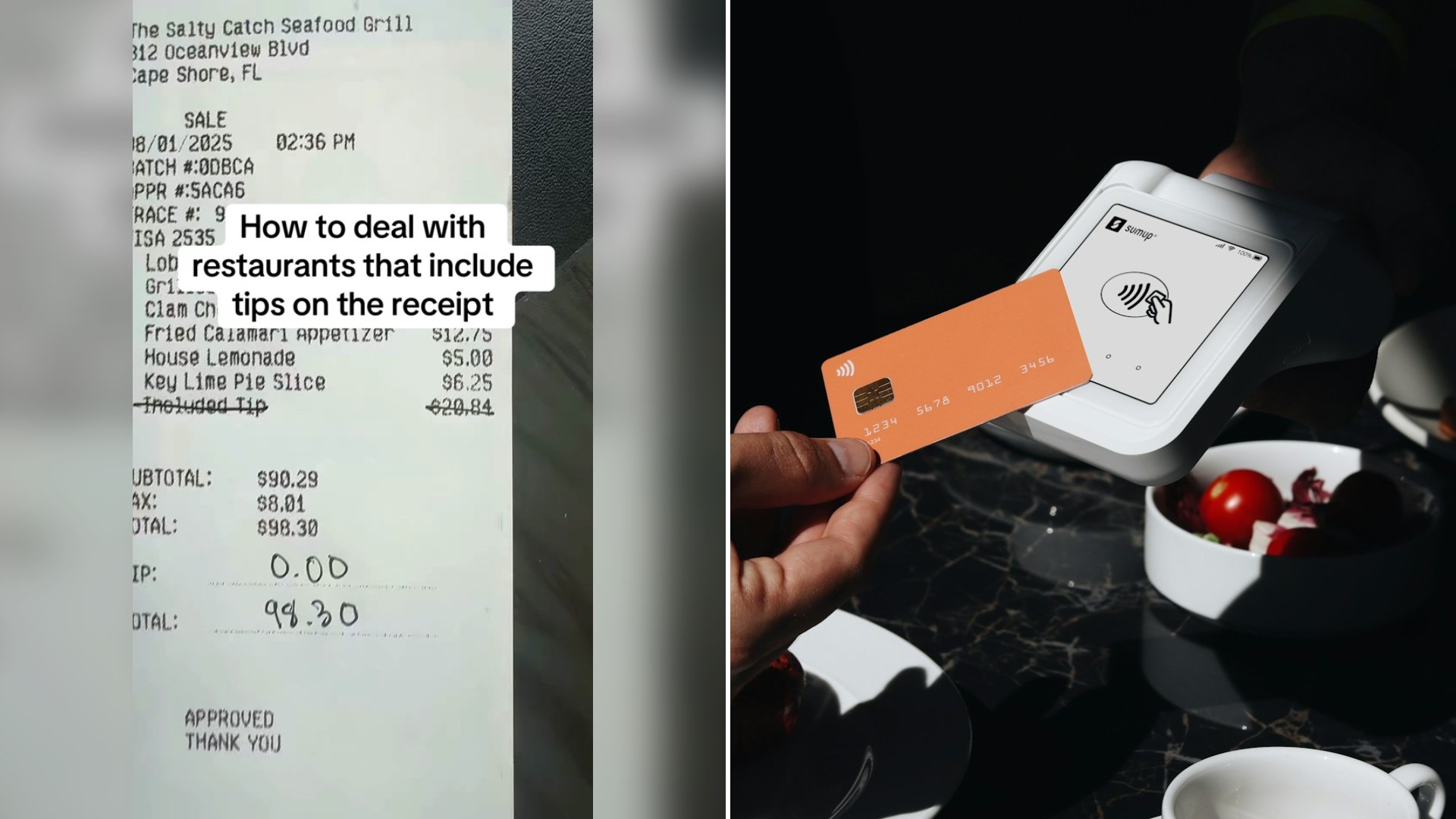
He had planned to leave $10. Instead, he noticed that the restaurant had already added a $20 tip to the receipt. “I only wanted to tip $10,” he explains, “but they included $20 for themselves.”
@captain.t.roll
His step by step fix
His advice is simple, and he walks through it on the receipt. First, draw a line straight through the tip that was added. Second, on the tip line, write zero dollars, because he plans to tip in cash instead. Third, write in the new total. He then leaves the $10 he wanted to give rather than the $20 the restaurant picked.
He opens with a firm statement: “If any restaurant tries to include a tip, just cross it out and do not pay it.” And he repeats a line that anyone can agree with: “Always check your receipt, people.”
His caption gives the reasoning. He says that as tipping has declined, many restaurants have started including the tip on the receipt so their servers are paid. The problem, in his view, is that the restaurant is deciding the percentage, and it stays the same no matter how good or bad the service was.
Is it okay to cross out an added tip?
This is where it helps to slow down, because the answer depends on what exactly was added to the bill. There are a few different things that can show up on a check:
- A suggested tip line. Many receipts print suggested amounts or a pre-filled line, but the guest is still free to choose. If you write in your own number, that is normal and accepted.
- An automatic gratuity. Many restaurants add a set percentage for larger groups, often parties of six or eight and up, and the policy is usually printed on the menu. This is a stated charge, and it is typically expected.
- A service charge. Some restaurants add a flat service charge to every check. This is not always a tip for the server. Depending on the place, it may go toward wages, benefits, or other costs.
In his case, the added amount was a tip already printed on the receipt, and he chose to correct it. That makes sense when a tip is truly optional. If a restaurant has a posted policy for a service charge or an automatic gratuity, it is better to understand it before you sit down, and to speak with a manager if something is unclear or was not disclosed.
Why restaurants do this
It is easy to feel annoyed at the practice, but it helps to know why it exists. Server pay in much of the country depends on tips. The federal minimum cash wage for tipped workers is $2.13 an hour, with tips expected to make up the difference. When guests tip less, servers feel it directly, and some owners respond by building the gratuity into the bill.
Servers also face the opposite problem, where a table leaves nothing at all after getting full service. A built-in tip protects them from that. Supporters of the practice say it creates steadier pay, especially for large groups. Critics, like the creator here, say it takes away the guest’s say over what they feel the service was worth. Both sides want the same thing, a fair deal, and they simply see the path differently.
It is also worth remembering that the creator chose to tip in cash, and he still intended to reward the staff. His complaint was not about tipping itself, but about who gets to decide the amount. That is a useful distinction. Most people are happy to tip for good service, and many are glad to tip well. What bothers them is the feeling that the number was chosen for them before they had a chance to think about the meal. A restaurant that makes its policy clear up front, and leaves room for the guest to adjust a suggested amount, tends to avoid this sort of friction.
Smart habits at the table
No matter where you stand, a few habits can save you from a surprise at the end of the meal:
- Read the menu and receipt. Policies on automatic gratuity are often printed in small type. A quick look can avoid an awkward moment later.
- Check the total before you sign. Add up the tip and the bill yourself. It takes ten seconds and prevents mistakes, including paying a tip twice.
- Ask politely. If a charge looks new or unclear, ask your server or a manager to explain it. Most are glad to.
- Pay the way you intend. If you plan to leave a cash tip, say so and make sure the card slip shows what you mean.
- Be kind about it. The person who brought your food usually did not set the policy.
Where this leaves diners
The tipping conversation keeps growing because prices, pay, and habits are all shifting at once. This diner’s approach was calm and easy to follow, and it comes down to paying attention. His reminder to check your receipt is good advice whether you are on his side of the debate or not. A few seconds with a pen and a careful look at the total can keep you in control of what you pay, while still treating the folks who served you fairly.