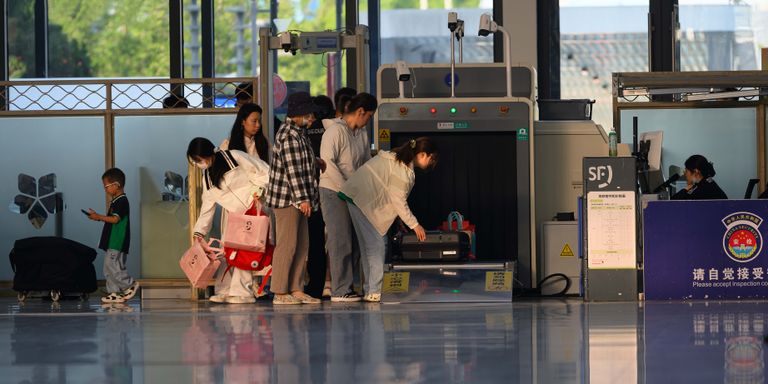
You are hungry, the flight is delayed and the only open counter in the terminal is selling a sad wrapped sandwich and a small bag of chips for a price that makes you blink. You pay it anyway, because what else are you going to do? Then you board and the in-flight menu offers more of the same. Every trip, the snack bill sneaks up on you.
Airport and in-flight food usually costs much more than the same thing at home, and it is a gripe every traveler knows. The good news is that this is one of the easiest travel costs to cut. A little packing before you leave can put real money back in your pocket. Here are seven ways to bring your own food and dodge the overpriced stuff.
1. Bring an Empty Water Bottle
Bottled water in an airport can cost far more than it does at home. Instead, carry an empty reusable bottle through security and fill it at a water fountain or refill station on the other side. Many airports have them. It costs nothing, it keeps you hydrated during a long travel day and it saves you from buying a bottle at every turn. Dry cabin air makes you thirsty on a flight, so a full bottle is a real comfort.
2. Pack Snacks That Pass Screening
The best travel snacks are solid foods that are easy to carry and easy to get through security. Think of things like nuts, granola bars, crackers, fresh fruit that travels well, dried fruit and trail mix. Solid foods generally pass through screening without a fuss, while liquids, gels and spreads can be a problem. If you are not sure about an item, check the official guidance from the airport security agency before you leave, and when in doubt, leave it home.
3. Build a Sandwich Before You Go
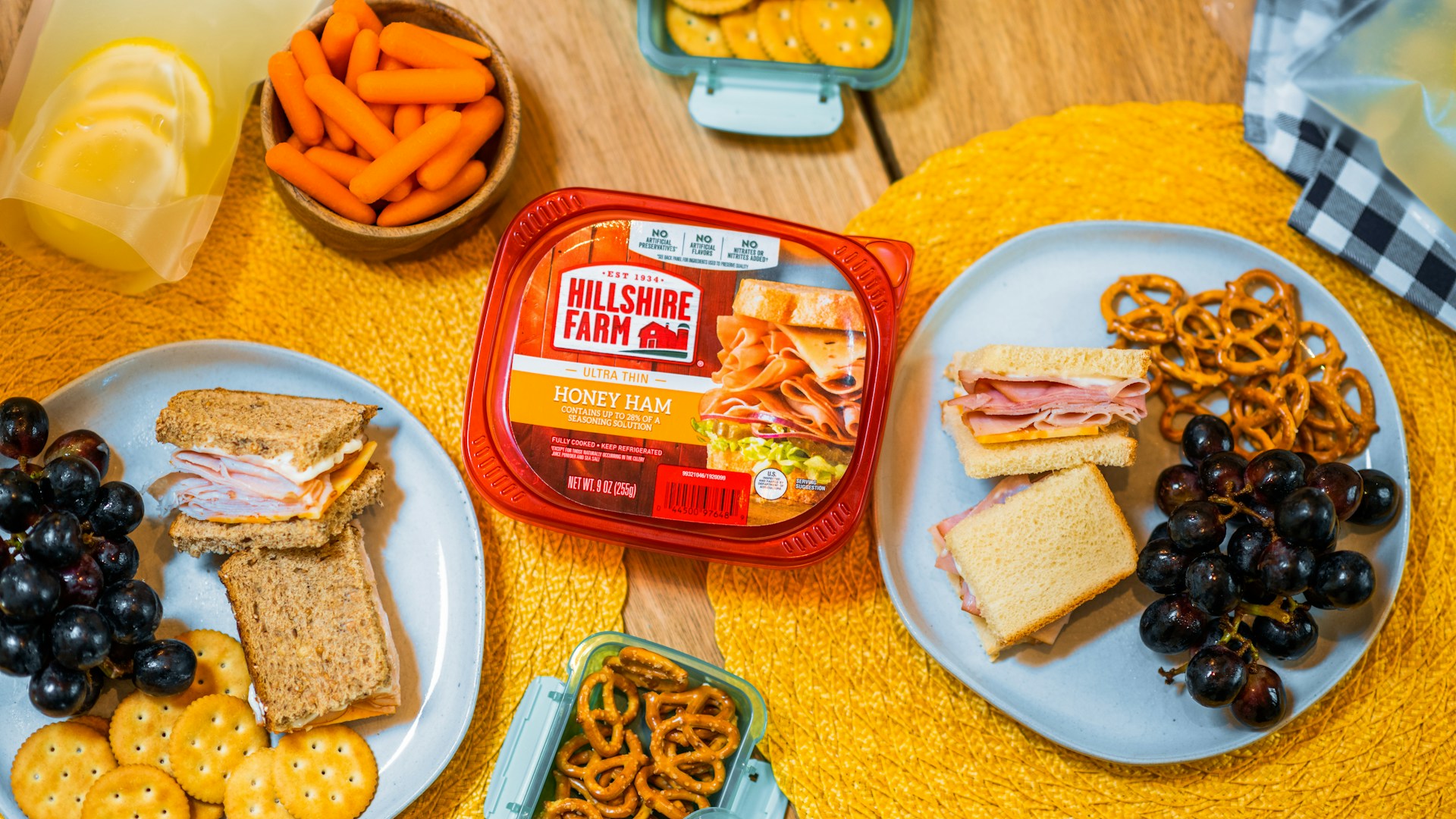
A homemade sandwich is a real meal, and it is much cheaper than a wrapped one from an airport kiosk. Choose fillings that hold up well and are not messy, and wrap the sandwich tightly. If you will be traveling for many hours, keep in mind food safety. Perishable items such as meat and cheese should not sit out for long, so pack them with a cold pack or plan to eat them early in the trip. Skip anything that spoils easily if you will not be able to keep it cold.
4. Keep Snacks Easy to Reach
It does not help to pack food if it is buried at the bottom of your suitcase. Put your snacks in an easy-to-reach spot in your carry-on bag or personal item. You will be more likely to eat what you brought and less likely to give in to a pricey impulse buy. A small zip-top bag or reusable container keeps things neat and helps keep crumbs out of your bag.
5. Eat Before You Head to the Airport
Having a good meal at home before you leave means you are not hungry when you arrive. It is much easier to walk past the food court when your stomach is full. If your flight is early, a quick breakfast at home or a coffee brought from your own kitchen goes a long way. You will start the trip feeling better and keep your spending in check.
6. Plan for Long Days and Delays
Flights get delayed and connections run long, so pack a little more than you think you will need. A few extra snacks can turn a frustrating delay into a minor inconvenience. If you are traveling with children or older relatives, pack their favorites, too. Hungry travelers can get cranky, and having familiar food on hand keeps everyone calmer.
7. Buy Smart When You Do Buy
You do not have to pack every bite. Sometimes a hot meal in the airport is a nice treat, especially on a long layover. When you do buy, look before you pay. Compare options, check the menu before you order and decide on purpose that it is worth it. Spending on a meal you really want is very different from spending out of frustration. If you do want an in-flight snack, check the airline’s policy ahead of time so there are no surprises.
A Few Packing Tips
Use a small insulated bag if you are bringing foods that need to stay cool. Pack napkins, a spoon or a fork and a few wipes. Wash fruit at home so it is ready to eat. Take only what you will eat, because you do not want to carry extra weight through a busy terminal. And remember that rules can change, especially when you travel to another country. Some places limit bringing fresh food across their borders, so check the rules for your destination before you pack fruit, meat or dairy.
Little Savings Add Up
Packing your own food will not make a trip free, but it takes the sting out of one of the most annoying travel costs. A refilled bottle, a handful of nuts and a homemade sandwich are small things that add up over a year of trips. You will also eat food you like instead of whatever happens to be nearby. Next time you pack, add a few snacks and keep your wallet happy before you even reach the gate.
More Stories You May Like
- Airbnb Host Reacts to the New Checkout Rules and Says What Guests Are Really Going to Face When the Changes Take Effect
- She Told Her Mom They Were Heading to Florida but Waited Until the Airport to Reveal They Were Actually Going to Paris
- Shopper Tracked the Same 20 Groceries at 20 Portland Stores Every Month for 13 Months, and Then WinCo Lost Its Cheapest Store Crown by Just 21 Cents