The Transportation Security Administration is heading into Labor Day weekend on the back of the busiest summer in its history, and its own screening numbers suggest this holiday could land among the top handful of travel days the agency has ever recorded.
Last Labor Day weekend already set the bar: TSA screened nearly 10.4 million people between the Friday and Monday, a 3.3% jump over 2024. Friday, August 29 alone drew 2,971,217 passengers, making it the 15th-busiest single day in the agency’s nearly 24-year history — and TSA noted that eight of its all-time top 10 busiest days had happened since May 23, 2025. That pace hasn’t slowed. Heading into the Fourth of July, TSA said it was preparing to screen nearly 18.7 million air travelers over a seven-day stretch, with Thursday, July 2 expected to bring more than 3 million passengers through checkpoints in a single day.
Key Points
- TSA screened a record nearly 10.4 million travelers over Labor Day weekend 2025, up 3.3% year over year.
- The Friday before Labor Day 2025 ranked as the 15th-busiest single day in TSA history, at 2,971,217 passengers screened.
- Eight of TSA’s all-time top 10 busiest days on record have occurred since May 23, 2025.
- TSA prepared to screen nearly 18.7 million travelers over the Fourth of July holiday period this year, with a single-day peak topping 3 million.
The trend line matters more than any single number. TSA doesn’t publish its Labor Day 2026 forecast until just before the holiday, but a summer that already produced a record Independence Day period, layered onto a Labor Day weekend that broke records twelve months earlier, points toward a checkpoint crunch near the top of the agency’s own charts. TSA Acting Deputy Administrator Adam Stahl said the agency was “fully prepared to meet the growing demand by maintaining a close partnership with our aviation industry partners,” and Senior Official Ha Nguyen McNeill echoed that ahead of July 4, noting checkpoints were “fully staffed and prepared to welcome these travelers and handle the large passenger volumes expected.”

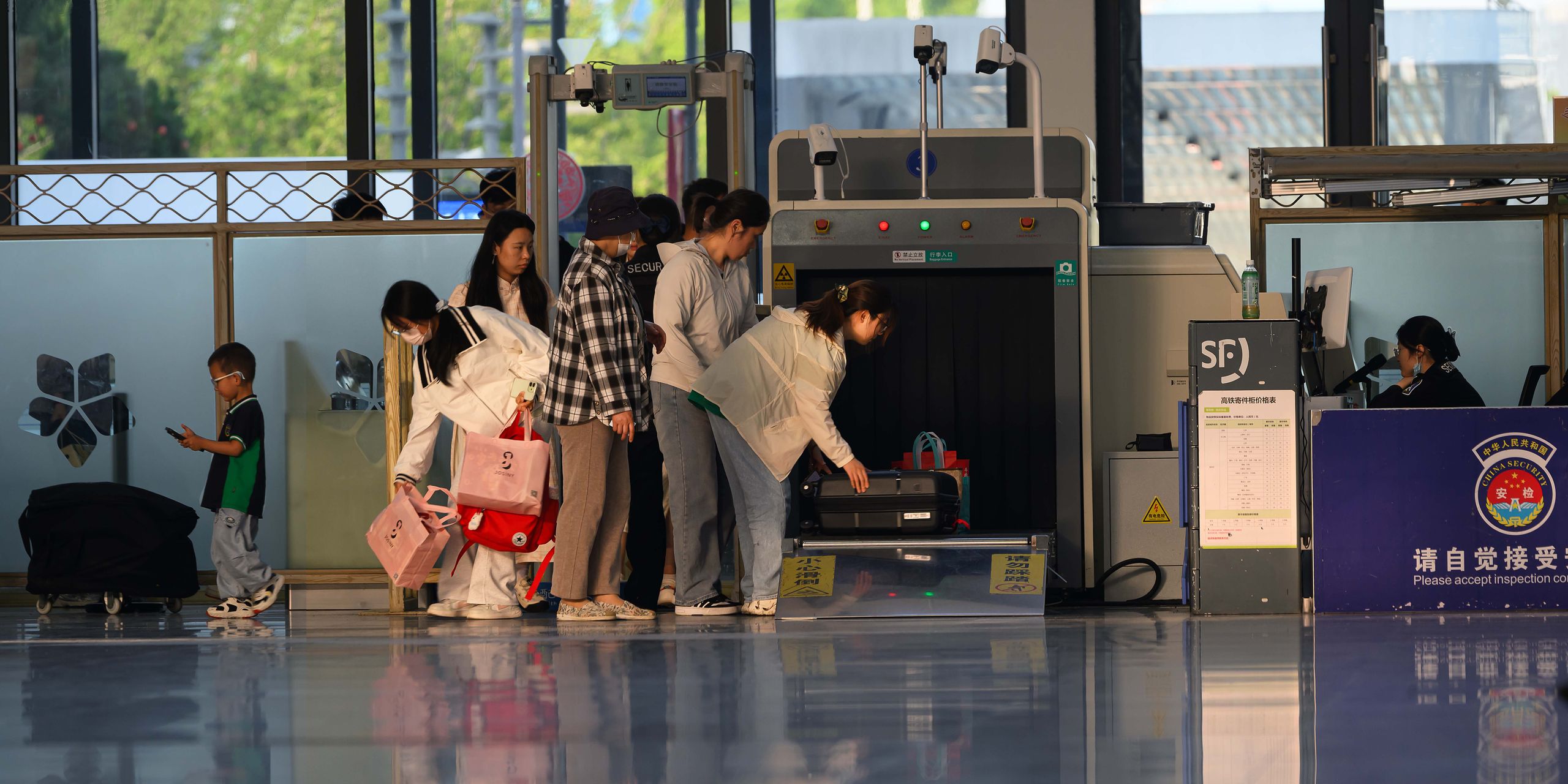
None of that means the weekend has to be miserable. A few habits consistently shave real time off the checkpoint wait. Arrive with a two-hour cushion before domestic boarding — volume spikes hardest between 4 and 9 a.m. and again in early evening, so a mid-morning or late-night departure sidesteps the worst of it. TSA PreCheck travelers move through a separate, faster lane and skip removing shoes, belts, and laptops, which matters most on days like this, when standard lanes absorb record volume. Pack liquids and electronics where they’re easy to pull out, since one bag flagged for secondary screening can cost several minutes on its own. And checking the specific terminal’s wait pattern the morning of departure, rather than assuming every checkpoint is equally slammed, avoids arriving absurdly early to a lane that’s actually moving fine.
The bigger story is structural: air travel demand has been setting records on an almost rolling basis for more than a year now, and Labor Day 2026 is positioned to be the latest data point in that streak rather than an outlier.