You pay for travel insurance because you want one thing: peace of mind. Then something goes wrong, you file a claim, and a polite letter explains that your situation falls into an exclusion you never noticed. It is one of the most common frustrations in travel, and almost all of it comes down to fine print that was available the whole time.
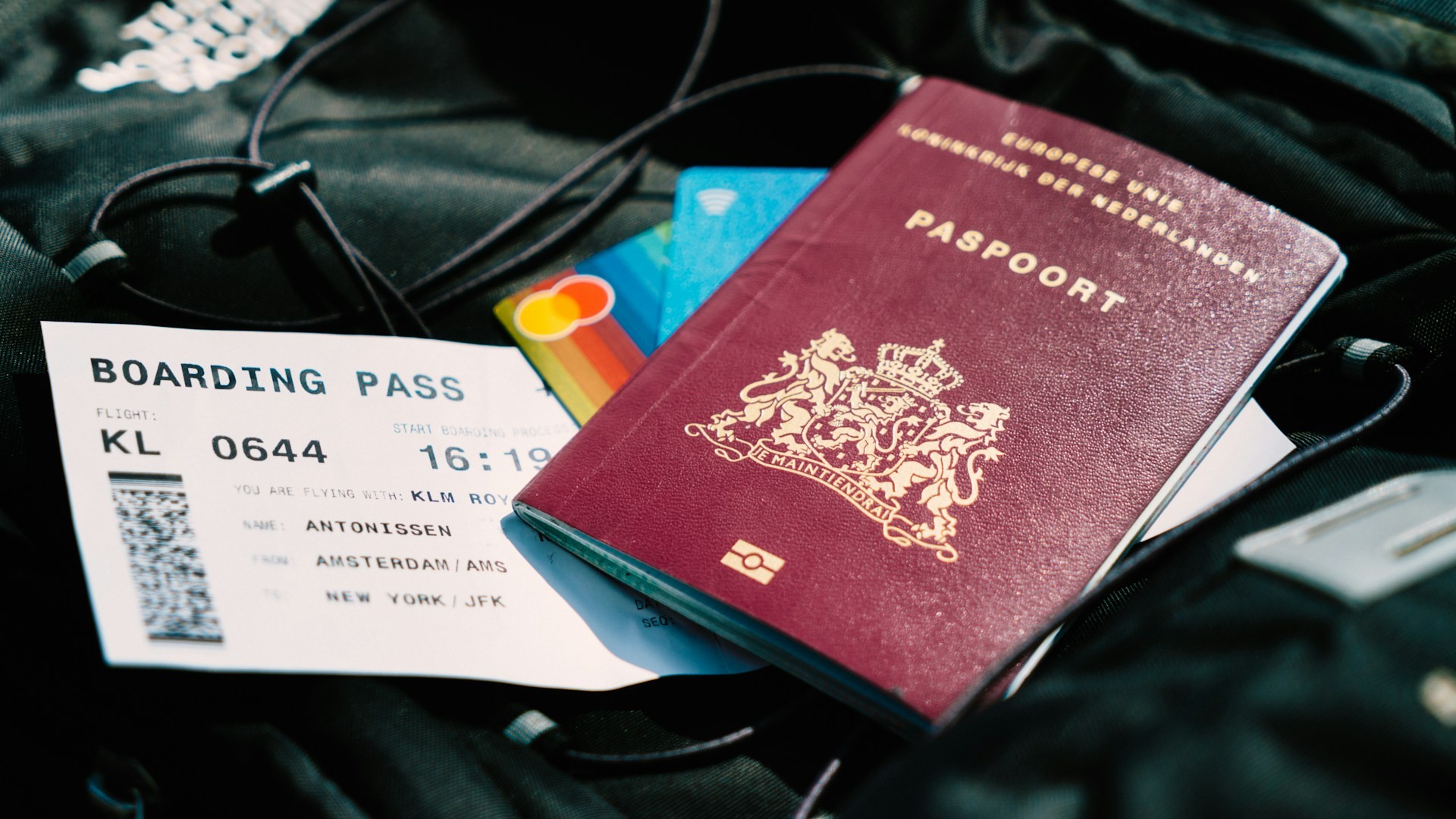
Policies differ a great deal from one company and one plan to the next, so no single article can tell you what your policy covers. What it can do is show you the places where travelers are most often caught off guard, so you know exactly where to look before you hand over your credit card.
Think of this as a reading list. Pull up the policy documents for any plan you are considering, find the sections below, and read them slowly. It is dull work, but it takes far less time than arguing over a denied claim.
1. Pre-existing condition clauses
This is the big one. Many policies include a clause about pre-existing conditions, which generally means a health issue you already had before you bought the plan. Policies define the term in their own way, and the details matter: some look back over a set period before your purchase date, and some only waive the clause if you meet certain conditions, such as buying soon after your first trip payment.
Read the exact definition in your policy, not a summary on a sales page. If you or a travel companion, or even a family member back home whose situation could force you to cancel, has any ongoing health matter, ask the insurer directly how the clause would apply, and get the answer in writing. Here, illness is only an insurance question: what the contract will and will not pay for.
2. The limits on cancel for any reason coverage
Cancel for any reason coverage, often shortened to CFAR, sounds like the answer to every worry. Change your mind, stay home, collect your money. In practice it comes with strings. It is usually an optional upgrade that costs extra, and it typically reimburses only part of your trip cost, not all of it. There are also usually conditions about how soon after your first trip payment you must add it, and how far ahead of departure you must cancel.
Before paying for the upgrade, find three things in the policy: how much of your cost comes back, the deadline to buy it, and the deadline to cancel under it. If you miss either date, the coverage may simply not apply.
3. Purchase deadlines hidden in the schedule
Some of the best protections only work if you buy the policy within a window after you make your first deposit or payment on the trip. Wait too long and certain benefits may be removed or reduced. Many travelers shop for insurance the week before they leave, which can quietly cost them coverage they could have had.
The simple fix is to look at insurance on the same day you book the trip, not just before departure. Even if you do not buy right then, you will know which deadlines are ticking.
4. A short list of covered reasons
Standard trip cancellation coverage usually pays only for reasons named in the policy. That list may include things like a covered illness or injury, certain severe weather events, or a few other listed situations. If your reason is not on the list, the claim can be denied, even if the reason felt perfectly serious to you.
Notice what is commonly left off: simply changing your mind, being nervous about travel, or finding a cheaper deal elsewhere. Read the list of covered reasons line by line and ask yourself honestly whether the things most likely to derail your trip are actually on it.
5. Exclusions for events you could see coming
Many policies exclude events that were already known or foreseeable at the time you bought the plan. If a storm has already been given a name, or a situation is already in the news when you purchase, coverage for that specific event may be limited or unavailable. Buying coverage after a problem is on the horizon is a common way to end up with a denial.
Look for words such as foreseeable, known event or named storm in the exclusions section, and note the date the policy treats as the start of coverage.
6. Caps, paperwork and who pays first
Even when a claim is covered, there are usually dollar caps on each type of benefit, and many benefits require documentation. You may need receipts, written proof from a provider or a carrier, and proof of the date something happened. Some benefits are described as secondary, which means other insurance you have pays first and the travel policy picks up what is left.
Before you leave, find the claim filing deadline and the contact number for emergencies. Keep your receipts together, and take photos of important documents so they are saved if a bag goes missing.
How to read a policy without getting lost
- Ask for the full policy document, not just the brochure, and read the definitions page first.
- Highlight every deadline, then put them on your calendar.
- Write down your own list of what could realistically go wrong, and check each item against the covered reasons.
- Email the insurer any question you have, so the answer is on record.
- Some plans give you a window after purchase to review the policy and cancel for a refund. Check whether yours does, and use that time to read.
Travel insurance can be very worth having. The goal is not to scare you away from it. The goal is to make sure the plan you buy matches the trip you are actually taking, and that no surprise is waiting in paragraph nine of a document nobody reads.
More Stories You May Like
- Hibachi Chef Sees the Most Expensive Hibachi in New York and Says Too Much Butter and Burnt Scallops Are Not Worth That Price
- She Says Her Grandmother’s Usual Cracker Barrel Fried Chicken Sandwich Tasted Like Fish And The Manager Told Them It Is Fried In The Same Oil
- Man Spends the Most Money He Has Ever Spent at Costco and Shows the Grocery Bill for the Week