When you pay a premium for dinner and a show, you expect both to be done right. A hibachi chef who goes by @brad_podray decided to see how a famously pricey New York hibachi experience holds up when a working professional takes a close look. His verdict, delivered in about half a minute, is not kind: too much butter, odd knife work, an under seasoned steak and scallops that he says were burnt.
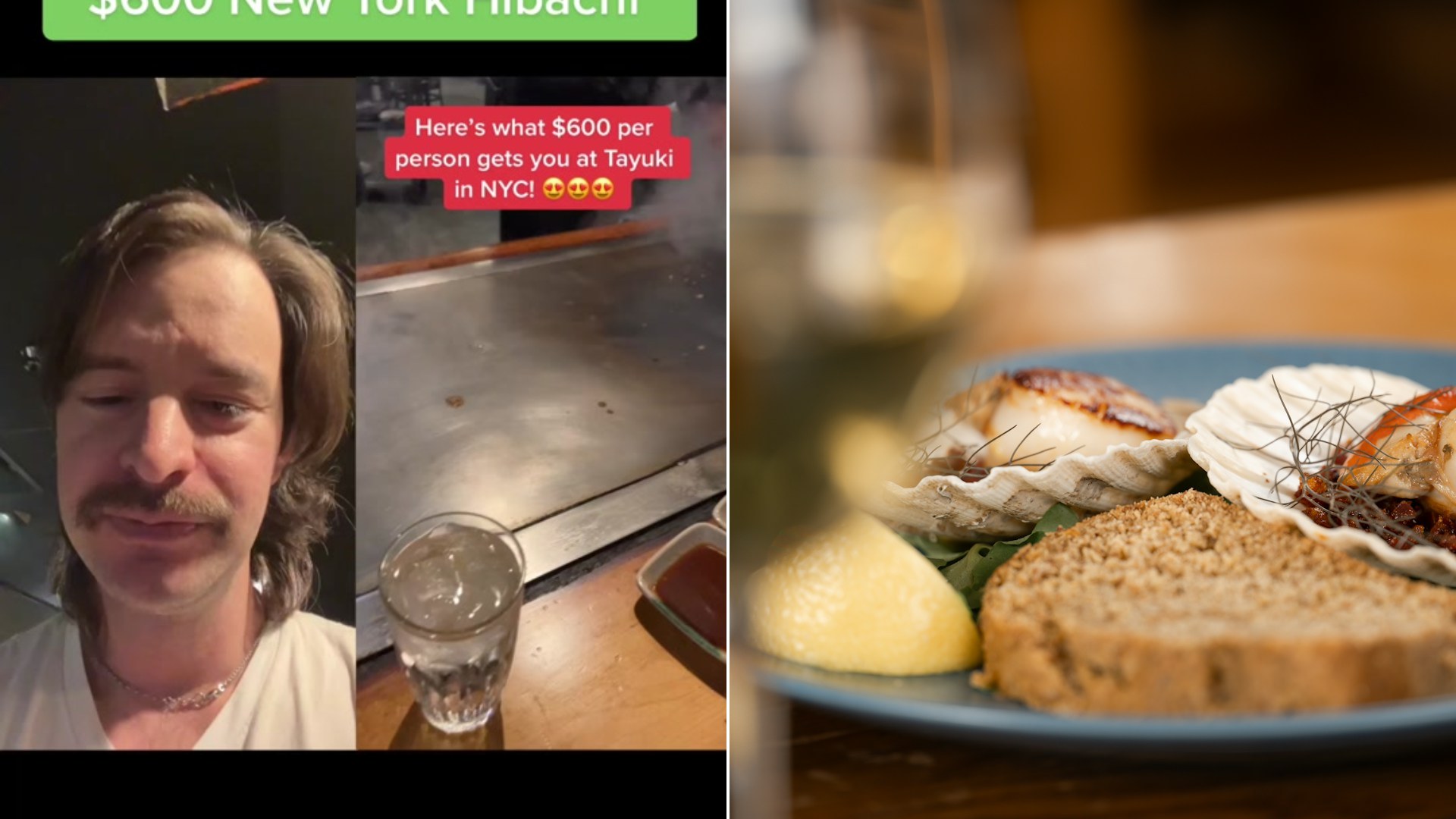
His caption is short and to the point: “Hibachi chef reacts to ‘most expensive hibachi in New York.’” The recording does not make a case against any one person. It is simply a trained cook sharing what he sees, which makes it a fun way to learn what separates a good hibachi meal from a merely expensive one.
@brad_podray
A Professional Takes a Look
He sets himself up as a professional and says he wants to see how the chef on screen handles things. From there, his reactions come quickly. The first thing he notes is that this is not how he would do it. Then he moves through the meal piece by piece.
- The butter. He says there is way too much of it. Butter is a hallmark of hibachi cooking, but he suggests a lighter hand.
- The cutting. He thinks the chef is cutting some of the food in a strange way and says he would not have done it like that.
- The shrimp. He warns that the cooking method will cost you all of the flavor in the shrimp.
- The steak. To his eye, the steak is under seasoned, and he says he would definitely not do it that way.
- The technique. He calls it improper technique overall and says he would not spin the knife that way.
- The scallops. He calls this a definitely bad job, says the scallops are burnt and says they are worthless.
It is a lot of critique for 36 seconds, and he ends on a blunt note that is not fit to repeat. To be fair, this is one chef’s opinion based on a short look at someone else’s work, and the recording does not tell us everything about the meal, the ingredients or the setting. Still, the specific complaints he lists are worth understanding, because they apply to any hibachi dinner you might order.
A Quick Look at Where Hibachi Style Dining Comes From
Many Americans picture the sizzling grill, the flying shrimp tail and the onion volcano when they hear the word hibachi. What most of us are actually eating is more accurately called teppanyaki. According to Wikipedia’s entry on Benihana, teppanyaki is a meal cooked on a steel griddle at a table in front of guests, prepared theatrically by a chef. The word teppan means steel grill or griddle, and yaki means grilled or broiled. The concept started in Japan in the late 1940s, and the Benihana family introduced it to the United States.
The first American Benihana opened in 1964 on West 56th Street in New York City, started by Hiroaki “Rocky” Aoki, who was 25 at the time. That means New York has been the home of this kind of dinner theater for well over half a century, and it explains why diners there have strong feelings about what a proper hibachi meal should look like. Traditionally, a hibachi is a small Japanese heating brazier, but in American restaurants the word has come to mean the whole sizzling table experience.
Why Scallops Are So Easy to Ruin
Of all his complaints, the scallops may be the most telling, because scallops punish a rushed cook. They are small, they hold a lot of moisture and they go from perfect to rubbery in moments. America’s Test Kitchen’s cheat sheet for seared scallops lays out the basics, and they sound like a checklist for avoiding the problem he describes.
- Start cold and dry. Keep the scallops very cold, and pat them dry by resting them between two clean towels for about ten minutes. Moisture prevents browning.
- Do not crowd the pan. If you have a lot of scallops, cook them in batches.
- Get the pan hot. The skillet should be hot, and the oil should be smoking before the scallops go in. Season both sides with salt and pepper.
- Be patient on the first side. Sear the flat side without moving it for about a minute and a half to two minutes, until deeply browned.
- Finish with butter. Flip, add about a tablespoon of butter and baste for another 30 to 90 seconds. The centers should be opaque and reach 115 degrees.
Notice how short those times are. A scallop that spends too long on a very hot griddle, especially one with a lot of butter, can scorch on the outside long before it is properly done. That is the sort of thing a trained eye notices right away.
How to Judge a Pricey Hibachi Dinner
You do not need to be a professional to decide whether a premium hibachi dinner is worth the money. A few things are worth watching for the next time you sit down at a grill.
- Taste the seasoning. A good steak should taste seasoned all the way through, not just salty on top. If it tastes flat, the cook may have held back.
- Look for color, not char. Golden brown on shrimp and scallops is a good sign. Black edges are not.
- Notice the butter. A little adds richness. A lot can swamp delicate seafood and leave everything tasting the same.
- Watch the timing. Shrimp turn tough quickly, so if they sit on the grill too long while the chef performs, ask politely for the next batch to be taken off sooner.
- Remember the show. Part of what you are paying for is entertainment. If the spinning knives and the flaming onion make you smile, that has real value, but it should never replace well cooked food.
- Ask what is included. At a high price, find out in advance whether the meal covers soup, salad, fried rice and vegetables, so the final bill holds no surprises.
Price Is Not the Same as Quality
The larger lesson here is one many of us already know. A high price tag promises a great meal, but it does not guarantee one. When a restaurant charges more, diners rightly expect better ingredients, careful technique and consistency. The chef in this recording clearly feels that the dish he was watching fell short of that standard, and he said so plainly.
You can apply the same test at home or at your favorite local grill. Ask yourself whether the food tastes better than what you could make yourself, and whether the experience feels worth the extra money. If the answer is yes, enjoy every bite. If not, a more modest place with a skilled cook and a hot griddle may serve you far better.