

Next time a payment screen asks you for a twenty percent tip on a cup of coffee you poured yourself, here is a thought to chew on. There was a time in this country when leaving a tip was not just optional. It was considered an insult to the American way of life, and some states went so far as to make it against the law.
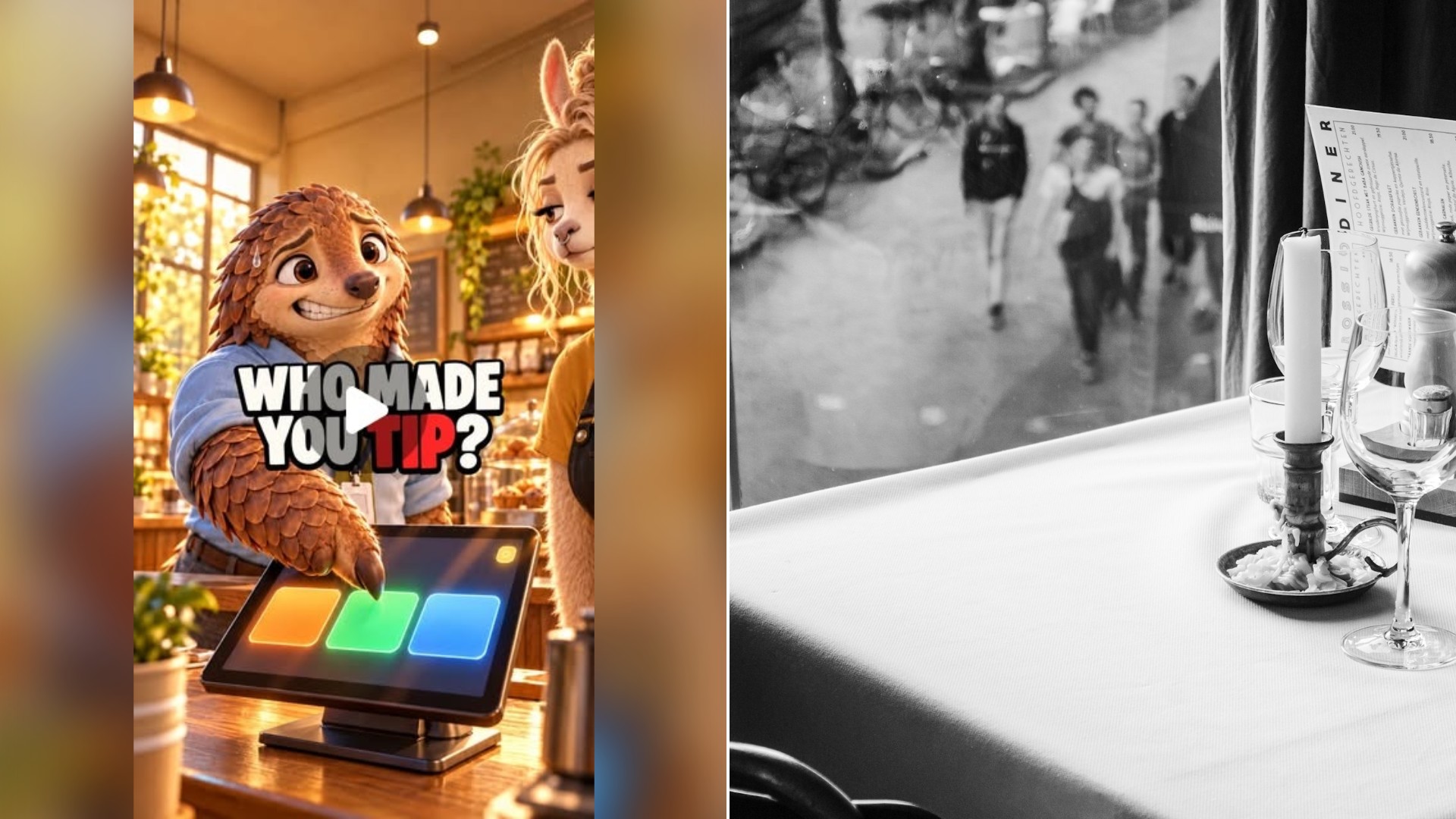
That is the story behind a popular Instagram post from @blackfeathertruths, which opens with a pointed question: tipping used to be illegal in some US states, so who made it expected?
The post says that after the Civil War, Americans called tipping un-American, and that by 1926 every anti-tipping law was gone. It also points out that the federal tipped wage has sat at 2.13 dollars an hour since 1991. Then it lands on a message and a question for the comments: tip the people who serve you, do not let a screen guilt you, and be honest, do you tip at self-checkout?
View this post on Instagram
When Tipping Was Seen as Un-American
The history is real, and it is more interesting than most of us learned in school. Tipping came to America from Europe, and it spread in the years after the Civil War. A lot of Americans did not like it one bit. The complaint was that handing someone extra money for a service created a servant class in a country that was supposed to have thrown off that kind of thing. Tipping, critics said, did not belong in a democracy.
One of the best known critics was William R. Scott, who wrote a 1916 book called The Itching Palm. Scott went after the habit hard and described the many Americans who earned their living from tips as suffering from a moral malady. In other words, the people who took tips were just as much a problem, in his view, as the people who gave them.
The Laws That Tried to Stop It
The feeling was strong enough to turn into legislation. Several states passed laws against tipping. In 1915, Iowa, South Carolina and Tennessee all passed anti-tipping measures, and other states, including Washington, Mississippi and Arkansas, had already passed similar bills. These were not tiny local rules. They were state laws meant to stamp the practice out.
It did not work. By 1926, all of those laws had been repealed. The main reason historians point to is simple: they were nearly impossible to enforce. Tipping had already built up a momentum of its own, and nobody was going to police every nickel left on a table.
The 2.13 Dollar Wage
The other number in the post is the one that surprises people most. The federal minimum wage for tipped workers is 2.13 dollars an hour, and it has not been raised since 1991. That figure is real and well documented. The idea behind it is that tips are supposed to make up the difference between that low base pay and the regular minimum wage. If a worker’s tips do not get them there, the employer is supposed to cover the gap.
Many states set their own, higher base pay for tipped workers, so what a server actually earns per hour before tips depends on where they live. But in places that follow the federal number, a server’s paycheck can be tiny, and tips are the real wages. That is a big part of why tipping feels less like a bonus and more like a requirement today.
So How Should You Tip Today?
The post lands on a sensible principle: tip the people who serve you, and do not let a screen guilt you into it. Here is how to put that into practice without feeling pushed around.
- At a sit-down restaurant where a server brings your food, refills your drinks and checks on you, tipping is the standard way those workers get paid. Plan on it as part of the cost of the meal.
- When a tablet is turned around at a counter, take a breath. You are allowed to pick a smaller amount, choose a custom tip, or skip it. Tip based on the service you actually got, not on how the screen makes you feel.
- At self-checkout, there is no one serving you, so there is no one to tip. If the machine asks, you can decline without a second thought.
- Look at the bill before you add to it. Some places already add a service charge, especially for large groups, and you do not need to pay twice.
Why the Post Struck a Nerve
The reason this post pulled in thousands of likes and hundreds of comments is the question at the end. Almost everyone has stood in front of a payment screen feeling a little squeezed. A lot of people feel that tipping has crept into places it never used to be, and the post gives them permission to talk about it.
The history is a good reminder that this argument is not new. Americans fought about tipping a century ago, and they are still fighting about it. What changed is not the debate. It is the screen in your face while you decide.
So go ahead and tip generously when someone earns it at your table. And when a machine asks you for money for pressing a button, you are free to say no.
More Stories You May Like
- Shopper Tracked the Same 20 Groceries at 20 Portland Stores Every Month for 13 Months, and Then WinCo Lost Its Cheapest Store Crown by Just 21 Cents
- Wedding Guests Are Being Told to Put Their Phones in Pouches That Cover the Cameras Before They Can Walk In, and People Are Split on Whether They Would
- Man Spends the Most Money He Has Ever Spent at Costco and Shows the Grocery Bill for the Week
