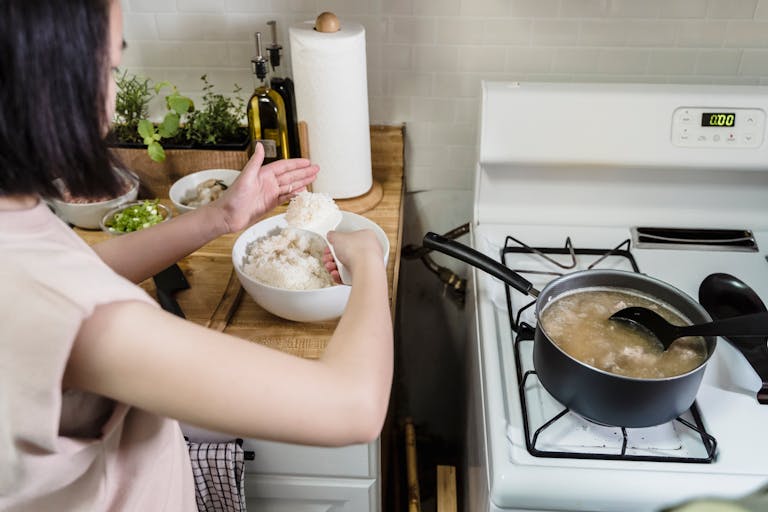
Open your refrigerator door and look at the dates. Somewhere in there is a carton or jar with a date on it that has just passed. Your hand goes straight for the trash can. Plenty of households do the same thing every week, and in many cases, they are tossing food that was perfectly fine.
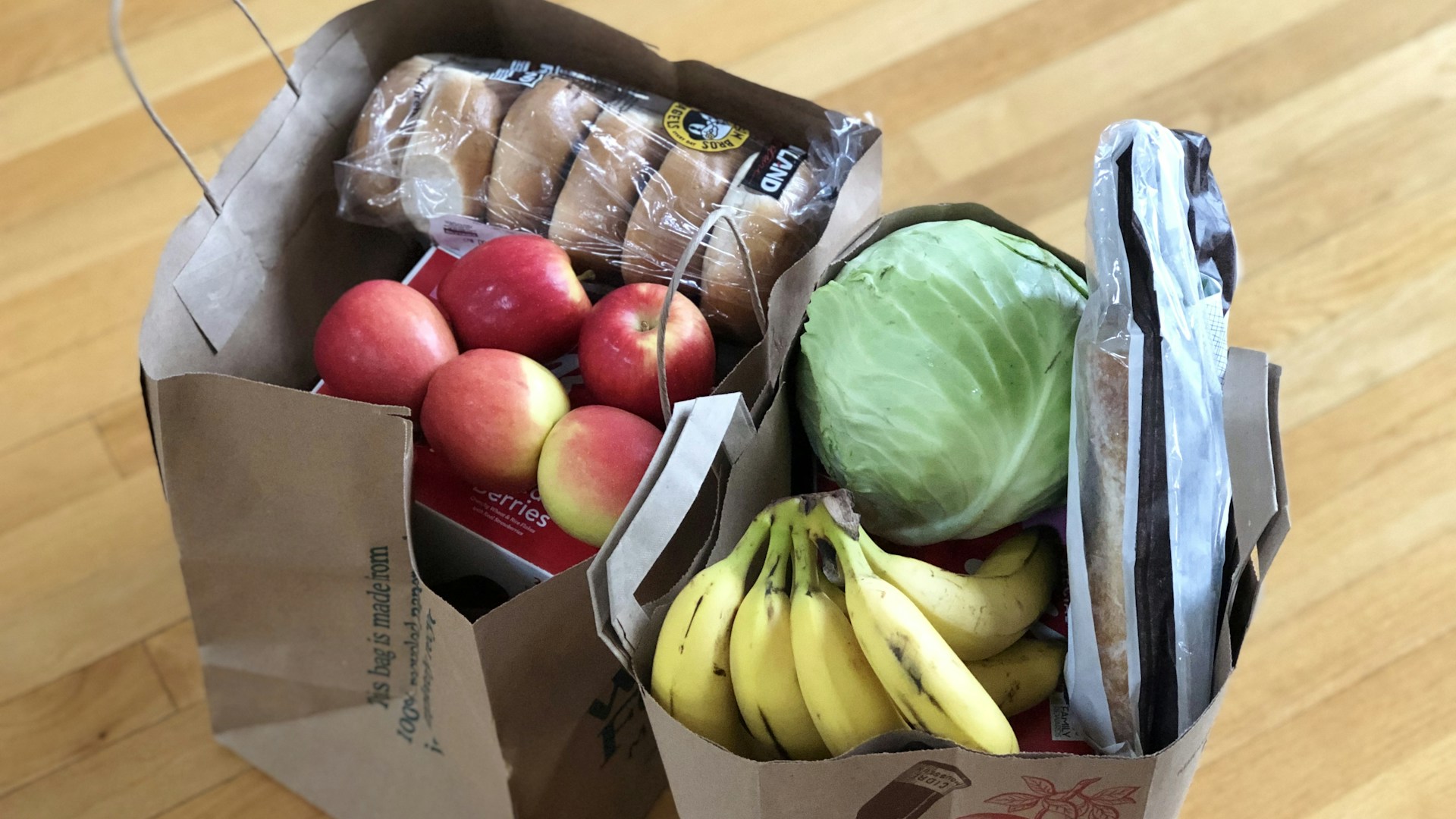
Here is the surprise that changes how many people shop. For most foods, the date on the package is about quality, not safety. In the United States, federal law does not require date labels on most foods, with infant formula as a notable exception. The phrases you see, such as best by, use by and sell by, are mainly the manufacturer’s estimate of when the product tastes its best.
That does not mean you should ignore dates altogether. It means you should learn what they say and then use your own good judgment. Here are seven foods that people often throw out too soon.
What the labels really mean
A best by date suggests when a product will have its top flavor or texture. A sell by date is a note for the store about stocking. A use by date is the last day the maker recommends for peak quality. For most foods, none of these is a safety deadline. A product handled and stored properly can often be perfectly fine after the date, though it may not be at its absolute best.
The big exception is infant formula, which is a serious matter. Never feed a baby formula past its use by date, and never use formula from a damaged container.
1. Canned goods
Canned soup, beans, vegetables and tuna are shelf stable, and the date is about quality. Properly stored, undamaged cans are generally safe well beyond the printed date, though the flavor and texture may fade over time. The warning signs are the real test: a can that is bulging, leaking, deeply dented or rusted should go in the trash without being opened or tasted.
2. Dry pasta and rice
These pantry staples are dry and shelf stable, so the date is about freshness. Keep them in a cool, dry place in a sealed container. If they are dry, free of bugs and moisture, and have no off smell, they are generally good to cook.
3. Frozen foods
USDA guidance says that food kept frozen continuously is safe indefinitely. The catch is quality. Over time, freezer burn and flavor loss can set in, so the food may taste worse, but it does not become unsafe just because the calendar moved on. Wrap food well, and use the oldest items first.
4. Hard cheese
Hard cheeses are lower in moisture, and mold does not penetrate them as easily as it does soft cheeses. If a block of cheddar or Parmesan grows a small patch of mold, USDA guidance is that you can cut away the moldy area with a generous margin around it, being careful not to touch the knife to the mold, and keep the rest. This does not apply to soft cheeses, shredded cheese or cheese slices, which should be thrown out when moldy.
5. Yogurt
Yogurt is a fermented food that is often fine for a short while past its date if it has been kept cold the whole time. Use your eyes and nose. Off smells, unusual colors, or a lot of mold mean it goes in the trash. A bit of watery liquid on top is usually just whey that has separated.
6. Crackers, chips and cereal
When these go past their date, what you notice is that they get stale, which is a quality problem, not a safety one. A quick spell in a warm oven can often bring crackers and chips back to life. Toss them if they smell odd, taste rancid or show signs of moisture, mold or pests.
7. Honey
Honey is so low in moisture that it keeps for a very long time, and it often crystallizes with age. Crystals are not a sign that it has gone bad. Warm the jar gently in a bowl of warm water and stir, and it turns smooth again. Do keep in mind that honey should never be given to babies under one year old, regardless of any date.
Foods where you should be more careful
Dates deserve more respect with some foods. Ready to eat deli meats, soft cheeses, raw meat and poultry, seafood and other highly perishable items can carry a higher risk once they have been open or stored too long, and some people, including pregnant women, older adults and anyone with a weakened immune system, need to be especially careful with them. For those foods, follow the date and the storage directions on the label closely, and when you are not sure, do not take the chance.
How to judge food like a pro
- Store food properly. Keep your refrigerator cold and your pantry cool and dry.
- Check for visible mold, strange smells, slime or a changed texture.
- Write the date you opened a product directly on the package.
- Rotate your stock so the oldest food gets used first.
- When you cannot decide, look up the specific food in the federal government’s food safety guidance before tossing it.
Every item you throw out too soon is money in the garbage. Learning what a date really means can quietly trim your grocery bill, all without taking any risks that matter.
More Stories You May Like
- Guest Spends a Night at the Ritz Carlton Paris and Finds It Old Looking Expensive and Short on Customer Service
- Man Shares His Two Cents on American Tipping Culture and Why He Thinks the System Has Gotten Out of Hand
- Costco Shopper in Irvine Finds the Rice She Bought Was Infested with Bugs and Shows What She Found Inside the Bag