

You order a black coffee. The person behind the counter pours it from the pot into a cup. Then they flip a screen toward you and say, “It’s going to ask you a couple of questions.” You know exactly what the first question is. So does everyone else in line.
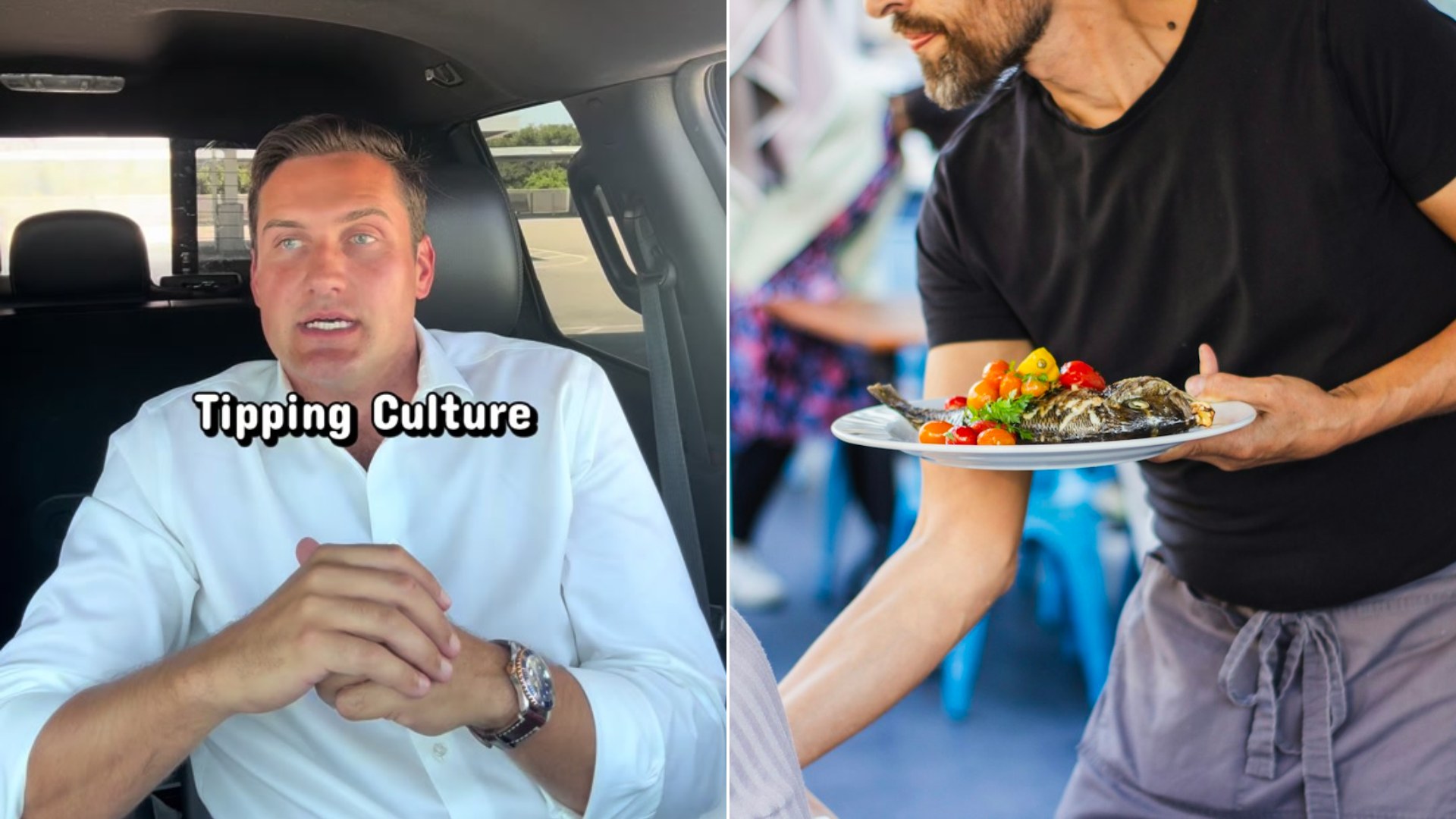
That small moment is what set off @kylewilemon77. He says tipping culture in America is getting out of hand, and he has a word for it: an epidemic.
@kylewilemon77
From the Coffee Shop to the Tire Shop
His first example was a coffee shop. He ordered his coffee black, joking that he was not loved as a child, so that is how he takes it. The employee took the cup, filled it from the pot, and turned the screen around. No problem there, he said, until the tipping prompt popped up. As he put it, everyone knows the question is coming, and nobody is fooled.
His second example was even bolder. He went to buy new tires for his truck and the shop turned the screen around there too, asking whether he would like to leave a tip. His answer was no, not at all. Not everything, he said, deserves a tip.
Then came his best line. In his view, the only thing that screen should be asking is whether the total is correct. Or, as he put it with a wink: did we price gouge you for these tires? Yes, you did.
Why So Many People Feel the Same Way
The creator is far from alone. The rise of tablet and keypad checkout systems has put a tip prompt in front of customers in places where a tip used to be unusual: bakeries, takeout counters, convenience stores, even self-checkout kiosks. The prompt often appears before you have received any service at all, and it frequently offers suggested amounts like 18, 20, or 25 percent as the first choices on the screen.
That design does something to the moment. Instead of a private decision made at the table with a pen, it becomes a quick public choice with a worker standing a few feet away watching. Many people say that pressure is the real problem. They are not necessarily against tipping. They are against being put on the spot.
It is also fair to remember that employees at those counters usually did not design the screens. They are often just following the setup their employer chose. Most of them would probably rather not have an awkward standoff at the register either.
Where Tipping Makes Sense and Where It Does Not
There is no official rulebook for tipping, which is part of why people argue about it. But there are some common guidelines that can help you decide what feels right.
- Table service is where tipping matters most. At a sit-down restaurant, servers often earn a low base wage and rely on tips for much of their pay. A customary tip there is around 15 to 20 percent.
- Counter service is a judgment call. A dollar for a complicated drink order or a special request is a kind gesture, not an obligation. Many people skip it for a simple pour-and-go coffee.
- Retail and repair work is different. A tire shop, an oil change, or a hardware store is typically a service with a set price, where labor costs are meant to be built into what you pay. Tipping there is not traditional, and you should not feel bad about declining.
- Big jobs and unusual effort can be exceptions. If a tradesperson goes well beyond the call of duty, a thank-you tip is welcome. It should always be your choice.
How to Handle the Screen Without the Awkwardness
If you are tired of dreading the moment the screen turns around, a few simple habits can make it easier.
- Decide in advance. Pick your own rules before you walk in. For example, tip at table service, tip a little for a big order, and skip it for simple pickups. When you have a rule, the screen is not a decision anymore.
- Look for the “no tip” or “custom” button. It is often in a corner or under the larger suggested amounts. You do not have to pick one of the big buttons.
- Be polite. A friendly “no, thank you” and a smile keeps things pleasant. The person across the counter is just doing their job.
- Check your total before you pay. The creator’s joke about price gouging has a serious side. Look at the receipt and make sure the charges are right, whatever you decide about a tip.
- Tip well where it counts. If you skip tipping at the tire shop, you can leave a bigger tip at a restaurant where a server earned it. That is often a better use of your generosity.
What the Complaint Really Says
Strip away the jokes, and @kylewilemon77 is making a point that many customers feel but few say out loud: a tip is supposed to be a thank-you for good service, not an automatic add-on to every purchase. When tips start to feel like part of the price, they stop feeling like a gift, and people notice.
That feeling is sometimes called tipping fatigue, and it is why so many shoppers now hesitate at checkout. Businesses that want to keep customers happy might take the hint. A clean receipt, a fair price, and a screen that asks only whether the total is right could be the most welcome change at the counter.
More Stories You May Like
- Jersey Mike’s Employee Told a Rude Customer to Leave After She Demanded a Half Sandwich and Threatened to Sue the Store
- Restaurant Owner Says an Influencer Praised Her Food to Their Faces and Left a 6 Dollar Tip on 200 Dollars Before Trashing Them Online
- Diner Let His Texas Roadhouse Waitress Choose His Entire Meal, and While the Steak Was a Total Letdown, One Surprise Pick Ended Up Saving the Whole Night

