Picture this. You are strolling a sunny port town, sipping something cold, feeling like you have all the time in the world. Your phone says you have an hour to spare before the ship sails. Your phone is wrong. And the ship does not wait for your phone.
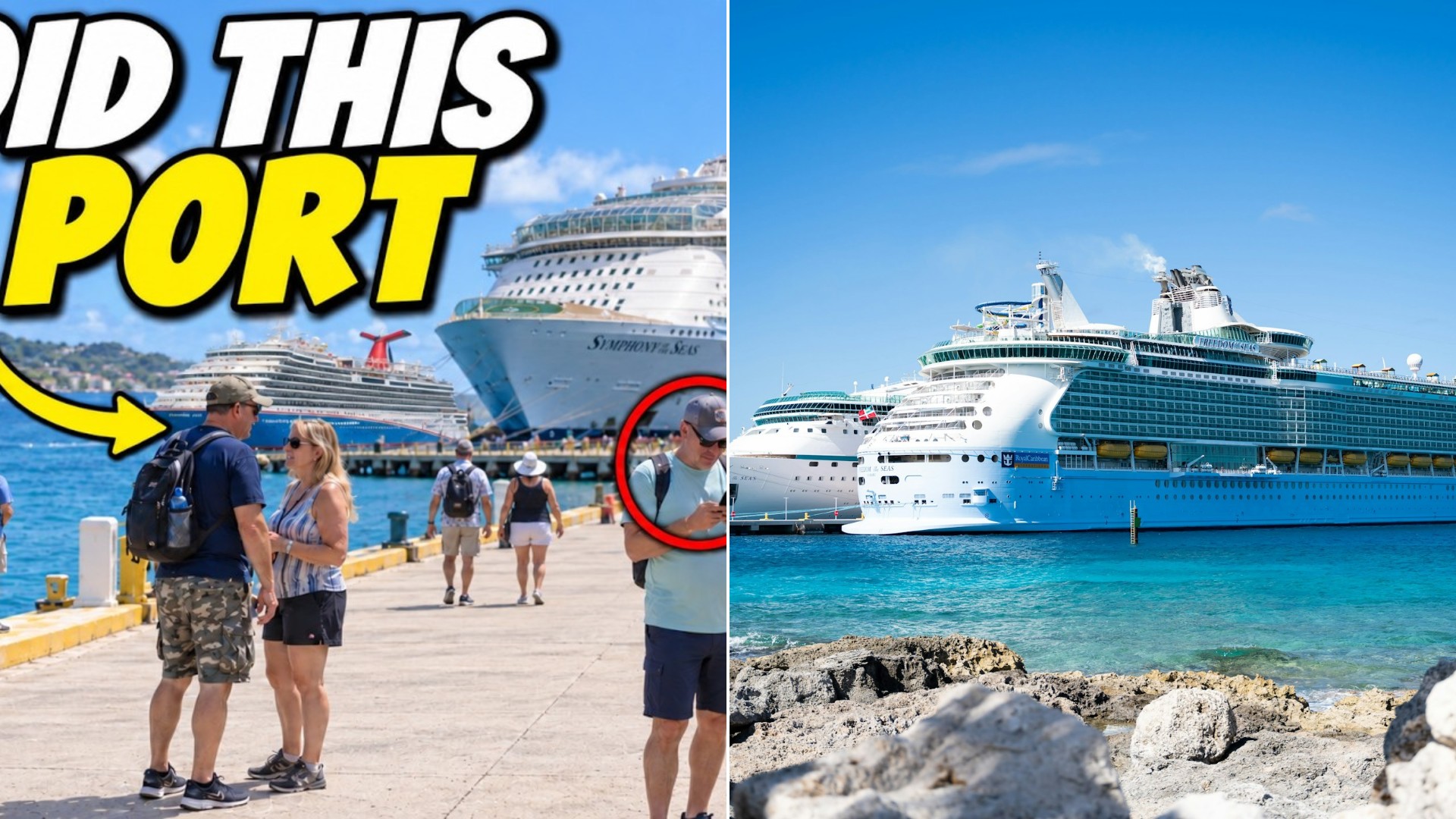
That is the trap a pair of veteran cruisers want you to avoid. The team behind Eat Sleep Cruise says that after more than 20 years of sailing and hundreds of port stops, one setting tops their list of things they do differently now: they turn their phone’s date and time to manual as soon as they board.
The reason is simple. A phone left on automatic can jump to local time the moment it picks up a signal in port. Depending on the itinerary, local time may not match the ship’s time, and the all-aboard deadline is always set by the ship’s clock. Mix the two up, they warn, and you could show up an hour later than you thought.
Do not cut it close
Even with your phone on the right time, they say do not plan to arrive at the last minute. They have seen plenty of passengers running down the pier as the ship got ready to leave, and they have had a few rough days themselves when traffic or unexpected delays ate into their buffer. Their rule now is to aim to be back 30 to 60 minutes before all-aboard, and to give themselves even more time if they are exploring farther from the ship.
Two small habits help. Double-check the all-aboard time before you step off, and take a screenshot of it so there is no confusion later. If you are on a tour sold by the cruise line, they note the ship usually waits if that tour runs late, so there is less to worry about. But you still need to know the deadline if you plan to do something afterward.
Know where your ship actually is
It sounds obvious, but they point out that some ports have more than one cruise terminal, and in bigger cities, telling a taxi driver the name of your cruise line or ship may not be enough. Write down the pier name, terminal and address before you go. Most lines print it in the daily schedule, or you can ask at guest services. Save any port authority or emergency number the cruise line provides, too, since calling the line’s 800 number from a foreign port is not going to help much.
Pack the day bag the night before
With a tour at 7 or 8 in the morning, the last thing you want is to be scrambling. They prepare their day bag the night before, and even if it is packed from the last port, they review it, because what you need changes with the destination. Always bring your cruise card and proper identification, and check ahead whether you need your passport. Then add the basics for the day:
- Towels and towel clips for a beach day, plus sunscreen, sunglasses and a hat
- Closed-toe shoes or long pants if your excursion requires them
- Bottled water and any medication you might need
- A portable phone charger
- A light layer or rain gear, especially somewhere like Alaska where the weather can turn quickly
Do not feel you must book a tour at every stop
On their first cruises, they thought every port needed an excursion. They do not think that anymore. Besides the cost, especially in places like Alaska or Europe, back-to-back early mornings can start to feel like work. Their advice is to mix it up: pick a couple of bucket-list tours worth the money, explore some ports on your own, and let other days be easy. They even suggest that, depending on the itinerary, it can be fine to stay on board at a port you have visited before or where nothing calls to you. They say the pool deck is usually quieter, venues are less crowded, and many lines run port-day specials.
They also tell people to compare tour options instead of automatically booking through the cruise line. Independent operators may offer smaller groups or different itineraries, and sometimes better prices. But on a short port day or for a long trip from the ship, they sometimes still choose the cruise line for the peace of mind. And they warn against overscheduling: one or two things that matter most, with room to breathe, beats a day spent watching the clock.
Plan for no signal and a little cash
Do not assume your phone will work everywhere you go. Check with your carrier about international coverage, and before leaving the ship, download offline maps, save your excursion tickets and meeting point, and screenshot the day’s schedule. An offline translation app helps if there is a language barrier. They also carry a small amount of local currency, or US dollars where those are commonly accepted, along with a credit card that has no foreign transaction fee. Not a huge amount, just a backup for small vendors, taxis and tips.
Rules, dress codes and what you can carry
Some religious sites require covered shoulders or knees, and some destinations restrict camouflage clothing, so check before you go. They also caution that rules about taking food, plants and agricultural products off the ship vary by destination. Something as simple as slipping a piece of fresh fruit from the buffet into your bag could cause trouble, including fines that could run to hundreds of dollars. The same care applies on the way back, when there may be limits on food, alcohol or other purchases. If you are not sure, check instead of assuming. As for alcohol bought ashore, they say most lines hold it at the gangway and return it the night before you disembark.
Use common sense and find one local thing
Finally, they say you do not need to be nervous, just aware. Keep valuables secure, watch crowded areas, use reputable transportation, agree on a taxi fare before getting in if there is no meter, check what you are charged on a card, and steer clear of anyone offering a deal that sounds too good to be true. And to keep ports from blending together, find at least one thing specific to each place: a local dish, a historic site, a neighborhood. They say the port days they remember are the ones where they did something that could only happen there.
More Stories You May Like
- Family Checks Into a Hotel Room With Hardly Any Light Switches a Mystery Mark on the Mirror and a Microwave That Is Not Plugged In and Shares a Full Room Tour
- Woman Compares Her Old Eight Ounce Sunscreen Bottle to the New Six Ounce One That Costs More and Finds the Biodegradable and Cruelty Free Claims Gone From the Front Label
- Hotel Guests Who Simply Ask for a Corner Room or a High Floor at Check In Can Often Get Upgraded for Free and That Is Only the First Trick