You grab the same bottle off the shelf you have bought for years. The label looks the same, the price tag is a bit higher, and nothing seems off. Then you find the old bottle in the back of a storage unit and set the two side by side. One shopper did exactly that, and what she found has plenty of people nodding along.
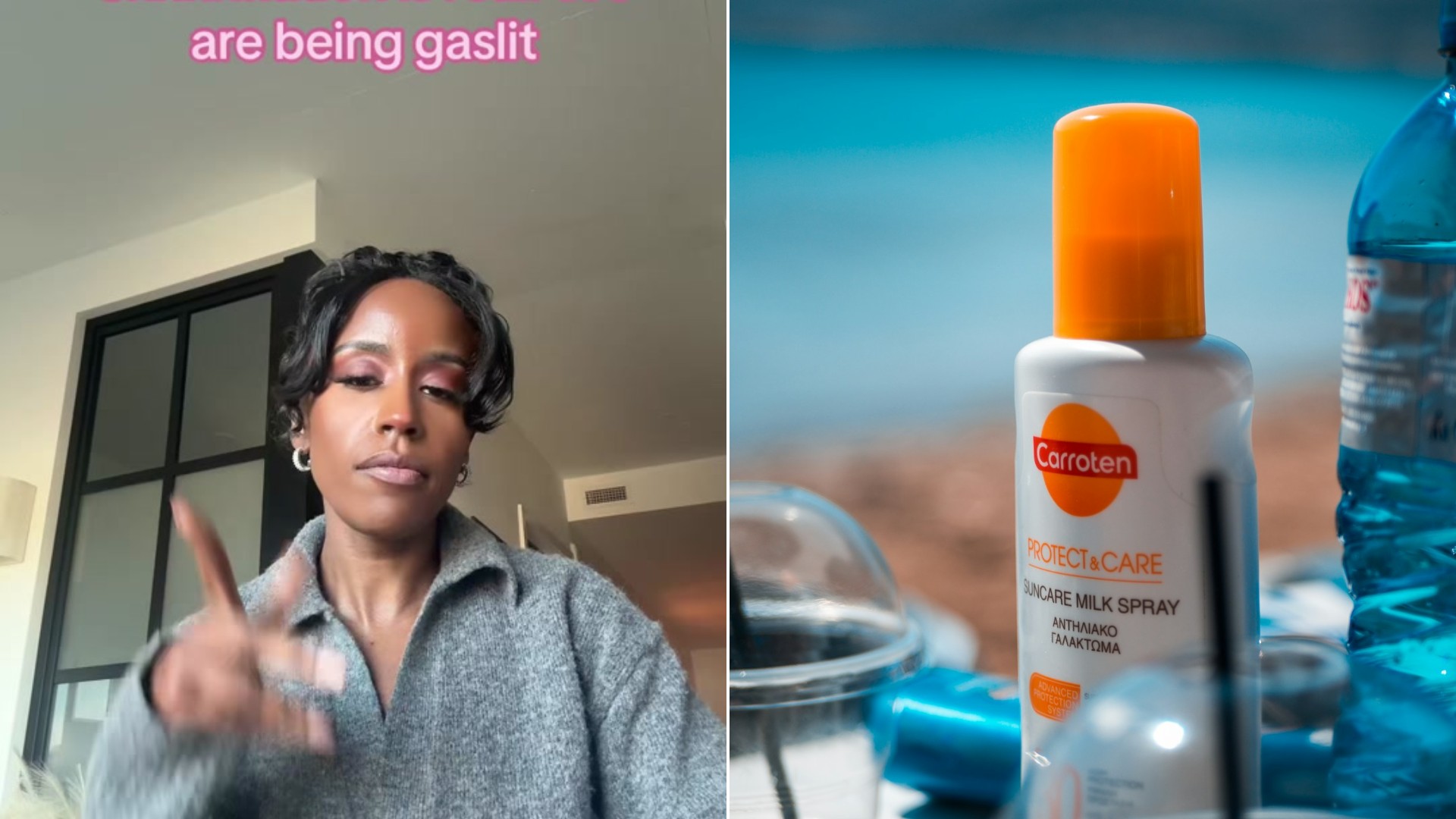
The shopper behind @bre.deshon calls it a perfectly clear-cut example of shrinkflation, the practice of selling you less product for the same or higher price. The product in question is the sunscreen she says she has used and loved for years.
She was cleaning out her storage unit when she came across an old bottle from a couple of years back. Then she compared it to one she bought only a week and a half earlier.
@bre.deshon
Eight ounces became six
The old bottle holds eight fluid ounces. The new one, the exact same sunscreen, holds six. She says that when she bought the old one years ago, it cost under ten dollars. For the new, smaller bottle she paid about fifteen. She is going by memory on the older price and says so, but the direction is clear: less in the bottle, more at the register.
That is a quarter less sunscreen, since six is three-quarters of eight, for a price she puts at more than fifty percent higher.
The front label changed too
The size was only part of it. On the front of the old bottle, she says, it read biodegradable and cruelty-free. The new bottle no longer says that on the front. The older one also stated up front that it was free of oxybenzone and another chemical she was not sure how to pronounce. None of that is on the front of the new one.
Looking at the two bottles in more detail, she notes the new one still says no oxybenzone, but the claim has moved to the back. The newer label also says no animal testing, no synthetic fragrances or artificial color, and no parabens, phthalates, sulfates or petroleum. But she points out that the front no longer makes the big promises it used to. Her conclusion, delivered with a sigh, is that we are being charged more for less. To be fair, the bottle itself does still list some claims on the back, so it is a change in what the front says rather than proof of a change in the formula. Checking the ingredient list is the only real way to know.
How to spot shrinkflation before it spots your wallet
This kind of thing shows up all over the store, from cereal boxes to paper towels. Here are a few habits that help.
- Check the unit price. Look at the small print on the shelf tag, usually shown as price per ounce or per sheet. It is the fastest way to compare two sizes or two brands honestly.
- Read the net weight or volume every time. Packaging often keeps its familiar shape while the amount inside quietly drops. The number near the bottom of the label tells the truth.
- Keep an old package for comparison. As @bre.deshon showed, putting the old and new side by side makes the change obvious. Taking a photo of the label of something you buy often is an easy way to keep a record.
- Compare store brands. Generic versions are often less likely to have changed sizes, and they can cost noticeably less per ounce.
- Buy larger sizes when it makes sense. Bigger bottles usually have a lower unit price, as long as you will use the whole thing before it expires.
A note on sunscreen
Because sunscreen is a product that protects your skin, it is worth reading the label carefully, not just the front. Look for broad-spectrum protection and an SPF of 30 or higher, which is what dermatologists commonly recommend. Check the expiration date, since sunscreen loses strength over time, and a bottle from a couple of years ago in a hot storage unit may not protect like it used to. Heat can also break it down, so avoid leaving it in a car.
If you spot a change you do not like in a product you use every day, you can also contact the company. Customer service lines and online contact forms exist for this reason, and a polite note that you noticed the smaller size sometimes gets a reply, a coupon, or at least a record that customers are paying attention.
Most of us cannot stop prices from creeping up. But we can look closely, compare, and make the company earn our business.
One more trick: many stores let you scan an item in their app to see its price history or compare it with similar products. It takes a few seconds, and it can show you right away whether the bottle in your hand is a good deal or just a smaller one with a bigger price tag.
More Stories You May Like
- Jersey Mike’s Employee Told a Rude Customer to Leave After She Demanded a Half Sandwich and Threatened to Sue the Store
- Grandma Faced Her Fear of Flying for the First Time in 15 Years and Her Family Cheered Her All the Way Onto the Plane
- She Told Her Mom They Were Heading to Florida but Waited Until the Airport to Reveal They Were Actually Going to Paris