A birthday dinner for her mother-in-law was supposed to be a simple, happy night out. Then the bill landed on the table, and TikTok creator @vannibk found an automatic 18% gratuity tacked onto a check that ran past $300. Her party had five people. The menu she had read earlier said the charge applied to parties of six or more.
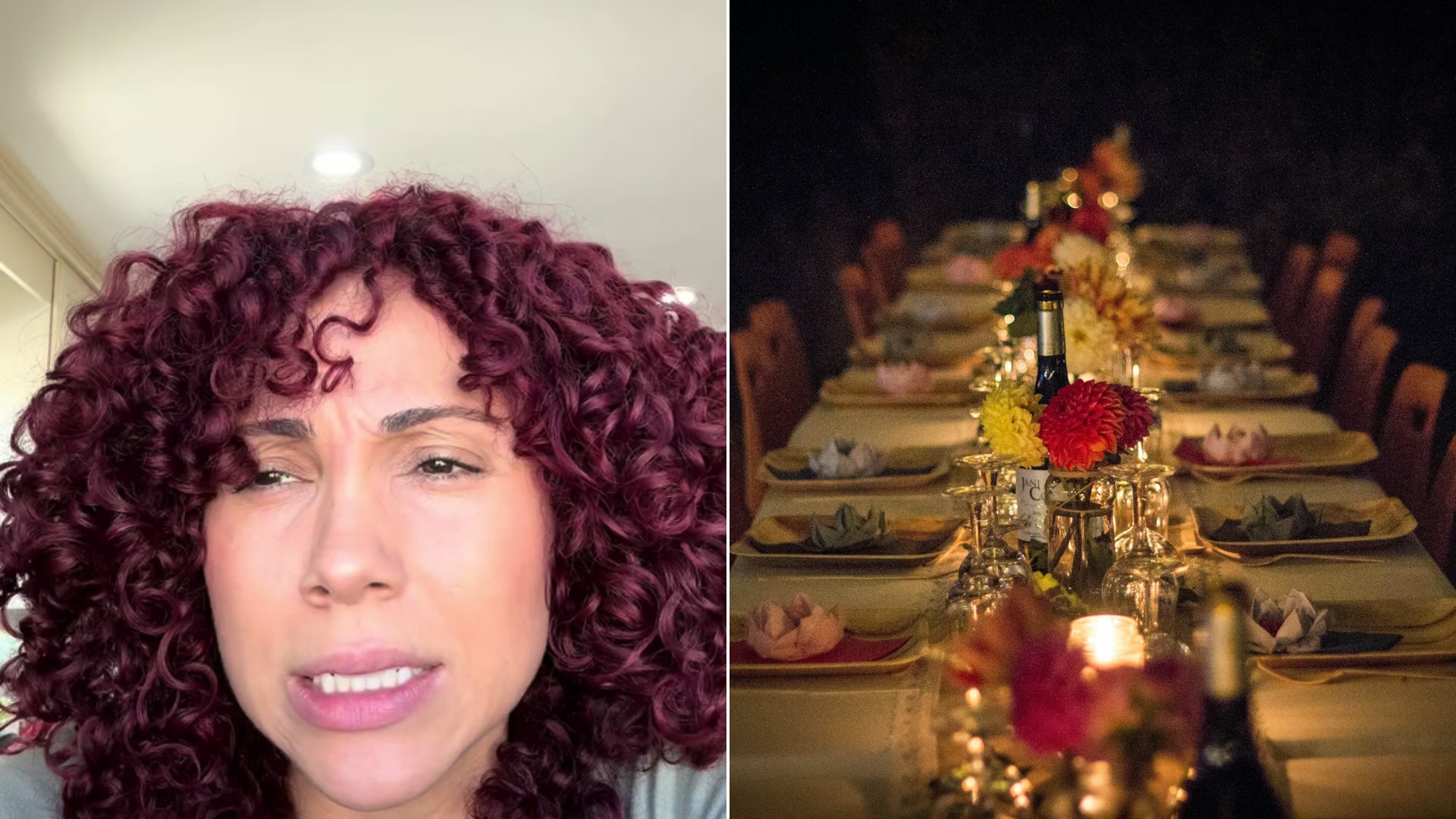
She says the evening started out well. The restaurant is in Elizabeth, it had a nice vibe, and the food was really good. Her group was her, her husband, her mother-in-law and their two kids, ages 6 and 2. The drinks and the food took a little while to arrive, but nobody was in a rush, and she says the family was having a good time celebrating.
The restaurant used digital menus, and before ordering she read the fine print about gratuity. It said that parties of six or more would have 18% added. She figured that was fair enough and moved on, because there were five of them.
@vannibk
The Waitress Who Was Not Rude, Just Dry
She is careful to say the server was not rude. When the waitress greeted the table, she was what @vannibk describes as dry, with no warm welcome and no extra spark, just a plain request for the order. Nothing about the service stood out as bad, and nothing stood out as exceptional either. In her words, she could have done without her, but she was not complaining about her.
That matters to the story, because the family had every intention of leaving a tip. She says she understands the economy and understands that servers depend on gratuity. What she did not expect was a number chosen for her before she had a say.
The Rule That Appeared at the Register
When the bill came to more than $300, the 18% was already on it. She showed it to her husband, and the two agreed to ask about it. They called the waitress over, and the answer they got was that this is how it works in the system. According to @vannibk, the server explained that once a check goes over $200, the system adds the 18%.
That did not match the menu. She pointed out that the printed policy talked about party size, not about how much a table spends, and asked where the dollar figure was written down. Her question to the server was blunt: if the family spends more, does that mean the restaurant is allowed to charge them more? She also asked whether the restaurant was not happy that they were spending that much money in the first place.
The server offered to bring the manager, and @vannibk says she happily agreed.
The Mojito Argument
The manager, she says, was a really nice guy, proper and respectful, and ready to listen. She kept her tone calm and told him the family enjoyed the food and thought the drinks were great. Her complaint was only about the gap between the menu and the bill. The explanation she got was again the system, and then that the charge was based on the value of the food.
That is where she made the argument that fills most of her video. She had ordered mojitos. If she had ordered three glasses of Johnnie Walker Blue instead of three mojitos, she asked, would the restaurant charge her more for gratuity? Her point was that the work is the same either way. The server brings the same drink from the same bar, and nobody is upselling her or improving her evening. The check just gets bigger, and the automatic charge grows with it.
She also mentioned that she had to flag down other staff during the meal, so the idea that a higher bill means much more work did not match what she saw at her own table.
What the Manager Said
When she finished, the manager told her she was right. He asked her to please put her thoughts in a review, saying the restaurant really appreciated feedback. She says she answered that she wonders how many people in the area would ever dispute or challenge a charge like this one.
By then the waitress had seen the manager side with the family. @vannibk says the server perked up and offered to bring anything else they needed, and even brought a bag so they could pack their leftovers. The mood at the table was fine, and she repeated that she was not complaining about the waitress herself.
The family paid the full bill, 18% included. As she puts it, it was not that they refused to pay. It was the principle of being told how generous to be based on a level of service that, in her view, was not even up there.
Her Bottom Line on Tipping Culture
She wraps up with a pointed message. From now on, she says, she will simply start throwing down tens and twenties and stop caring how much she spends. She says the entitlement is what gets under her skin, and she cannot stand hearing that people who cannot afford the tip should not eat out. Her answer is that it works both ways: if a restaurant wants a big tip, it should give service that makes the guest feel the server earned it.
Her caption sums up the mood: tipping culture is getting out of hand, and the fine print deserves a read.
What to Do Before You Sit Down
Her story is a good reminder that an automatic gratuity can hide in places many diners never look. A few habits can save you an argument at the end of the night.
- Read the menu, digital or printed, for any gratuity or service charge language before you order. Policies about large parties are common, and the wording matters.
- Count your table against the stated rule. If the menu says six or more and you are five, the line on your bill deserves a question.
- Look at the check before you hand over a card. An automatic charge is easy to spot when you are reading for it, and double tipping on top of one is a common slip.
- Ask politely for a manager if the explanation does not match what is printed. As this story shows, a calm question can get a straight answer.
- Tip for the service you actually received, and say so in a review if the restaurant asks for feedback.
The family left with a birthday to remember and a strong opinion about the word mandatory. Whether you agree that gratuity should follow the service or that a posted policy is a posted policy, it pays to know which one your restaurant is following before the check arrives.
More Stories You May Like
- Check Your Bill for Automatic Gratuity on Large Parties Before You Add a Tip or You May Pay Twice for the Very Same Restaurant Service
- This Solo Diner Pays $90 For A Cleveland Tasting Menu At Cordelia And Says It Was The Most Filling Meal Of Their Life So Full They Skipped Breakfast And Lunch The Next Day
- 6 Details to Plan Before an Anniversary or Birthday Restaurant Surprise Backfires on Money, Dietary Needs and Who Ends Up Paying the Bill