A plate of sisig that costs more than 2,000 pesos sounds like a joke. That is exactly what food creator remyeats told his friends when he first heard about it, and then he decided to eat his way up the price ladder to find out.
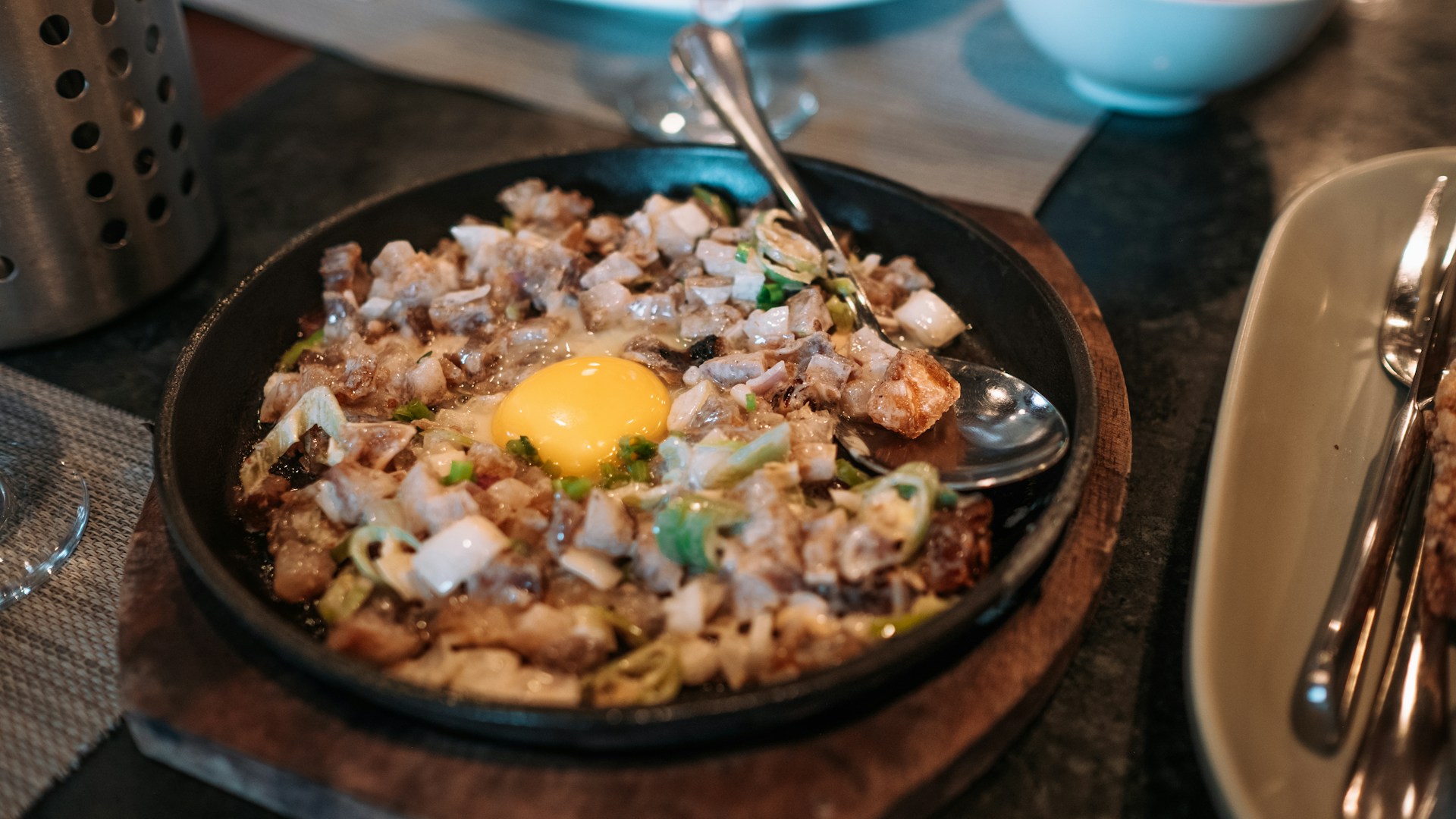
He sampled four versions of the Filipino sizzling pork dish, starting with a ₱149 childhood favorite and ending at Nobu in Manila with a ₱2,150 plate. The ending surprised him.
Sisig, he explains, was born from the resourcefulness of Filipinos who turned unwanted pig parts into something delicious, and the dish has changed with the times. His question was whether a very expensive version can be worth it.
A ₱149 Childhood Favorite Still Tastes Like Home, Though Inflation Hit The Price
His first stop was Sisig Hooray, a spot tied to memories of grocery trips with his mom, who always paired it with a stop at Potato Corner. He says it cost about ₱80 for a huge portion without rice roughly 10 years ago. Now it is ₱149, and he blames inflation.
The plate has pork, chili, onions and the chain’s classic sauce. He says it still tastes the same, with a very mayonnaisy flavor that is sweet, salty and savory, plus crispy edges he credits to either the chicharon or the microwave.
“It’s still as good as how I remember it to be,” he says, adding that the recipe has not changed. Even so, he rates it as not worth the price today. He says it would be worth it at ₱60.
Chefs Swear By A ₱250 Plate, But He Says It Is Not His Preference
Next he went to a spot that many chefs had recommended, just outside the Ultra complex, where he says people stop after playing sports to fill their stomachs. He ordered the sisig for ₱250 and was excited about the pork barbecue, which he could smell from far away.
The barbecue was brushed with a banana ketchup sauce he loves, and he says it tasted even better with a little vinegar on the side. It was juicy and a bit saucy, just how he likes it.
The sisig had a much more buttery, margarine-heavy taste, with no mayo, so it was not as heavy on the stomach. An egg on top added a soft balance to the crispy pork. He calls it really good, though he says it is not really his preference, and he later called it fantastic and more buttery than the rest.
Manam’s ₱210 Small Plate Arrives Sizzling, Crispy And Very Sour
No sisig video would be complete without Manam, he says. The small plate was ₱210, and the medium, which he says is the closest comparison, was ₱395. Since he was eating alone he ordered the small one and skipped the rice, which he jokes is a crime.
For the first time in a long while, he says, the sisig came out actually sizzling. It was crispy all the way through, probably because it is fried, and it was more sour than he remembered because the calamansi juice is already poured over it.
He says it gave him the same satisfaction as the second stop, but he felt he could keep eating the more buttery plate while the Manam version got heavy sooner. Still, he calls it good.
“I Really Didn’t Expect That,” He Says About The ₱2,150 Nobu Sisig
The main event was Nobu, where he saw the Nobu Manila style Kurobuta pork sisig on the menu at ₱2,150, one of the priciest items there. He says it was insane to see it in print.
The plate comes with Kurobuta pork, foie gras, Japanese mayo and furikake. He says those expensive ingredients are what drive the price, and the dish has clear Japanese touches. He ate it with a spoon and fork, no rice.
His biggest fear going in was that expensive food loses the heart of the dish. He says that did not happen. The richness and fattiness of the foie gras came through in every bite, and he still tasted the essence of sisig, the oiliness, the slight char and the sizzle.
The pork was not chopped tiny. It came in big, tender chunks that sort of melted in his mouth. “It was just so unpretentious. It was so flavorful,” he says.
Why He Says A Filipino Dish Can Cost Steakhouse Money
He compares it to steak, which can run from ₱500 to ₱1,000 and climb to ₱15,000. People happily pay for quality and service at a steakhouse, so he asks why Filipino food cannot be elevated the same way.
When he told friends about the plan, they said “Mahal,” meaning expensive, and asked why it cost so much. His point is that if you tasted the Kurobuta version without knowing the price, you might say it is worth it.
The Final Ranking Puts The Most Expensive Plate First
After four plates, he calls Nobu’s ₱2,150 Kurobuta sisig the first winner. Sisig Hooray was good and nostalgic but not worth the price, the ₱250 plate was fantastic, and Manam was also pretty good.
Nobu’s plate is one he says he would order again for a special occasion, with no complaints.
How To Decide What Your Sisig Money Should Buy
His tasting trip works as a short guide for anyone who wants to try the dish at home or on a visit to Manila.
- Pick a style: mayonnaisy and sweet, buttery with an egg, or crispy and sour with calamansi.
- Ask for it sizzling, since the hot plate adds crisp texture.
- Decide what you are paying for. Nostalgia and a full plate cost very little, while the ₱2,150 version pays for rare pork and foie gras.
- Try more than one. His rankings changed as he moved through the plates.
More Stories You May Like
- Boston’s Famous Table Mercato Sandwiches Open In New York City And A Food Creator Says Each Full Size Chicken Cutlet Sandwich Could Feed Four People
- Stop Rinsing Raw Chicken in Your Sink Because the Splash Can Spread Salmonella and Other Germs to Your Counters and the Food Nearby
- Shopper Shows Doritos Dropped From 9.75 To 9.25 Ounces At The Same Price While Cereal Boxes Shrank Ten Percent And Great Value Toilet Paper Fell From 168 Sheets To 120