You know that feeling when you open a bag of chips and it seems like there is more air than snack? You might not be imagining it. One shopper went down the grocery aisle with a stack of products in her hands and showed, item by item, how much less she says we are getting for the same money.
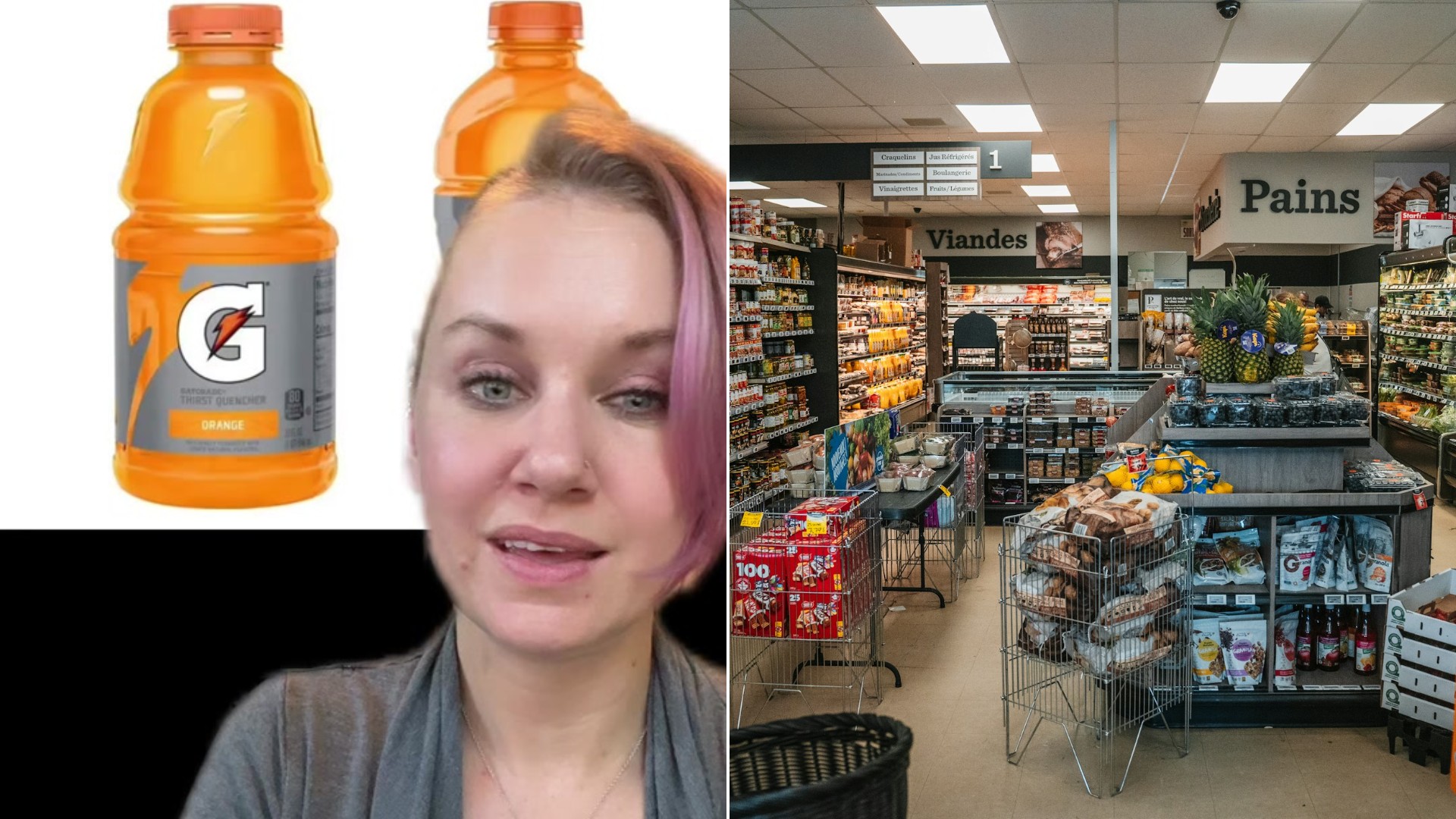
TikTok creator @realmelissasimo (Melissa Simo) opened with a blunt message. She says major corporations are “gaslighting us” by trying to make shoppers believe shrinkflation is not real, or what some people call a stealth price rise. Her answer: “Shrinkflation is very real, and this is not the only company who has done it.”
She added that her pile was “not even a large sampling” and that she has many more examples. Here is what she held up.
@realmelissasimo
The Grocery Aisle Lineup
She started with a bag of Doritos. By her account, it used to be 9.75 ounces and is now 9.25 ounces, at the same price. That is half an ounce gone, with nothing on the price tag to tell you.
Next came cereal. She says General Mills shrank its family size boxes from 19.3 ounces to 18.1 ounces, which she called “like 10%.” Cocoa Pebbles, she says, went from 20.5 ounces to 19.5, and Life cereal went from 24.8 ounces to 22.3.
On the paper goods side, she says Bounty changed its sheet count from 165 to 147. She also pointed to Great Value toilet paper, which she says dropped from 168 sheets to 120 and changed the sheet size too.
Then came a laundry detergent. She says it is now 52 fluid ounces when it used to be 59, and that the maker hollows out the bottom of the bottle so the plastic comes up inside, which keeps the bottle looking the same from the outside. If you have ever lifted a bottle and wondered why it felt light, that is the kind of trick she was talking about.
She also held up Pringles and said to look at the chip, claiming the packaging had to change because the chips got smaller. And on Oreos, she says the company is putting less stuffing in the cookie, and showed a package with a cookie shaped plastic piece so that there are only two cookies in it instead of three.
When The Math Gets Harder
One of her sharpest points was about measurements. She showed a mega pack that lists its contents in milliliters next to a three liter pack that is shorter. In her words, the change in measurement means “people have to do math in the market,” and she noted that “we’re already mentally exhausted by all the inflation.”
She also showed a “bigger size, better value” example comparing 18 fluid ounces with 15. The lesson there is simple: a bigger package is not automatically the better deal, and the label is only a claim until you check the numbers yourself.
Her closing thought was a realistic one. “This is not new,” she said, and it is “probably also not going away.” But she said it is something shoppers can start paying attention to.
How To Shop Smarter Against Shrinking Packages
You do not need a calculator app for every aisle, but a few habits can protect your grocery budget.
- Read the unit price. Most shelf tags show the price per ounce, per sheet or per count. That small number lets you compare two packages of different sizes fairly.
- Check the weight every time. Packaging can look the same while the amount inside changes. Glance at the ounces on your favorites, especially if the price has not moved.
- Take a photo of the label. If you buy the same cereal or paper towels every month, a quick picture of the size makes it easy to spot a change next time.
- Watch the measurement units. When one brand lists milliliters and another lists ounces, or one lists sheets and another lists rolls, take a moment to convert before assuming you are getting the better deal.
- Test the alternatives. If your usual brand keeps shrinking, a competing brand or a store brand may give you more for your money. Compare the unit price to find out.
Shrinkflation works because most of us do not stop to weigh our groceries. A smaller bag is easy to miss, and many of us only notice when we are standing in the kitchen wondering where the snack went.
The good news is that paying a little attention can pay off. Comparing a few unit prices on your next trip could save real money over a month of groceries, and sharing what you find with friends and family helps everyone spot the shrinking packages faster. Some of the claims in this shopper’s roundup come from her own side by side comparisons, so it is worth checking the labels on your own favorite products and seeing what you find.
More Stories You May Like
- Shopper Flips Over a 750 Gram Package That Looks Full From the Front and Shows It Is Barely Half Full Inside for the Exact Same Price as Before
- Shopper Tracked the Same 20 Groceries at 20 Portland Stores Every Month for 13 Months, and Then WinCo Lost Its Cheapest Store Crown by Just 21 Cents
- Beauty Shopper Discovers Her Fenty Powder Went From 28 Grams to 15 Grams While the Price Climbed From $36 to $39 and Says She Is Done Buying It