You make a big pan of banana pudding for Sunday supper, layer it up pretty and carry it to the table feeling proud. Then you scoop it out and find brown, slimy bananas, wafers either hard as crackers or dissolved into paste, and custard running across the plate like milk.
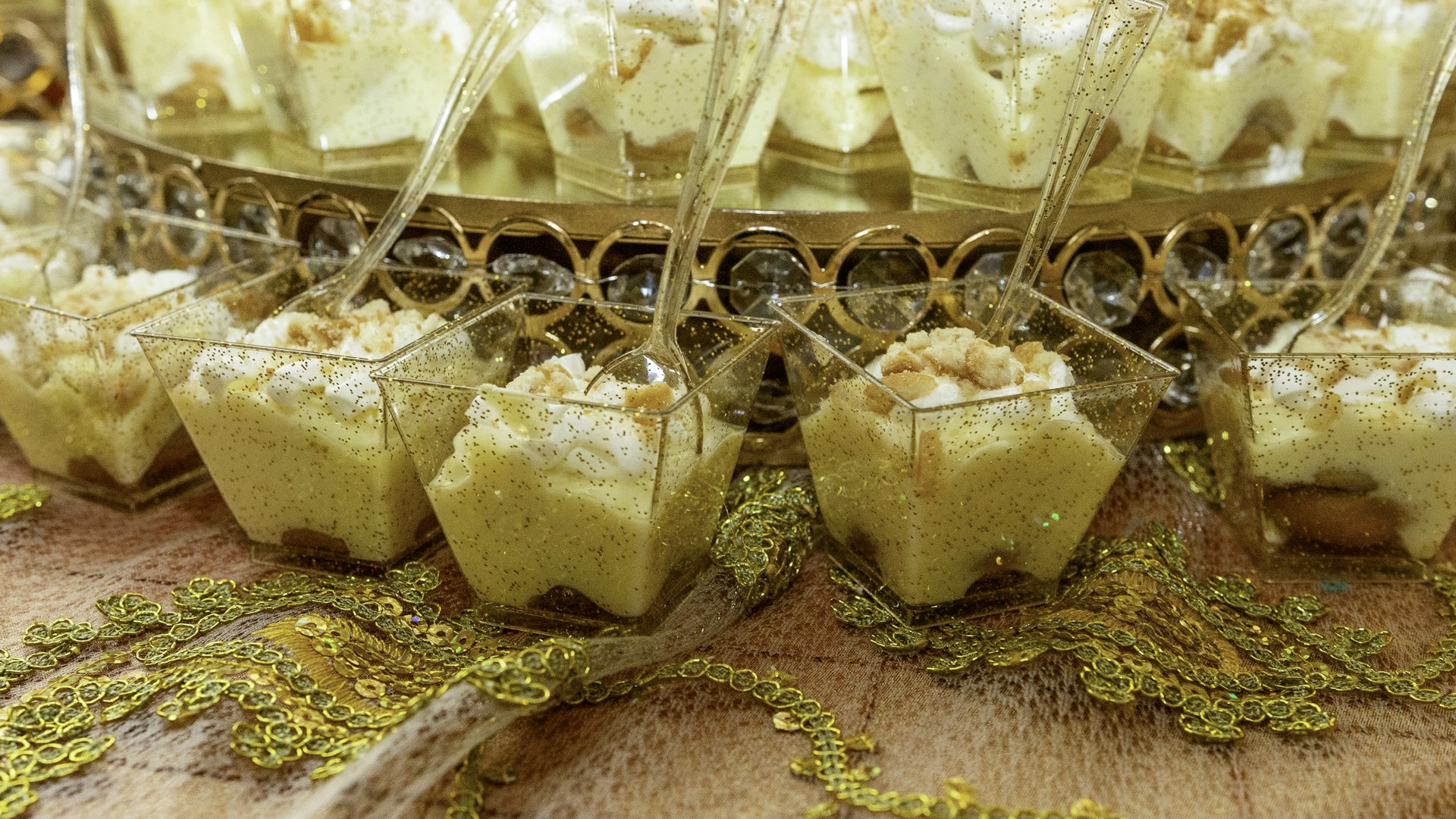
Soul food cook @EdnaJacksonCooking says the problem is not you and not the bananas. Edna Jackson, 68, who was born and raised in Greensboro, Alabama, says nobody ever showed most cooks the small Southern tricks that make banana pudding come out right.
The Custard Turns Runny At One Moment At The Stove
She says the reason custard runs has almost nothing to do with the recipe and everything to do with one moment at the stove. Her fix starts with a heavy-bottom pot over medium to medium-low heat, whisking the sugar, flour and salt together first, then adding cold milk a little at a time.
A thin pot scorches in a heartbeat, she warns, and burnt milk ruins the batch. Keep the whisk moving and scrape the corners. After about 10 minutes the milk goes from thin to thick all at once, and it should coat the back of a spoon so well that a line drawn with your finger stays put.
Then comes the step people skip. Keep cooking and whisking another minute or two until a few slow bubbles pop on top. “The flour needs that heat to finish thickening,” she says, and a custard that never reaches a gentle bubble can stay thin no matter how long it cools.
“Don’t You Reach For That Box” Of Instant Pudding
She is not here to shame anyone on a busy night, but she says instant pudding tastes flat and chalky and never sets with the richness of cooked custard. Her version uses three-quarters of a cup of sugar, a third of a cup of flour, a pinch of salt, four cups of whole milk, four egg yolks, a tablespoon of butter and a teaspoon and a half of real vanilla.
Save the four egg whites, because they become meringue later. She also says to temper the yolks by whisking a ladle of hot milk into them in a thin stream, twice, before pouring them back into the pot and cooking about two more minutes until thick with slow bubbles. A custard that has thickened and bubbled gently has gotten hot enough to be safe, she says, so do not pull it off early because you are hungry.
Bananas “A Day Too Early” Taste Chalky And Bitter
Her number-ten tip starts at the store. Pick bananas that are yellow with a few brown freckles, which show the starch has turned to sugar. A green-tipped one tastes chalky and a little bitter, and no amount of sugar fixes that. Black, mushy ones turn to mush as soon as they meet the custard.
“Buy them a few days ahead, let them ripen on the counter, and when they’re spotted, you’re ready.” She plans on five or six bananas for a 9 by 13 dish. Growing up, her mother would say, “Well, I guess it’s pudding day,” when the freckles showed up.
Whole Wafers Should Go Soft On Purpose
She says to finish the custard off the heat, stirring in the butter and vanilla, because heat dulls the vanilla’s sweet smell. If it tastes sweet but a little boring, add one more pinch of salt. If you see lumps, strain the custard, and press plastic wrap on the surface so no skin forms.
For wafers, use a box of about 11 or 12 ounces of real vanilla wafers, whole and not crushed. Crushed wafers turn gritty, she says, while whole ones soften into something like a little cake. “A crisp wafer in banana pudding is a mistake.”
Layer a thin spread of custard, wafers, bananas sliced about a quarter inch thick right before layering, then a third of the custard out to the edges. Do it three layers high, ending with custard. Sealed under custard, the bananas stay yellow, and warm custard, not piping hot, softens the wafers without cooking the bananas.
Meringue Or Whipped Cream, And A Food Safety Warning
This is where she says families go to war. She grew up with meringue: four room-temperature egg whites, a quarter teaspoon of cream of tartar and half a cup of sugar beaten to stiff, glossy peaks, sealed right to the edge of the dish and baked at 350 degrees for about 15 minutes.
She adds that a browned meringue can still be soft inside. If you want to be certain, use pasteurized egg whites from a carton or check that it reaches 160 degrees, especially for little ones, grandma or anyone expecting. If you prefer whipped cream, whip a cup and a half of cold heavy cream with powdered sugar and vanilla, and add it just before serving.
The Second Mistake Happens Hours Later, When You Cannot Wait To Dig In
Her number-two tip is the one she wants you to hear: chill it properly. “I know it’s hard,” she says, but banana pudding that goes straight to the table is a different dessert than one that has rested.
Refrigerate it for at least four hours, overnight if you can stand it. In that time the custard sets firm and silky, the wafers soak up moisture and turn soft as cake, and the banana flavor spreads through every bite. Meringue-topped pudding is best the day you make it or the next, and leftovers should be finished in three to four days.
Do not leave it on the counter more than two hours, and less on a hot day. “When in doubt, throw it out.”
Her Number One Rule: Taste As You Go
The tip that she says changes everything is to take your time and taste at every step. Taste the custard before it comes off the heat, again after the vanilla, and a banana slice to see how sweet it really is. Add a pinch more salt, a splash more vanilla or a little more sugar if the bananas were shy.
Her mother made banana pudding for every homecoming and every Sunday, she says, and never used a measuring cup. “The best recipes aren’t written down. They’re learned with your hands.” Make it once and be proud, she says, and by the third time your whole family will ask for it by name.
More Stories You May Like
- 6 Ways to Protect Your Home and Retirement When Dating Later in Life Before You Move In Together or Merge Money Too Soon With a New Partner
- Thanksgiving Leftovers Can Make Guests Sick If They Sit Out Past Two Hours or Stay in the Fridge Past 3 to 4 Days and USDA Says So
- 5 Rules to Settle Before Adult Kids Move Back Home So Rent, Chores and Timelines Do Not Quietly Turn Into Resentment Under Your Roof