Open a fresh pack of gum and count the slots. If you have ever felt that something in your grocery cart quietly got smaller while the price tag stayed put, @foodiestruthh says you are not imagining it, and he has a pack of gum to prove it.
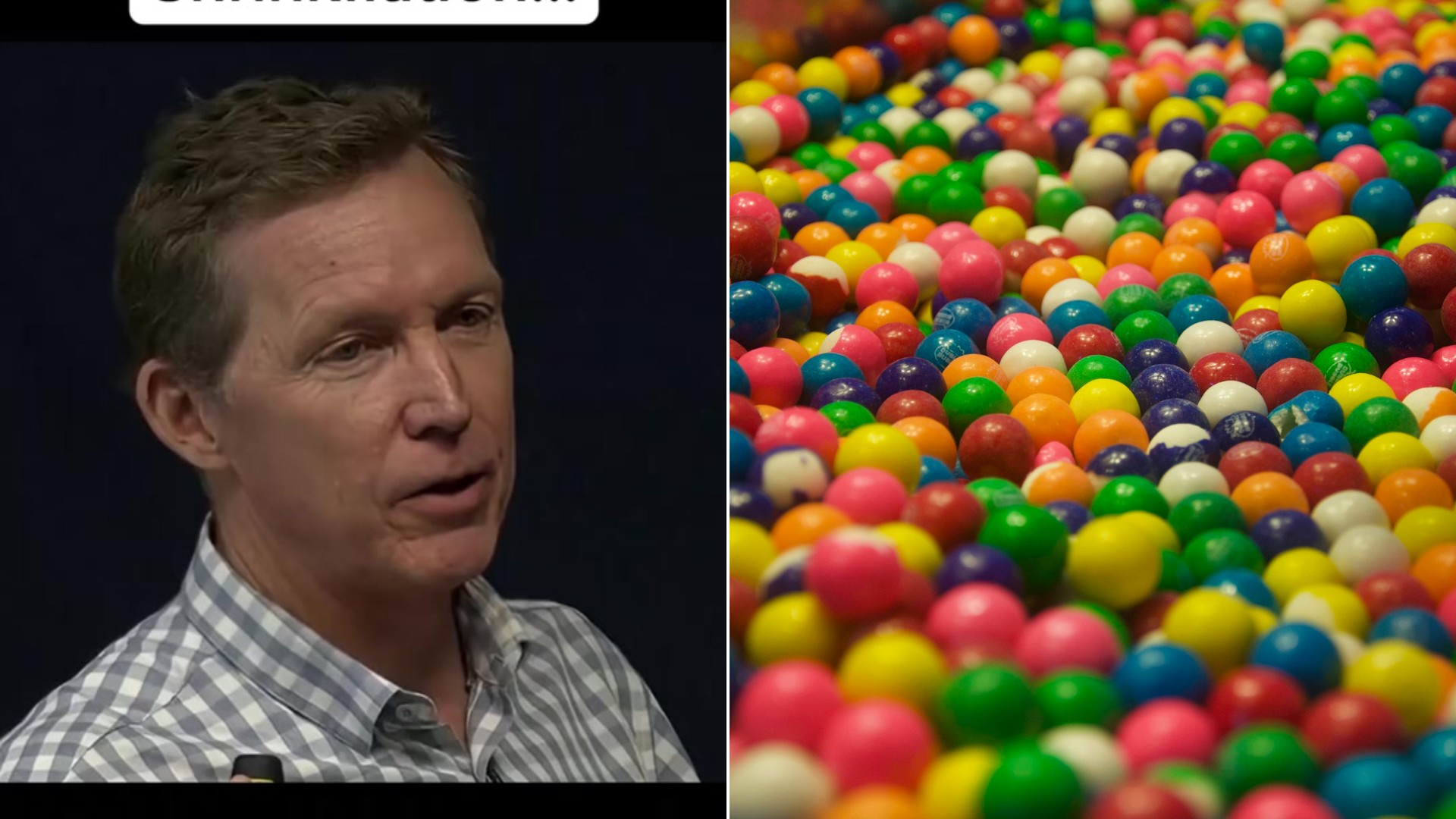
The creator calls the practice shrinkflation, and he describes it in one plain sentence: companies make their products smaller but keep the price the same. His caption on the video sums up the mood. “All that to save 10 cents,” he writes.
@foodiestruthh
The Gum Pack That Was Supposed To Hold 10 Sticks Now Has A Thumb Grip Instead
Here is the example he calls one of the most angering for consumers. A packet of gum is designed with 10 slots. The company replaced one of those slots with a thumb grip.
Think about what that does for the maker. Because they no longer have to put one of the 10 sticks in the pack, he says, they can reduce the cost of making the entire packet by 10%.
The shopper, meanwhile, still pays the same price at the register. That is the whole trick, and it only works if nobody counts.
“Why Wouldn’t They?” The Simple Reason Companies Shrink Products And Hope You Will Not Notice
The creator lays out the motive without any fancy language. If companies can make more profit and customers will not even notice, he asks, why wouldn’t they?
It is not about a bad year or a rise in costs in his telling. It is about an incentive. A smaller product at the same price means more money kept by the company on every single unit sold.
He uses a can of tomatoes to make the point. A can that used to hold 650 milliliters, he says, today might hold 600 milliliters. The label looks the same, the shelf price looks the same, and the shopper walks away with less food.
Skimpflation: When The Ingredients Change And The Price Does Not
It gets worse, he says, because sometimes companies do not shrink the package at all. They change what is inside it. He says this is a different form of shrinkflation, sometimes called skimpflation.
His example is that same can of tomatoes. The original, he says, used to list tomato puree as the primary ingredient. Now the primary ingredient is water.
Water is cheaper than puree, so the company spends less and still charges the same amount of money. Again, he asks the question that drives the whole video: if they can charge the same for something with less of the more expensive ingredient, why would they not do it?
“Once You Start To Notice It, You’ll See It Everywhere”
Once you know what to look for, he says, the examples keep coming. He points to breath strips, where he says you are getting basically half of what you used to, even though the price has not moved.
That line, that you will see it everywhere once you notice, is the heart of his message. The creator ends the video by telling viewers to follow his account so they stay aware of this kind of thing, adding a joke that otherwise they might never see him again.
What Happens When Enough Shoppers Get Mad
There is a hopeful note in his explanation. The only real problem for companies, he says, comes when enough customers get together and get angry about it. At that point, he says, there is nothing the companies can do.
That matches how a lot of people feel at the checkout line. One shopper grumbling alone changes little, but a crowd of shoppers who all noticed the same smaller package is a different story, and brands tend to listen to a crowd.
How To Catch Shrinkflation Before It Catches Your Wallet
You do not need a spreadsheet to protect yourself. A few habits go a long way, and none of them take more than a few seconds in the aisle.
- Read the net weight or net volume on the front of the package, and compare it with what you remember. If you buy the same cereal every week, a lower number is easy to spot.
- Check the unit price on the shelf tag, the small print that shows the cost per ounce or per count. It lets you compare sizes and brands on equal footing, even when the box looks the same.
- Read the ingredient list. In the United States, ingredients are listed in order of weight, with the heaviest first, so if water has moved to the top of the list ahead of something that cost more, you have learned something.
- Count the pieces. Whether it is sticks of gum, sheets in a roll or crackers in a sleeve, the count is often printed on the package, and it is the easiest number to track.
Another good habit is to take a quick photo of the labels on things you buy often. A picture on your phone from last month beats trying to remember how big the can used to be.
The Bottom Line For Your Grocery Budget
Prices at the store are only half the story. The other half is what you actually get for the money, and that half is far easier to hide.
A thumb grip where a stick of gum used to be is a small thing on its own. But as the creator points out, a 10% cut in what goes into the pack, repeated across millions of packs, adds up to real savings for the company and real losses for people who never thought to count.
So the next time you reach for a familiar favorite, take a second to check the weight, the count and the ingredients. If enough of us do, @foodiestruthh says, companies will have nowhere to hide.
More Stories You May Like
- Shopper Shows Doritos Dropped From 9.75 To 9.25 Ounces At The Same Price While Cereal Boxes Shrank Ten Percent And Great Value Toilet Paper Fell From 168 Sheets To 120
- 6 Cancellation Traps in Meal Kits and Subscription Boxes Where the Introductory Price Ends Fast and Your Card Keeps Getting Charged Anyway
- Restaurants Next To Famous Landmarks And Airport Gates Can Charge Top Dollar For Mediocre Food So Here Is How To Eat Where Locals Do