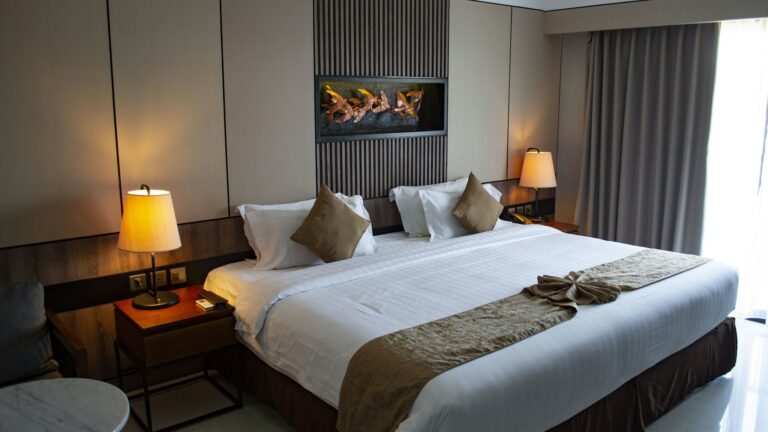
Picture a lounger in Punta Cana, a third rum punch in hand and nobody asking for a card since you landed. Somewhere around that drink, a thought creeps in: these people must be losing money on me.
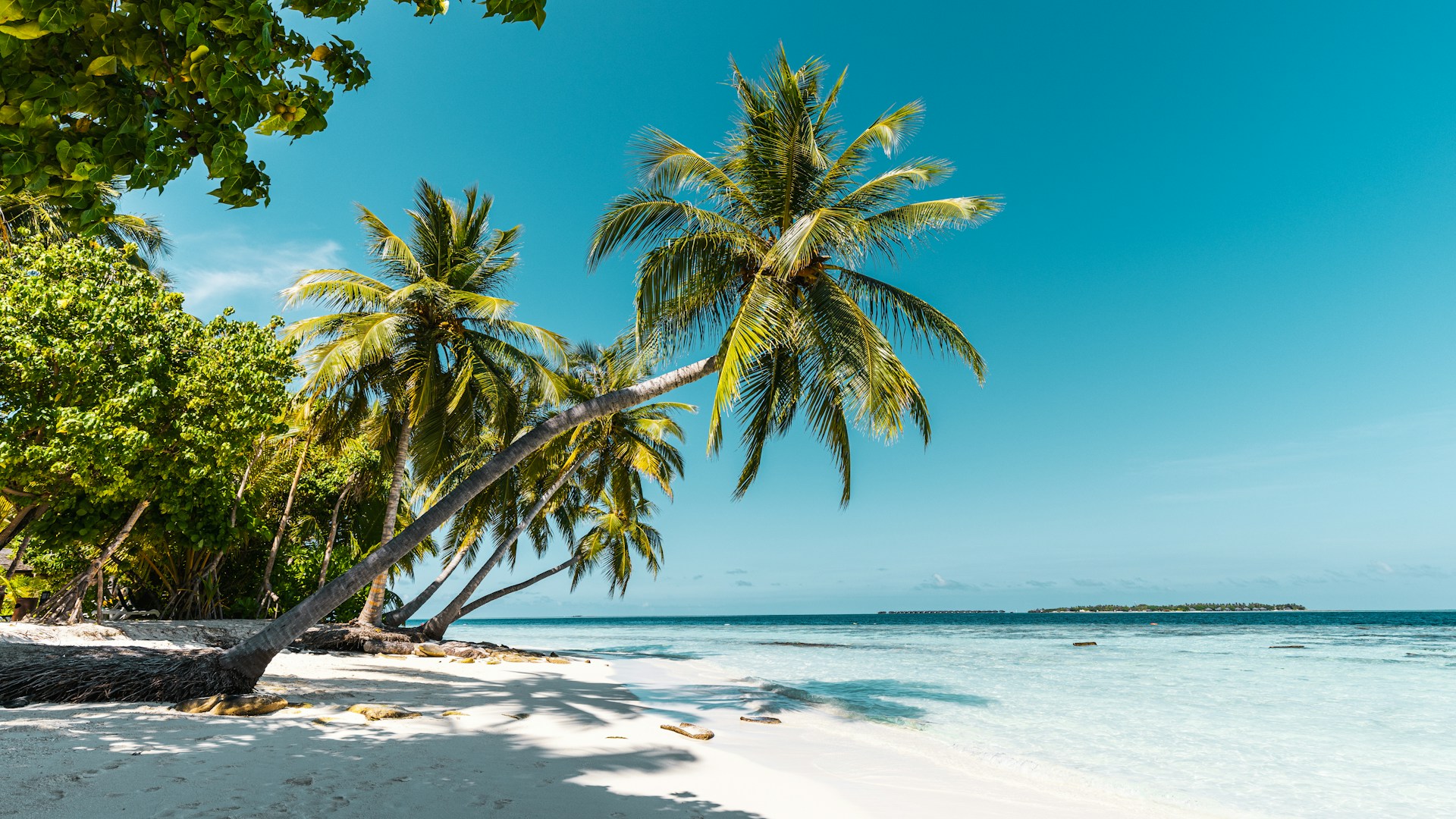
It is the feeling the brochure sells, the sense that you found a loophole and you are beating the house. A recent breakdown from the YouTube channel Marcus Explains shows why the resort is not worried at all.
Hyatt Paid $2.6 Billion For 24 Resorts, Then Sold The Buildings
In February of 2025, Hyatt agreed to buy Playa Hotels and Resorts for about $2.6 billion, counting roughly $900 million of debt that came along. Playa ran 24 resorts across Mexico, the Dominican Republic and Jamaica, with more than 8,600 rooms.
Then Hyatt did something that surprised many people. Not long after closing the deal, it sold the resorts Playa owned, meaning the buildings, pools and beaches, to another buyer for about $2 billion.
It also signed on to keep running almost every one of them. The company that spent billions to enter the business decided it did not want to own the beachfront.
The Open Bar Wedding Explains The Whole Trick
The easiest way to see how an all-inclusive makes money is a wedding with an open bar. The couple agrees on a flat price per guest, paid upfront, and who drinks what is anyone’s guess.
The caterer has seen it before. There is always an Uncle Ray who has nine drinks and two plates of carved beef, but there is also grandma with one ginger ale and half a piece of cake, plus cousins who are driving and stick to soda.
Priced against the whole room, the average guest costs much less than the price per head. A resort works the same way, stretched across a week on a beach.
A Wisconsin School of Business professor put it simply on the radio show Marketplace: “They may be losing money on me, but they’re making money on you.” On average, it has to balance out.
Every Extra Guest In The Room Is Almost Pure Upside
A regular hotel sells a room, and it does not care much whether one or two people sleep in it. An all-inclusive charges per person.
The room gets cleaned once, the air conditioning runs once, and the pool is filtered once. A second guest pays a full price while costing the resort little beyond food and drinks.
That is why the industry leans on couples and families. When Jamaican businessman Gordon “Butch” Stewart opened his first property in Montego Bay in 1981, he built Sandals on the idea of couples only, and the brand now runs 17 resorts across the Caribbean.
You Paid Months Ago, And That Changes How You Spend
Resorts also get paid early. Economists quoted in Foreign Policy point out that margins on an all-inclusive deal run almost twice as high as on the traditional model.
The first version looked nothing like luxury. In 1950, Belgian Olympic water polo champion Gerard Blitz set up a camp at Alcudia on Mallorca with no running water and no electricity, and guests slept in 200 tents supplied by the family of Gilbert Trigano. Guests helped cook the meals and wash the dishes, and that was the start of Club Med.
The Kitchen Knows Exactly How Many Mouths To Feed
A resort knows almost everything about you before you pack, including how many people are coming and how many nights each will stay. Food is ordered against a known number of guests, and less ends up in the trash.
Research from Hospitality OS puts food cost for a three-star resort at around $28 to $36 per guest per day, and $68 to $95 at a luxury adults-only property. Drinks run about $9 to $14 a day at the three-star end and $28 to $45 at the luxury end.
In 2024, Playa’s average package rate was about $451 per room per night. Even at luxury numbers, a couple eats and drinks a little under $200 to about $280 of product a day.
The rum punch is poured from the house bottle. Brand names you know, like Grey Goose, typically run $8 to $15 a drink extra, or a premium package of about $25 to $60 per person per day.
Inside The Gate, The Good Version Costs Extra
Resorts sit on long stretches of coast, often behind a gate, and you arrived on a van. For a week, the resort is the only seller you can reach.
Business Insider went through the price lists. On a 10-day stay, an ocean view room cost about $800 more at Sandals in the Bahamas and $1,500 more at Sandals in Jamaica.
A butler can add around $900 to a room, plus $50 to $100 a day in tips, and a beach cabana runs about $125 a day. Some resorts charge about $25 a person for the lobster dinner, around $100 for a scuba course, and up to $75 to replace a lost wristband.
A 2015 study by Tourism Concern found that about two-thirds of all-inclusive guests take an excursion, such as a $135 city tour in Jamaica or a $225 day of deep sea fishing.
The 8 Cents On The Dollar Playa Kept
None of this makes the resort building a gold mine. Playa’s resorts were 73.6% full on average in 2024, with total revenue of $938.6 million.
After all costs, net income was $73.8 million, meaning the business kept about 8 cents of every dollar. Extras such as the spa and premium drinks added $117.2 million, roughly $1 in every $7 the owned resorts brought in.
Hyatt Kept The Name On The Wristband
The Playa deal followed one made in 2021, when Hyatt paid $2.7 billion in cash for Apple Leisure Group. That purchase included ALG Vacations, the people behind Apple Vacations, which as of 2019 flew around 3.2 million passengers a year to the Caribbean and Mexico.
The deal closed in June 2025, and Hyatt then sold Playa’s owned buildings to Tortuga Resorts for about $2 billion. It signed 50-year management agreements on 13 of the 14 properties.
It can also earn up to $143 million more if the resorts hit performance targets, and it kept $200 million of preferred equity in the buyer. Hyatt CEO Mark Hoplamazian called the sale a “fully asset light transaction” that increases fee-based earnings.
Only About $5 Of Every $100 Stays In The Local Economy
The United Nations Environment Program found that of every $100 a traveler from a wealthy country spends on a package to a developing country, only about $5 stays in the local economy. On a typical all-inclusive package, about 80% goes to airlines, hotel companies and other international firms.
How To Book Smarter
Know which kind of guest you are before you pay for the top tier.
- If you plan to spend days exploring and eating in town, you are paying for a buffet you never touch.
- Remember that guests tend to eat and drink the most on days two and three, then less from around day five.
- Budget for the extras, since a 2018 Post Office study found British families spent about $980 on top of the holiday price.
- Pick the date carefully. A 10-day stay at a Sandals resort in the Bahamas cost almost $25,000 more in December than in May, and summer travel can run 30 to 40% cheaper.
Next time that third rum punch arrives, you will know what is in the glass: house rum, juice and a lot of ice, priced against an average you probably sit below.
More Stories You May Like
- Man Spends $68,000 On An RV To Escape Paying Rent, Lives In It For Just Six Months, Then Discovers It Lost $52,000 In Value In Three Years
- Frontier Passenger Kicked Off An Overbooked Flight After Checking In For Seat 12D Is Promised A Refund Plus A $250 Voucher, Then Says The Airline Marked Them A No Show
- Cruiser With Around 50 Cruises Tries Two Land Trips, Then Says The Answer To Whether Cruising Is Worth It Changed, Just Not How You Would Expect