If you buy cheddar from a small New York dairy, stop and check your refrigerator today. Family Farmstead Dairy of Worcester, New York has announced a recall of every cheddar cheese product it makes, and the notice went up on the FDA’s recall page on November 10, 2026.
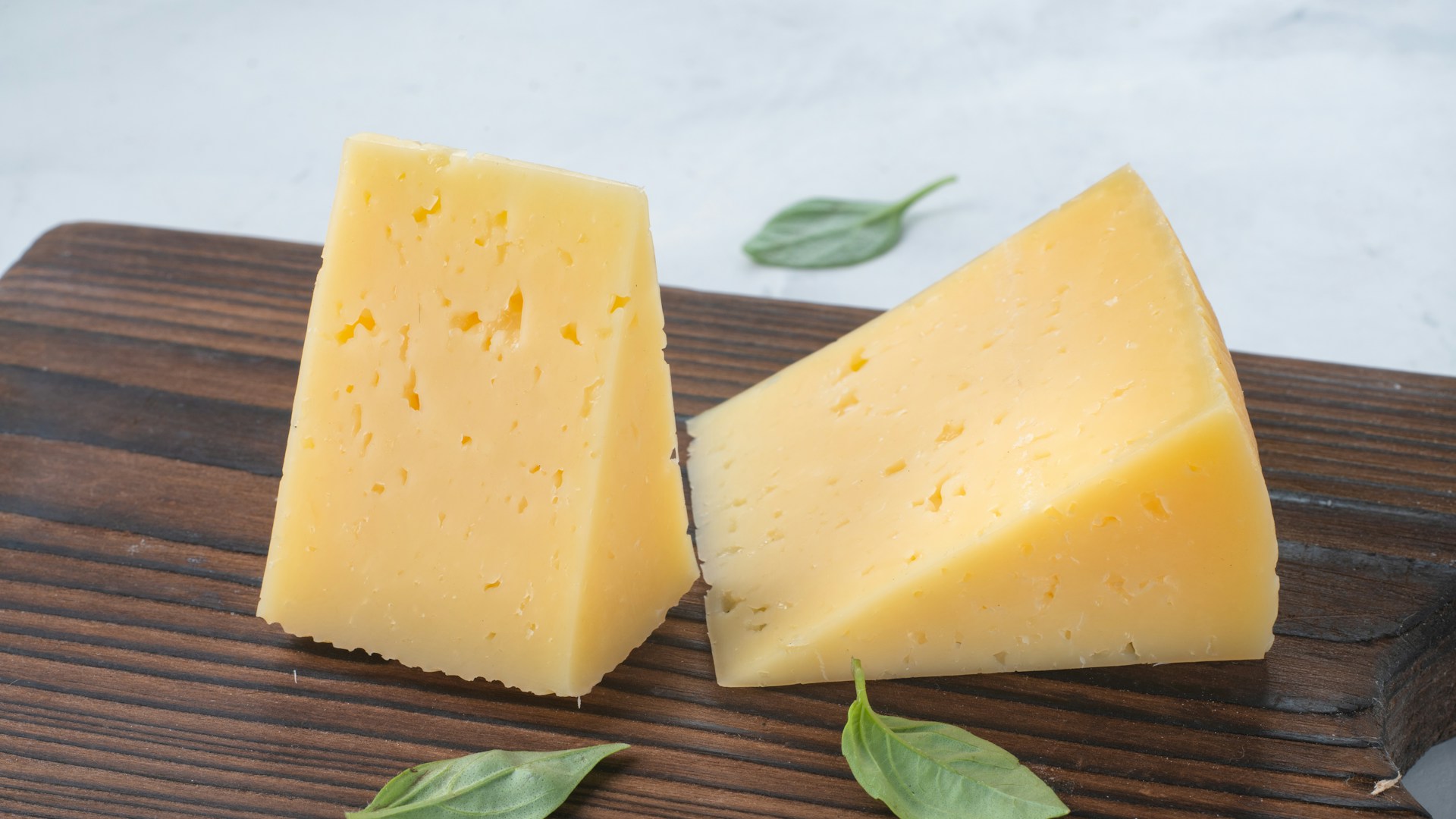
The reason this time is possible contamination with Listeria monocytogenes. The recall covers all cheddar cheese products with an expiration date of 10/16/27 and earlier, which means that if it is cheddar from this dairy and the date is that one or sooner, it is part of the recall.
This is not the first time the dairy has had to pull cheese off shelves this fall, and that is what makes the new notice sting.
It Is The Second Recall In A Month, And This One Covers Every Cheddar The Dairy Makes
On October 15, 2026, Family Farmstead Dairy recalled certain raw cheddar for E. coli, specifically the strains O26:H11 and O45:H2. That recall was limited to particular raw cheddar products.
Now the company has widened the net. According to the notice posted by the FDA, the new recall is not limited to a single type or a single batch. All of the cheddar the dairy makes with that expiration date or earlier is included.
For shoppers, that makes things simpler in one way. You do not have to hunt for a lot number or a specific wheel. If it is this dairy’s cheddar, treat it as recalled.
Cheese Went To Stores In 12 States From New York To Tennessee
The cheese was sold through retail stores in New York, New Jersey, Vermont, New Hampshire, Massachusetts, Pennsylvania, Rhode Island, Connecticut, Delaware, Virginia, West Virginia and Tennessee.
That is a long stretch of the East Coast and Appalachia, and it includes a lot of small grocers, farm stands and specialty cheese counters where a block of local cheddar is easy to grab without looking closely at the label.
If you travel to any of those states and brought home a souvenir wedge, or if a relative sent you a gift from the region, it is worth a second look.
“Return It To The Store Or Call The Dairy” Is The Company’s Instruction
The notice says customers can return the cheese to the store where they bought it. They can also call the dairy directly at (607) 397-4044.
Do not taste it to find out. Cheese contaminated with Listeria does not necessarily look, smell or taste any different from cheese that is perfectly fine, so a nibble tells you nothing useful.
Why Listeria Is Taken So Seriously, Especially At The Holiday Table
Listeria is a bacterium that causes an infection called listeriosis. Health agencies describe it as especially dangerous for pregnant women, newborns, adults over 65 and people with weakened immune systems.
In healthy people it can cause fever, muscle aches, nausea and diarrhea. In higher risk groups it can become far more serious, and in pregnancy it can affect the baby.
One thing that sets Listeria apart from many other germs is that it can survive and even slowly grow at refrigerator temperatures. That is why a cheese that has sat in your fridge for weeks is not automatically safe just because it has been kept cold.
Symptoms can also show up days or even weeks after eating a contaminated food, which is one reason recalls ask people to act even if nobody in the house has felt sick.
The earlier E. coli recall involved a different kind of bacteria. E. coli strains like these can cause stomach cramps and diarrhea, sometimes bloody, and in young children and older adults they can lead to more serious illness. Anyone who is worried about symptoms after eating any recalled food should call a doctor.
What To Do Right Now If You Have This Cheddar
With the holidays near, a lot of us are stocking up on cheese for appetizer boards, mac and cheese and casseroles. Here is a simple plan.
- Check the label for the dairy’s name, Family Farmstead Dairy, and for an expiration date of 10/16/27 or earlier.
- If you find a match, do not eat it, serve it or give it away. Do not cook it either, and do not toss it onto a cheese board for guests.
- Return it to the store or call (607) 397-4044, as the company’s notice says.
- If you cannot find the original packaging, but you remember buying cheddar from this dairy, play it safe and keep the cheese away from family and pets until you can sort it out.
- Wash the shelf, drawer or container where the cheese sat with hot, soapy water, then wipe it down with a sanitizer. Wash any knife or cutting board that touched it.
- Wash your hands well afterward.
It is also wise to check whether you have already frozen any of the cheese. Freezing does not kill these germs, so a freezer bag of shredded cheddar from this dairy is still part of the recall.
A Good Habit To Keep After This Recall
Most of us never write down where our cheese came from. A quick photo of the label on a block you love, or keeping the sticker from the deli counter on the wrapper, makes a recall like this a two minute job instead of a guessing game.
It also helps to sign up for recall alerts, which the FDA offers on its website, or to ask your grocer whether they notify customers who use a store card. When a recall is announced, the stores that sold the product are usually the first place that can tell you what to do.
For now, the message from the dairy and the FDA notice is plain and short: all of the dairy’s cheddar with that expiration date or earlier is recalled, and the cheese should be returned or the company called. Check the fridge, check the freezer, and pass the word along to anyone you know who lives in those twelve states.
More Stories You May Like
- Diner Orders A $24.75 Burger And $3.00 Truffle Fries At Earls Kitchen, Finds A Sneaky 3% Admin Fee On The Bill, And Fumes Over Being “Harassed And Extorted” With No Tip For You
- Brad’s Plant Based Kale Chips Recalled Over Thallium In About 25,000 Bags Nationwide, And Shoppers Who Throw Them Out Are Not Getting Refunds
- New Jersey Students Cover A Football Field With Thousands Of Yellow Donation Bags To Feed 30 Food Banks In The Largest Drive Their Charity Has Ever Held