Anyone who has pulled up to a drive-thru has felt it. The total on the screen keeps climbing, and the bag somehow feels lighter. A Boston 25 News team decided to stop wondering and put the question to a kitchen scale.
The reporters bought the same three items from nine restaurants, weighed every one, and compared the results to what these foods weighed back in 2019. The answer was not kind to the value meal.
Reporters Hit Nine Drive-Thrus With A Kitchen Scale To Find Out If You Are Paying More For Less
The test was simple. They picked three of the most popular items from three chains: a chicken sandwich from Chick-fil-A, a Whopper from Burger King, and a 10-piece order of McNuggets from McDonald’s.
To keep it fair, they visited three locations of each chain, in Boston and in nearby Massachusetts towns including Norwood, Walpole, Hudson and Milford. That meant nine orders and nine trips to the scale.
For the 2019 comparison, the team used nutrition data from the U.S. Department of Agriculture, which includes the average weight of common food items. Menu prices vary by location and old prices are harder to track down, so they leaned on the Bureau of Labor Statistics instead. It reports that the price of food away from home, fast food included, is up 39% nationwide over the same stretch.
Chick-fil-A Came Out Almost Even, But One Sandwich Weighed 35 Grams Less Than 2019
Chick-fil-A went first. The weight to beat from 2019 was 187 grams for the sandwich.
The first location’s sandwich came in at just 152 grams, a sizable gap. But the other two locations did much better, at 196 and 207 grams. Averaged out, the three sandwiches weighed 185 grams, only 1% under the 2019 figure.
In a statement, Chick-fil-A pointed to the handcrafted nature of its food and said prep and ingredient sources cause variation from one kitchen to the next.
The Whopper Slid To 275.7 Grams, 5% Lighter Than Its 2019 Weight Of 291
Burger King’s Whopper was next. In 2019, the average Whopper weighed 291 grams. The three tested this time weighed 285, 278 and 264 grams, for an average of 275.7 grams.
That works out to about 15 grams of sandwich missing, a 5% drop from the 2019 average, and not one of the three reached the old number.
Burger King told the reporters that the weight of the patty has not changed since then. The company blamed the difference on a change in buns and said small weight differences are normal.
McNuggets Took The Biggest Hit, Down 12%, And McDonald’s Never Answered
The nuggets told the starkest story. The 2019 weight to beat for a 10-piece order was 159 grams. The first box the team weighed came in at 129 grams.
Every single order they bought was under the 2019 number. The average landed at 140 grams, which is down 12%. As the reporter pointed out on camera, that is more than a full nugget gone from the box.
When the team asked McDonald’s for comment, the company did not respond.
“Nearly 40% More Money” For Smaller Portions Across The Board
Put it together and the reporters’ conclusion was blunt. Across the board, average portions were smaller than the 2019 data, and the price of eating out is up nearly 40%.
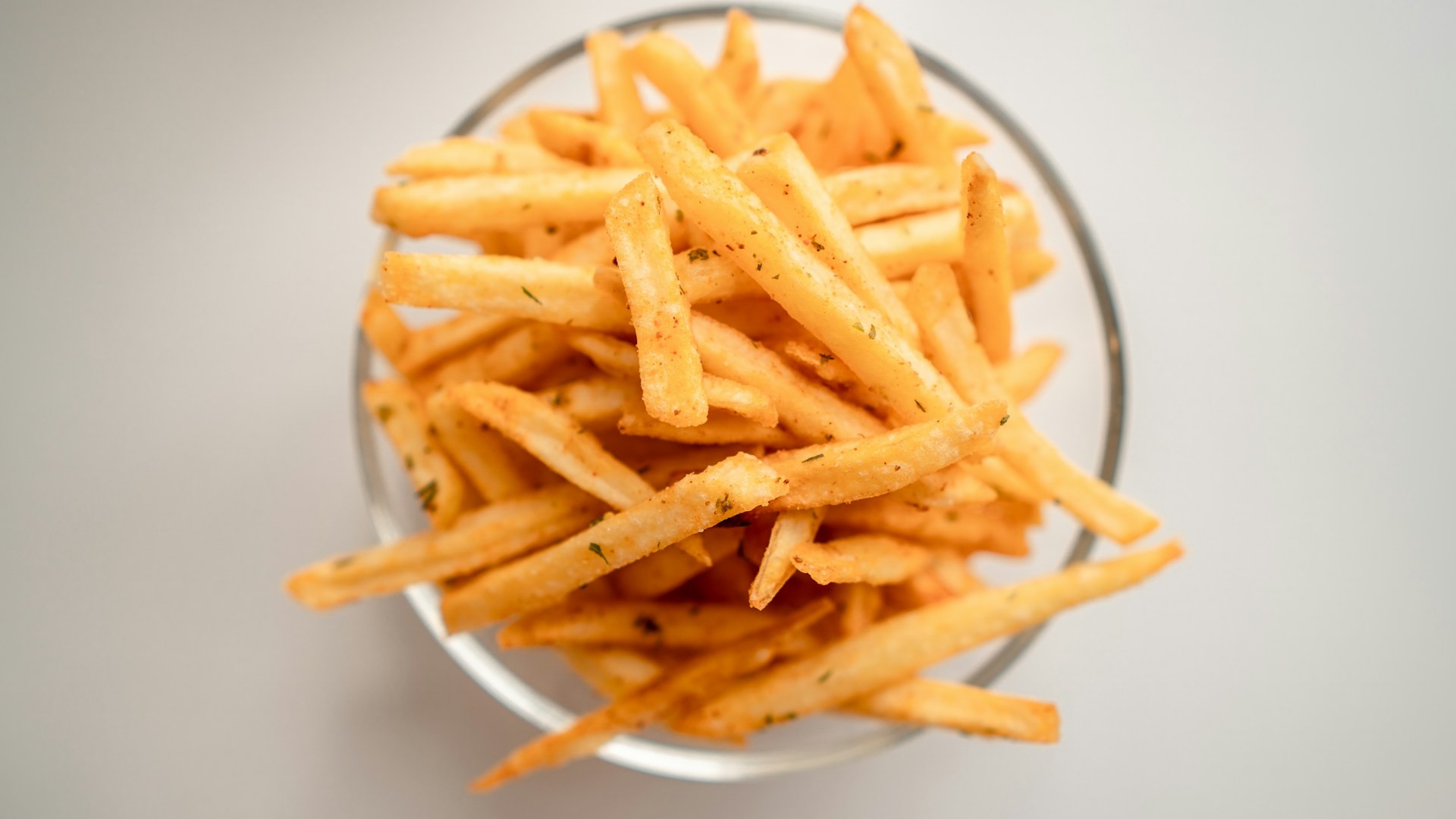
The team also noted that fries at Burger King and other fast food places have probably shrunk too. As they put it, people complain about that all the time.
A Consumer Expert Says Weight Is Not The Whole Story
To get a second opinion, the station talked with Edgar Dworsky of Consumer World. He says restaurants, like many of their customers, are trying to balance the rising cost of ingredients like beef.
He also cautions that weight by itself may not always tell the whole story. “Chicken fillets are not stamped out at a factory,” he said. “They’re individual sizes and there’s going to be some variability.”
Dworsky says he likes to look at nutritional data to see how portion sizes are changing, things like calories and grams of protein. Still, the station’s closing point stands: you may question whether you are getting as much food as you used to, but there is no question you are paying more for it.
How To Stretch Your Fast Food Dollar When Portions Are Shrinking
You cannot weigh your lunch in the parking lot, but you can shop smarter. Here are a few habits that help when the numbers keep creeping the wrong way.
First, compare price per ounce or per piece rather than the sticker price. A bigger combo that looks expensive can cost less per bite than three separate items, and the math takes only a few seconds on your phone.
Second, use the restaurant’s own app. Most big chains post mobile-only deals and loyalty rewards that knock a few dollars off an order, which can cancel out a good part of the price creep.
Third, look at the food before you drive away. If a sandwich looks skimpy or the nugget box seems light, politely ask the counter to look at it. Employees can often fix an obviously short order on the spot, and a friendly request goes a long way.
Fourth, read the nutrition information the chains post on their own sites. As Dworsky suggests, calories and protein show you what you are actually getting, and they are easier to compare from year to year than a menu price.
Finally, keep perspective. The Boston 25 team tested nine orders, and natural variation in hand-built food is real. But one number is hard to argue with: when prices rise nearly 40% and the box gets lighter, the value in a value meal is worth a second look before you pull up to the window.
More Stories You May Like
- Airbnb Is Barring Hosts From Asking Guests To Strip Beds, Wash Dishes Or Haul Trash Starting November 20th, And Every Checkout Chore Must Be Posted Up Front
- Restaurants Keep Getting Reservations That Never Show Up, And A Server Thinks The New Fad Is Guests Booking Several Spots Under Different Names And Going Wherever They Feel Like
- Shopper Tries The $13 Whole Foods Prepared Food Hack, Gets A Steak Entree And Two Sides, Then Admits The Steak Was A Little Dry And Bland