When you sit down at an Italian restaurant, it’s easy to fall into the trap of rushing your meal or treating it like just another stop on your tourist checklist. But the biggest mistake you can make is hurrying through the dining experience instead of savoring it. In Italy, eating is a ritual, not just something to get done.
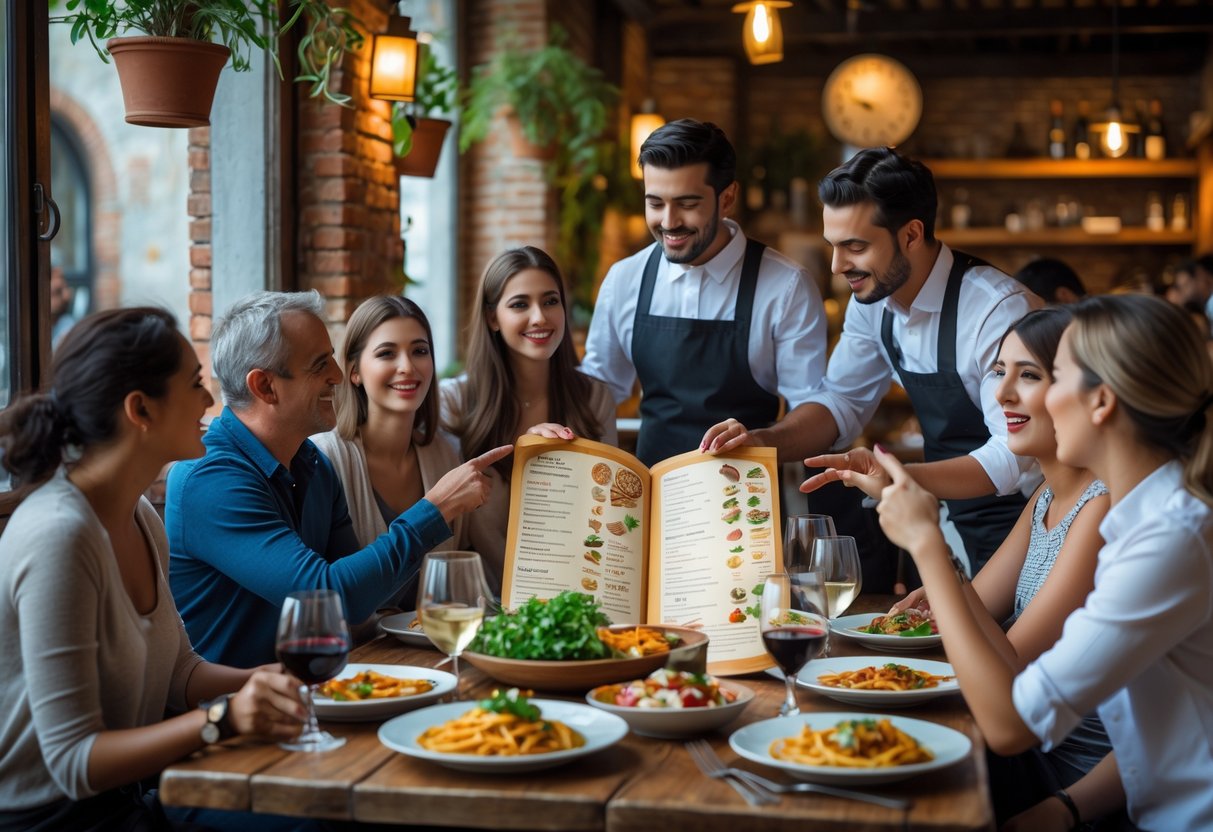
You might also get tripped up by things like digging into your bread before the food arrives or ordering dishes that don’t belong to the region you’re visiting. These small errors can take away from the authentic experience Italians value so much.
If you want to enjoy your meal the Italian way, it’s not just about what you eat but how you eat it. Taking your time and embracing local customs will change the way you see dining abroad.
Common Mistakes Tourists Make at Italian Restaurants
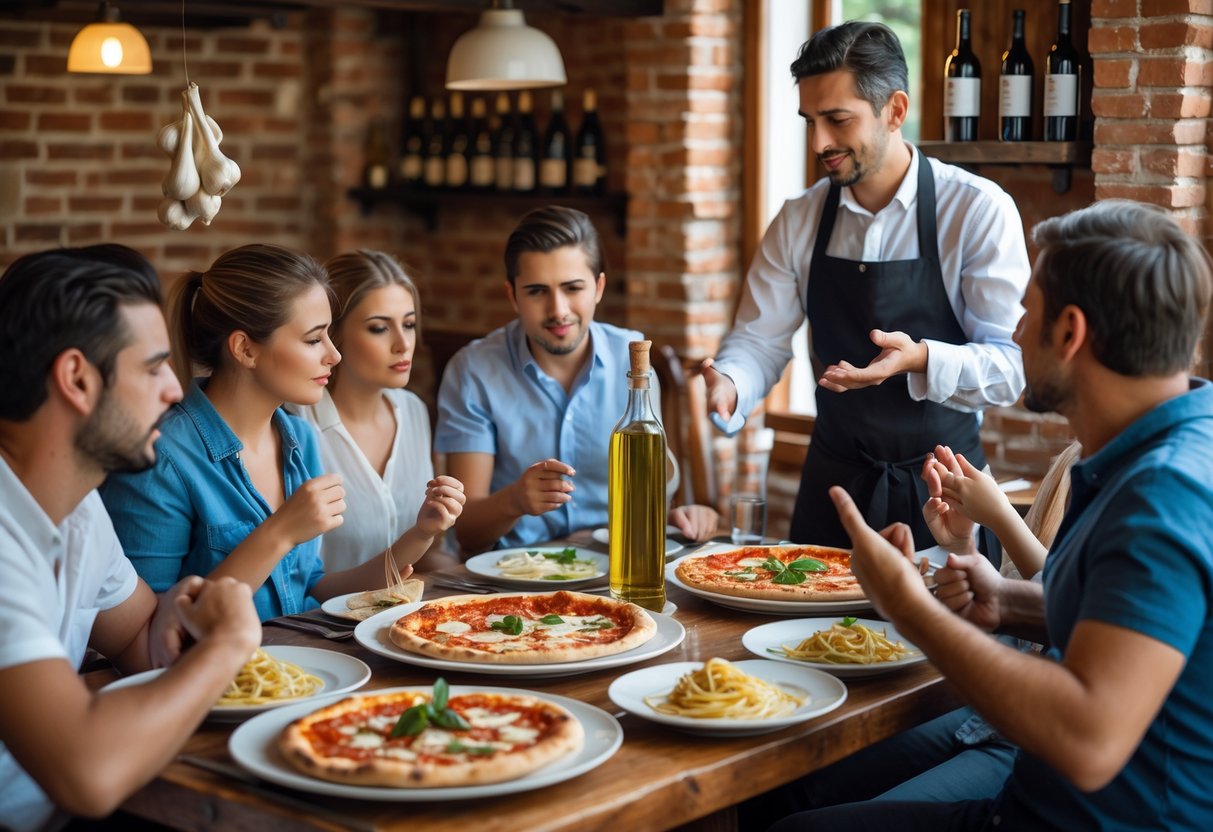
When dining in Italy, following local customs matters. It’s not just about what you eat but when and how you eat it. Small choices can affect your experience more than you might expect.
Ordering Food Out of Traditional Sequence
Italian meals follow a specific order: antipasto (starter), primo (pasta or soup), secondo (main meat or fish), and contorno (side dish). Jumping ahead or mixing these can confuse the flow. You don’t want to fill up on pasta and leave no room for the main course.
Each course is meant to be enjoyed fully before moving on. Ordering everything at once or skipping steps can seem rushed or disrespectful to the rhythm of the meal. Take your time and let each dish shine.
Misinterpreting the Bread Basket and Olive Oil
Bread is usually served as a side, not meant for dipping in olive oil or eating like a snack. In some regions, dipping bread in oil is frowned upon unless it’s mixed with vinegar or herbs.
It’s common to save a small piece of bread at the end to mop up leftover sauce, called fare la scarpetta. But eating bread with your pasta or as a prelude to the meal can be viewed as a mistake.
Requesting Menu Changes and Substitutions
Italian chefs value tradition, so asking for major changes rarely goes over well. Simple requests like “no onions” are okay, but demanding substitutions or ignoring the chef’s composition can seem rude.
Menus are designed to balance flavors carefully. If you insist on substitutions, you might disrupt the dish’s harmony. Embrace the menu as it is to get the most authentic experience.
Essential Tips for Dining Like a Local
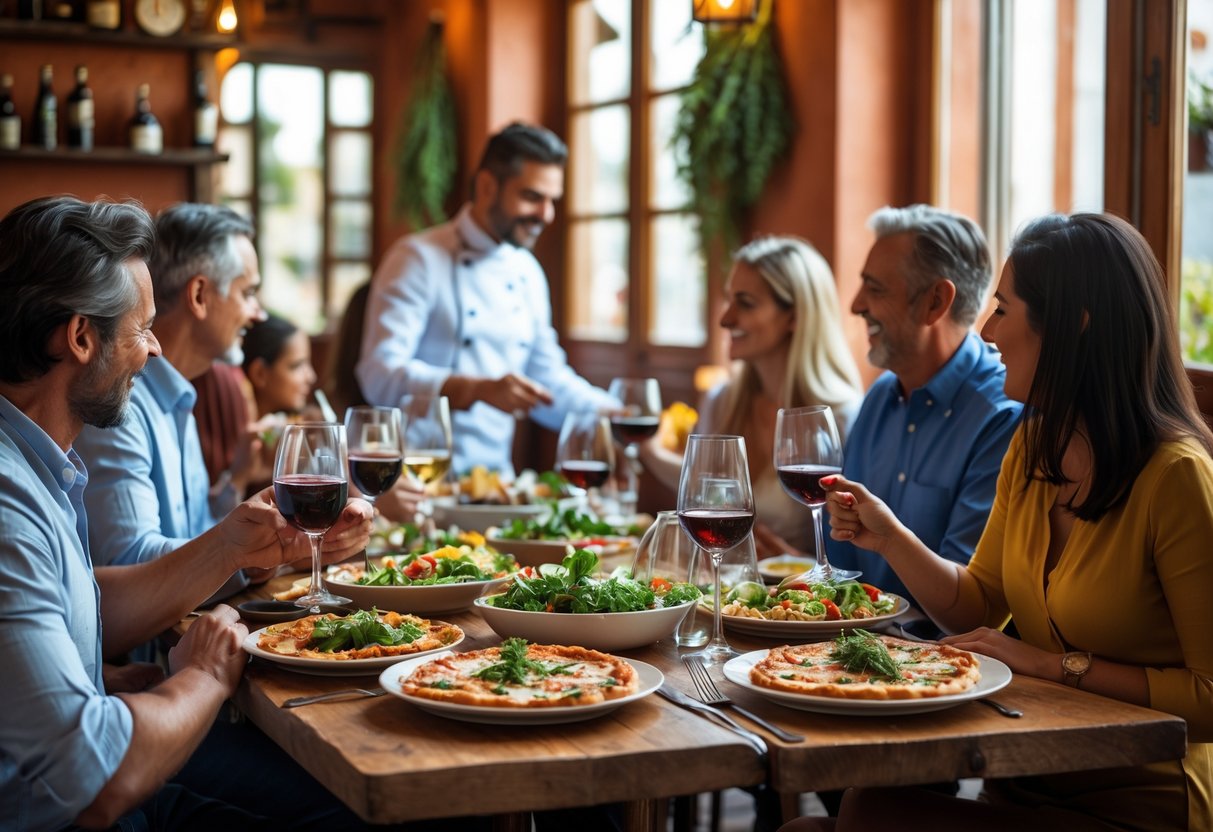
Knowing how a typical Italian meal flows, what drinks to order, and how to behave can make your dining experience smoother and more enjoyable. Paying attention to these details shows respect and helps you avoid common tourist mistakes.
Understanding Italian Meal Structure
Italian meals usually start with antipasti, small starters like cured meats or bruschetta. Then, you move on to primi, which are often pasta or soup dishes. After that comes the secondi, the main course, usually meat or fish.
You might also get contorni, side dishes like vegetables or salad, separate from the main course. Meals often end with dolce (dessert) and maybe an espresso. Meals are not rushed, so don’t expect quick turnovers. Take your time to enjoy each course.
Navigating the Beverage Menu
When it comes to drinks, Italians typically start with a glass of wine, often local or regional. Ordering wine that pairs with your food is a good move.
You’ll see options like vino della casa (house wine), which is usually affordable and decent. Coffee is usually served after the meal—never with it. Water is common, either still (naturale) or sparkling (frizzante), and it’s fine to ask for either.
Respecting Local Customs and Etiquette
In Italy, dining is a social ritual. You should avoid rushing your meal or asking for the check too early.
Dress nicely but casually; Italians appreciate neatness. Don’t call staff loudly—use eye contact or a polite hand gesture. It’s considered rude to mix many courses with fast food or order off-season dishes. Finally, always try to order local specialties based on the region you’re in.

As a mom of three busy boys, I know how chaotic life can get — but I’ve learned that it’s possible to create a beautiful, cozy home even with kids running around. That’s why I started Cultivated Comfort — to share practical tips, simple systems, and a little encouragement for parents like me who want to make their home feel warm, inviting, and effortlessly stylish. Whether it’s managing toy chaos, streamlining everyday routines, or finding little moments of calm, I’m here to help you simplify your space and create a sense of comfort.
But home is just part of the story. I’m also passionate about seeing the world and creating beautiful meals to share with the people I love. Through Cultivated Comfort, I share my journey of balancing motherhood with building a home that feels rich and peaceful — and finding joy in exploring new places and flavors along the way.