1. McDonald’s Arch Deluxe
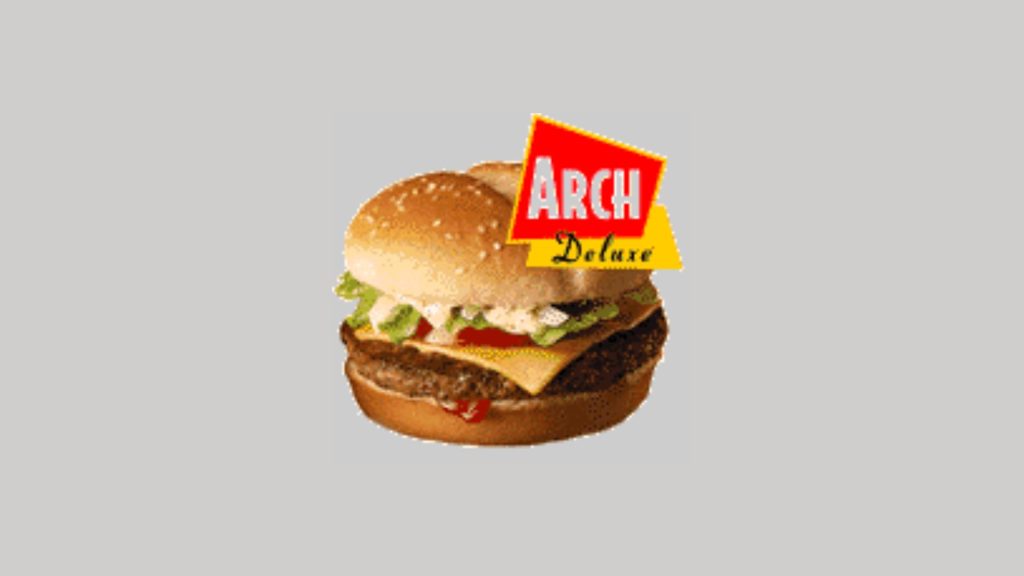
Introduced in the mid-90s, the Arch Deluxe was McDonald’s attempt to cater to a more mature audience. The burger was marketed as a premium product, featuring a quarter-pound beef patty, peppered bacon, lettuce, tomato, American cheese, onions, ketchup, and a secret “Arch Sauce” sandwiched between a potato-flour bun. Despite its sophisticated profile, the product was largely overlooked due to its higher price point and failure to resonate with the brand’s core audience.
The Arch Deluxe’s significance today is part of the broader trend in fast-food industry towards upscale offerings. Today’s consumers are willing to pay more for premium ingredients and unique flavor profiles, a shift from the cost-conscious mentality of the past. This underscores the importance of understanding the evolving consumer preferences and market trends. Learn more about the rise and fall of the Arch Deluxe here.
2. Burger King’s Satisfries
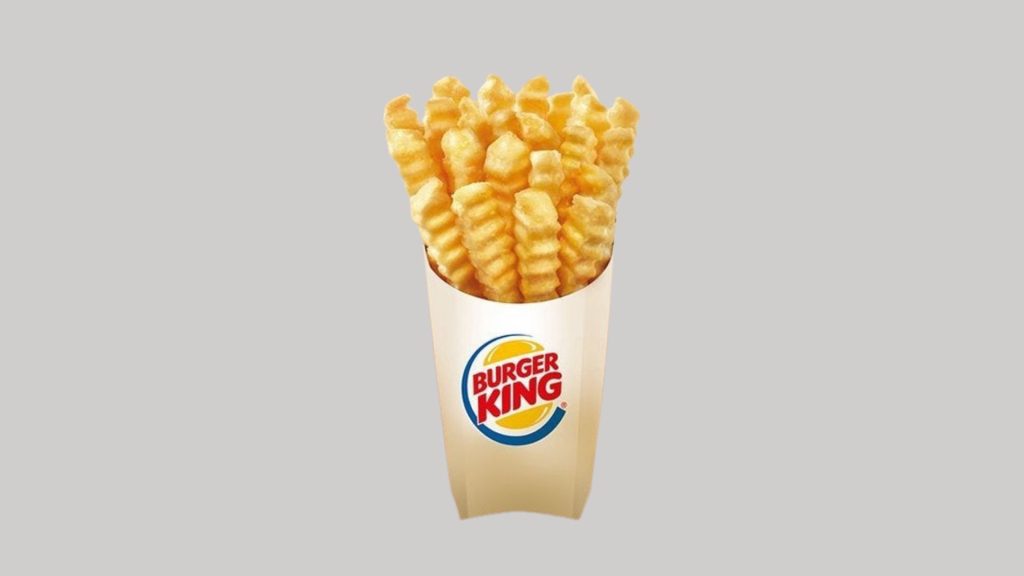
In 2013, Burger King rolled out Satisfries, a lower-calorie, lower-fat version of their classic french fries. The product was created in response to the growing demand for healthier fast food options. However, despite its promising concept, Satisfries did not live up to the company’s expectations. The product was discontinued after a year due to lackluster sales.
The story of Satisfries serves as a reminder of the challenges associated with balancing health and taste in the fast food industry. It also points to the value of consumer feedback in product development and the importance of market testing. Explore more about the rise and fall of Satisfries here.
3. Taco Bell’s Bell Beefer
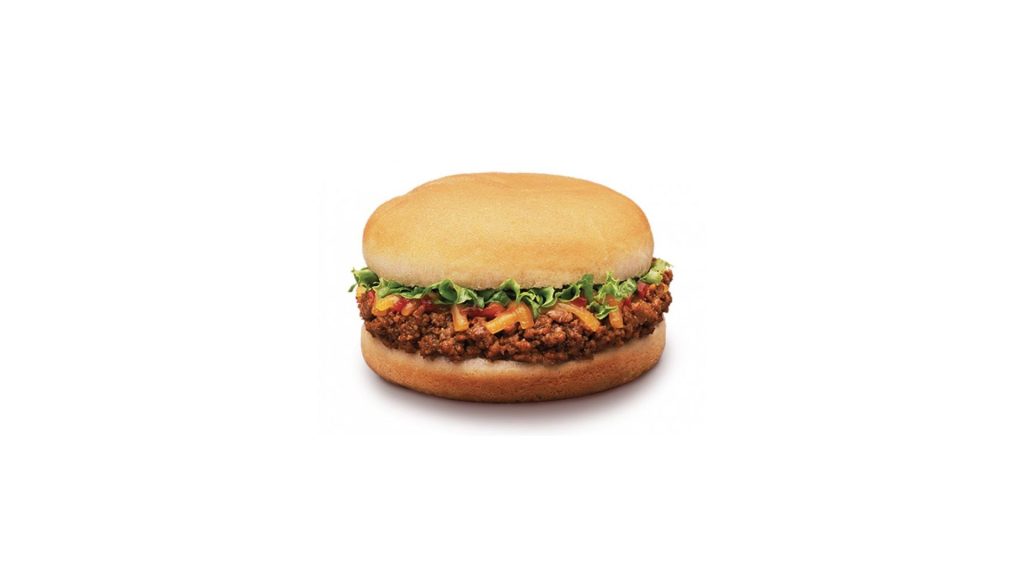
The Bell Beefer was Taco Bell’s take on the classic American hamburger. Introduced in the 1970s, the product was essentially a sloppy joe, featuring a bun filled with seasoned ground beef, lettuce, and cheese. While the product had its loyal fans, it was ultimately overshadowed by the brand’s more popular offerings like tacos and burritos.
Despite its discontinuation, the Bell Beefer remains a fascinating case study on brand identity and product positioning in the fast-food industry. It serves as a reminder for brands to focus on their strengths and core offerings rather than trying to mimic their competitors. Learn more about the history of the Bell Beefer here.
4. Wendy’s Superbar
Back in the 80s and 90s, Wendy’s Superbar offered customers a smorgasbord of buffet options ranging from pasta to Mexican food. The concept was initially popular due to its novelty and value for money. However, maintaining the quality and freshness of the buffet items proved to be a challenge, leading to its eventual discontinuation.
Today, the Superbar serves as a cautionary tale for fast food chains considering the buffet model, particularly in light of current safety and hygiene concerns. It also points to the potential pitfalls of straying too far from a brand’s core offerings. Dive deeper into the history of Wendy’s Superbar here.
5. Pizza Hut’s Priazzo
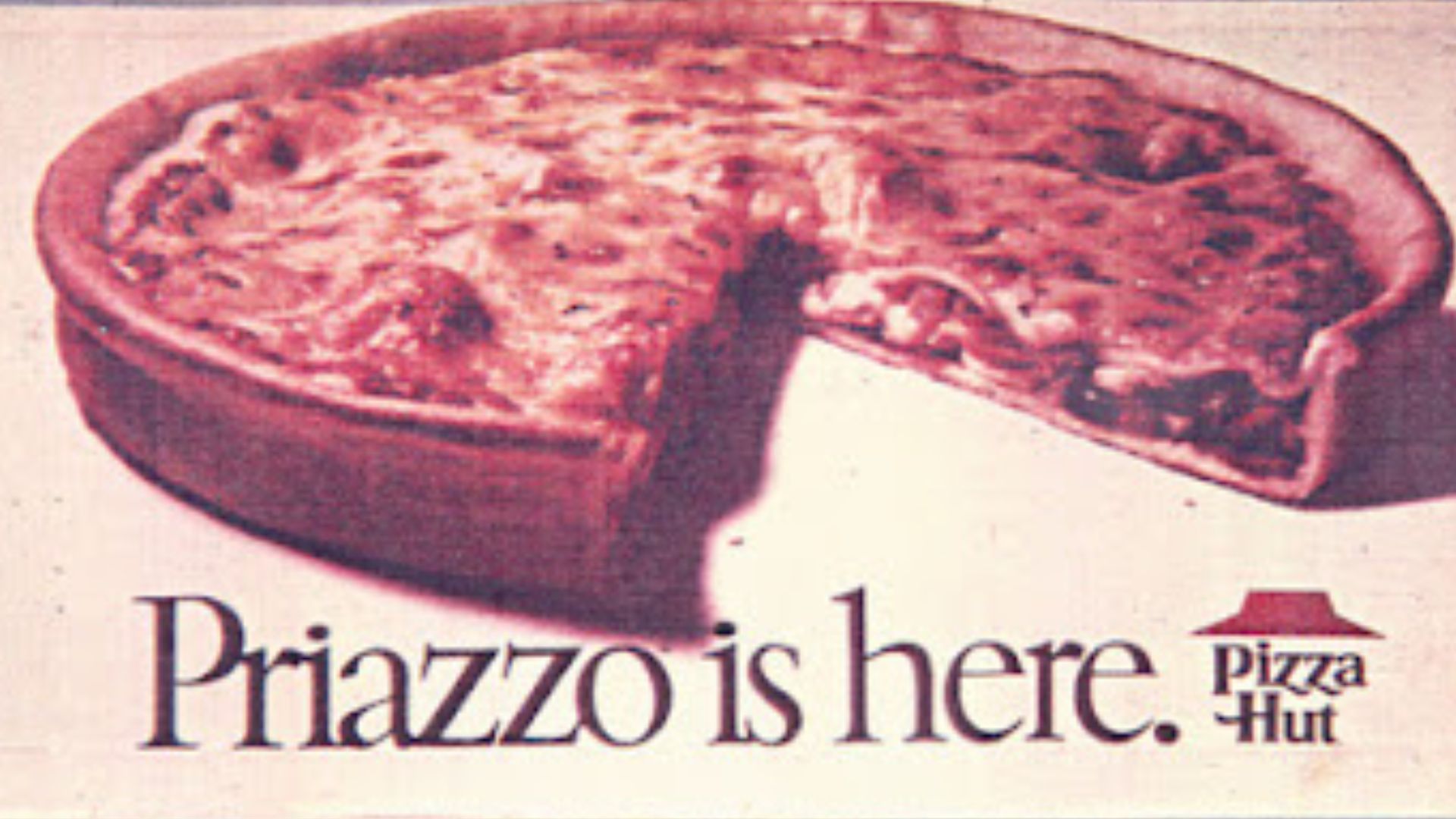
Launched in the 1980s, the Priazzo was Pizza Hut’s take on the deep-dish pizza. The product featured two layers of crust filled with different kinds of cheese, meats, and vegetables. Despite its unique concept, the Priazzo was time-consuming to make, leading to longer waits for customers and its eventual removal from the menu.
Looking back, the Priazzo illustrates the importance of operational efficiency in the fast-food industry. It also underscores the challenges of introducing complex products in a market that values speed and convenience. Learn more about the history of the Priazzo here.
6. KFC’s Double Down
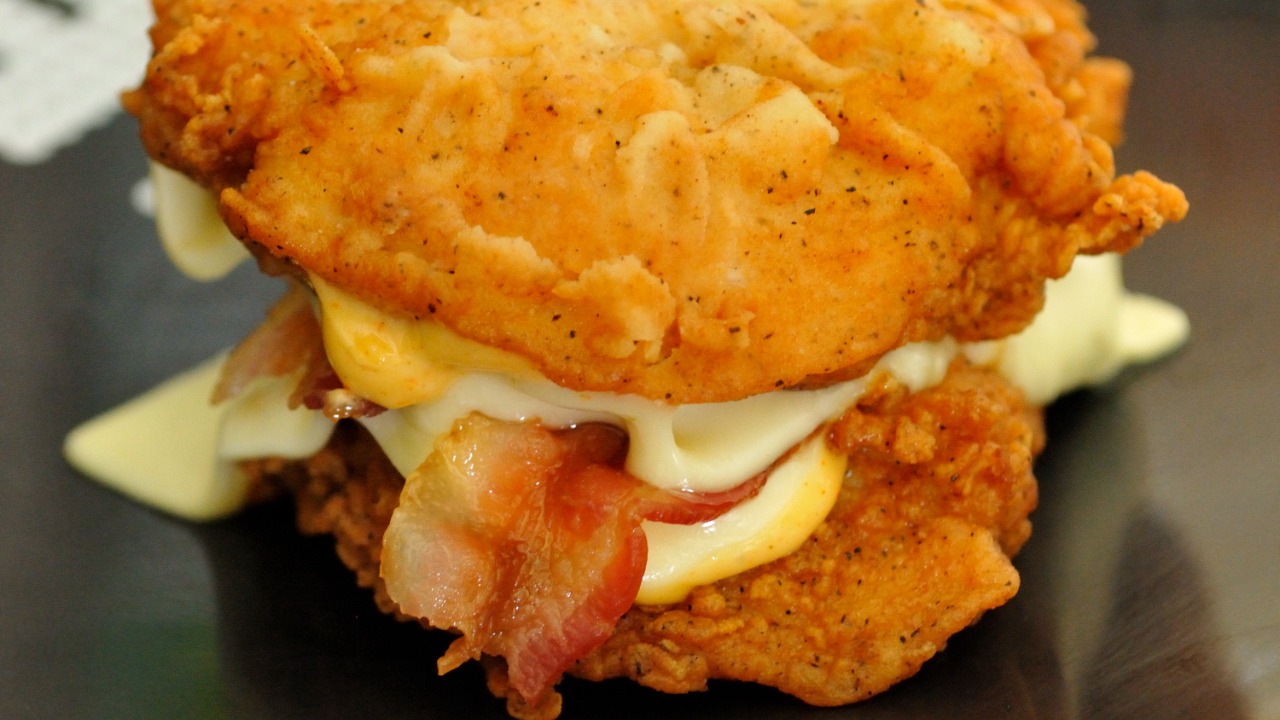
KFC’s Double Down burger, introduced in 2010, was the embodiment of indulgence. Instead of a traditional bun, the sandwich featured two pieces of fried chicken fillets holding together bacon, two types of cheese, and the Colonel’s secret sauce. Despite its initial popularity, the product was largely seen as a novelty item and was eventually phased out.
The Double Down’s legacy is a testament to the power of creative marketing in the fast-food industry. It also speaks to the ongoing trend of indulgence and comfort food, particularly in challenging times. Discover more about the rise and fall of the Double Down here.
7. McDonald’s McDLT
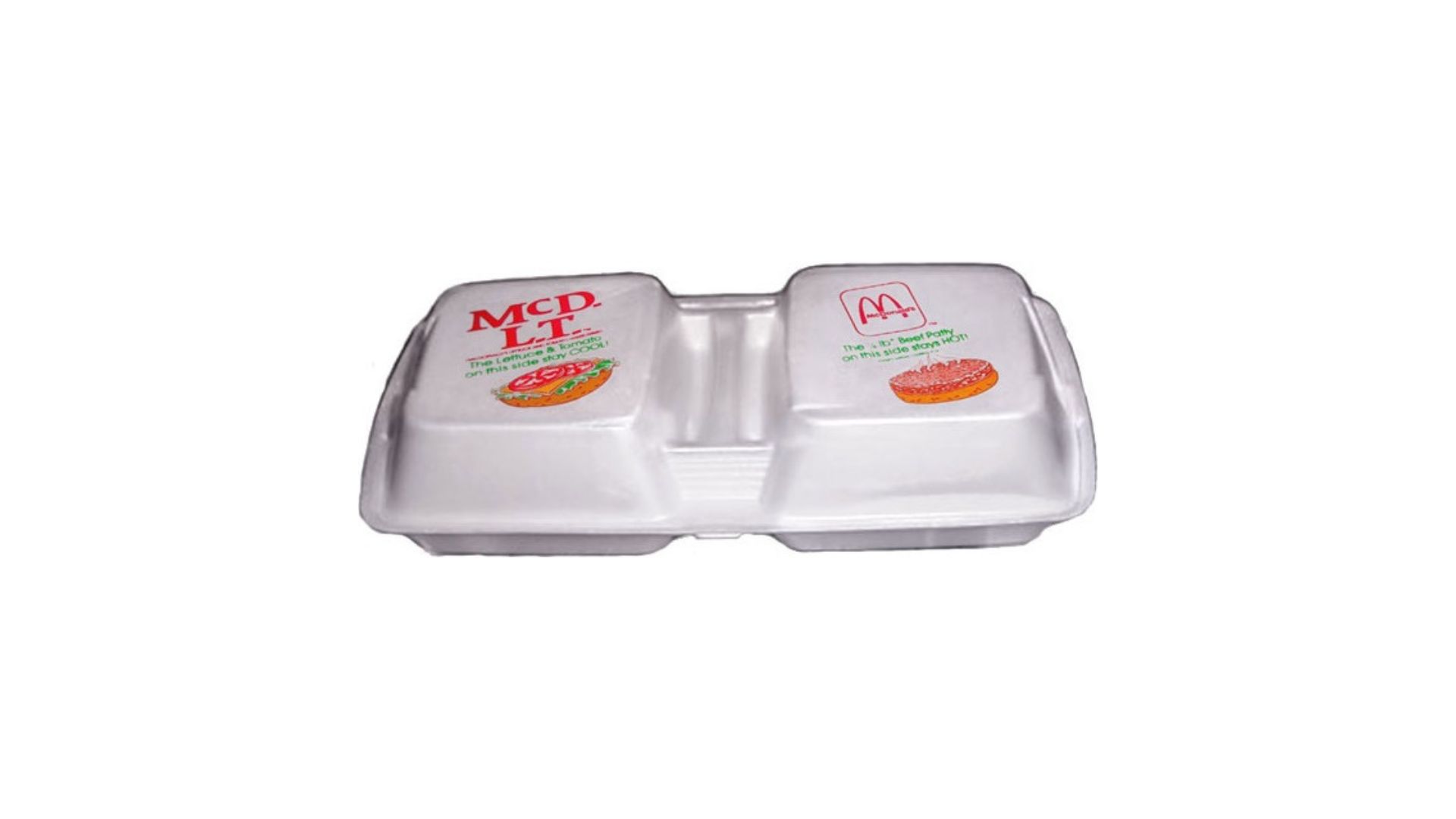
The McDLT, introduced by McDonald’s in the early 80s, was a unique take on the classic burger. The product was served in a two-compartment styrofoam container, keeping the lettuce and tomato separate from the hot beef patty and bun. Despite its innovative design, the product was eventually discontinued due to concerns about the environmental impact of its packaging.
Today, the McDLT serves as a lesson in the importance of sustainable practices in the fast-food industry. It highlights the growing consumer demand for environmentally-friendly packaging and the impact of public perception on product success. Read more about the McDLT’s history here.

As a mom of three busy boys, I know how chaotic life can get — but I’ve learned that it’s possible to create a beautiful, cozy home even with kids running around. That’s why I started Cultivated Comfort — to share practical tips, simple systems, and a little encouragement for parents like me who want to make their home feel warm, inviting, and effortlessly stylish. Whether it’s managing toy chaos, streamlining everyday routines, or finding little moments of calm, I’m here to help you simplify your space and create a sense of comfort.
But home is just part of the story. I’m also passionate about seeing the world and creating beautiful meals to share with the people I love. Through Cultivated Comfort, I share my journey of balancing motherhood with building a home that feels rich and peaceful — and finding joy in exploring new places and flavors along the way.