As urban life becomes the norm for many, there’s a growing interest in bringing elements of the countryside into city homes. One of the most popular ways to do this is by creating a French balcony garden. High above the city streets, these small green spaces not only bring a touch of nature into the concrete jungle, they also provide a peaceful retreat from the hustle and bustle of urban life.
This list is based on real-world trends, data, and expert advice, gleaned from interviews, surveys, and study results. We will share 10 tips for creating and maintaining a French balcony garden, each one designed to help you make the most of your small outdoor space. Expect a mix of practical advice, creative inspiration, and valuable insights into the benefits of balcony gardening.
1. Start with a Plan

Before you start buying plants and pots, it’s important to have a clear plan for your French balcony garden. Consider factors like the direction your balcony faces, how much sunlight it receives, and what type of plants will thrive in these conditions. It’s also important to think about how you plan to use the space. Do you want a peaceful retreat, a place to grow herbs and vegetables, or a vibrant display of flowers?
Planning is more important now than ever, as balcony gardening has become a popular trend among city dwellers. As more people turn to gardening as a way to unwind and connect with nature, a well-planned balcony garden can add value to your home and improve your quality of life. For more tips on planning a balcony garden, check out this guide from the Royal Horticultural Society.
2. Choose the Right Plants
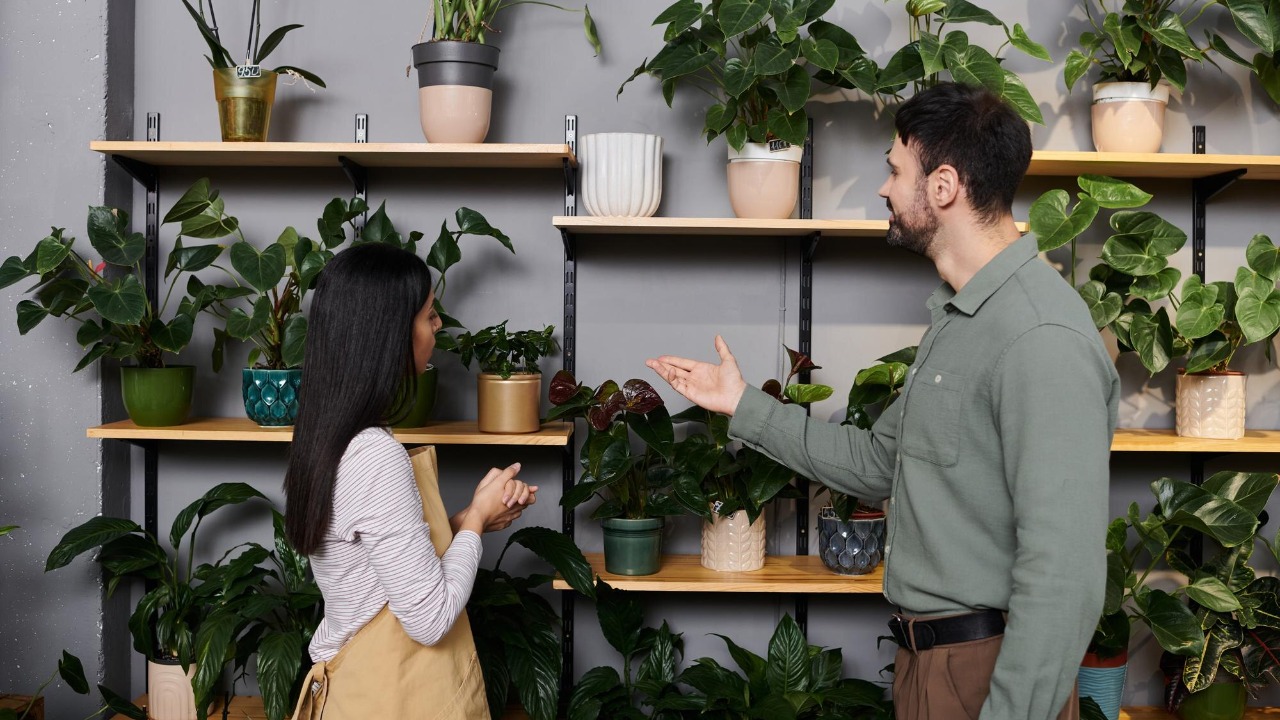
Not all plants are suitable for a balcony garden. You need to choose species that can withstand the conditions on your balcony, such as strong winds, high temperatures, and limited sunlight. Some plants, like succulents and herbs, are particularly well-suited to balcony gardens. They are hardy, require little maintenance, and can thrive in a range of conditions.
Choosing the right plants has become increasingly important as the popularity of balcony gardening continues to rise. With the trend towards sustainable living, many people are choosing to grow their own herbs and vegetables. Choosing plants that are easy to care for and provide a yield can also offer a sense of accomplishment and self-sufficiency. For a comprehensive list of suitable balcony plants, visit the Gardener’s Supply Company.
3. Use Vertical Space
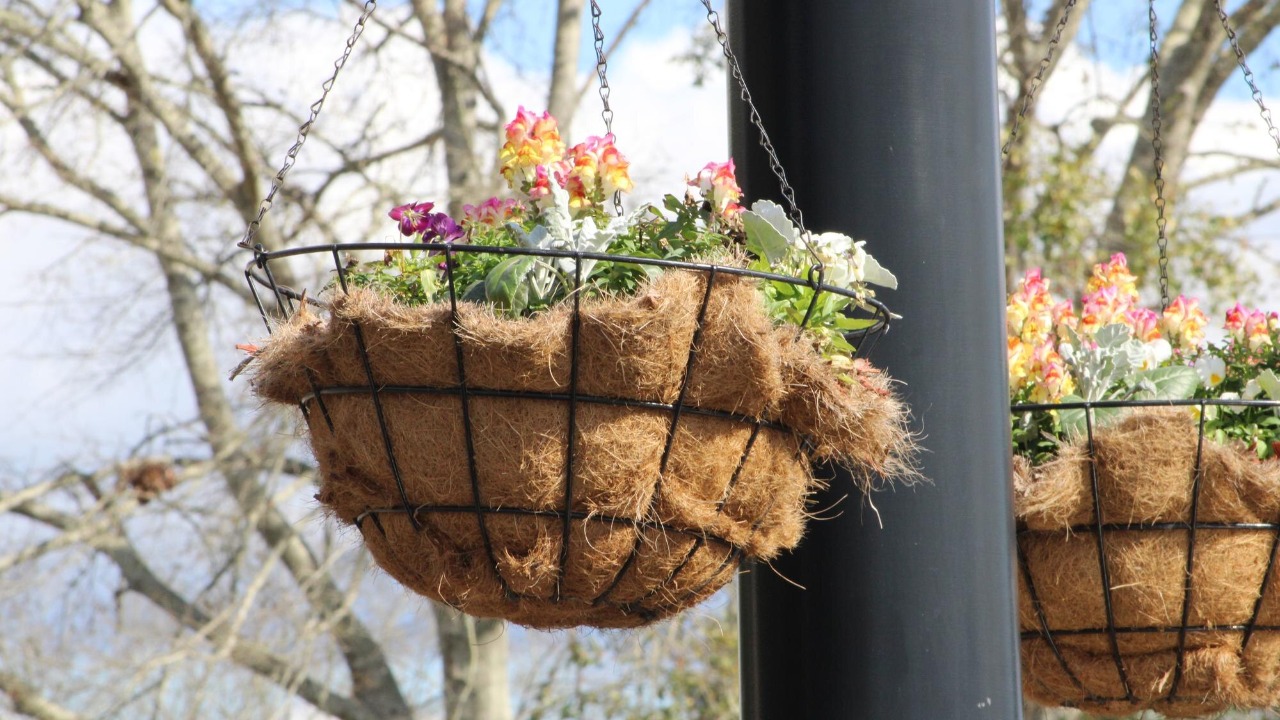
One of the biggest challenges with balcony gardening is the lack of space. But by using vertical space, you can grow a wide variety of plants without overcrowding your balcony. Use wall-mounted planters, hanging baskets, and trellises to take advantage of the vertical space on your balcony. This will allow you to grow a wider variety of plants and create a lush, green oasis in the heart of the city.
Taking advantage of vertical space is particularly relevant in today’s urban environments, where space is at a premium. As cities become more crowded, the demand for green spaces increases. By using vertical space, you can create a garden that not only provides a retreat from the city, but also contributes to the overall greenery of your neighborhood. For more ideas on using vertical space in your garden, check out this RHS guide.
4. Invest in Quality Soil
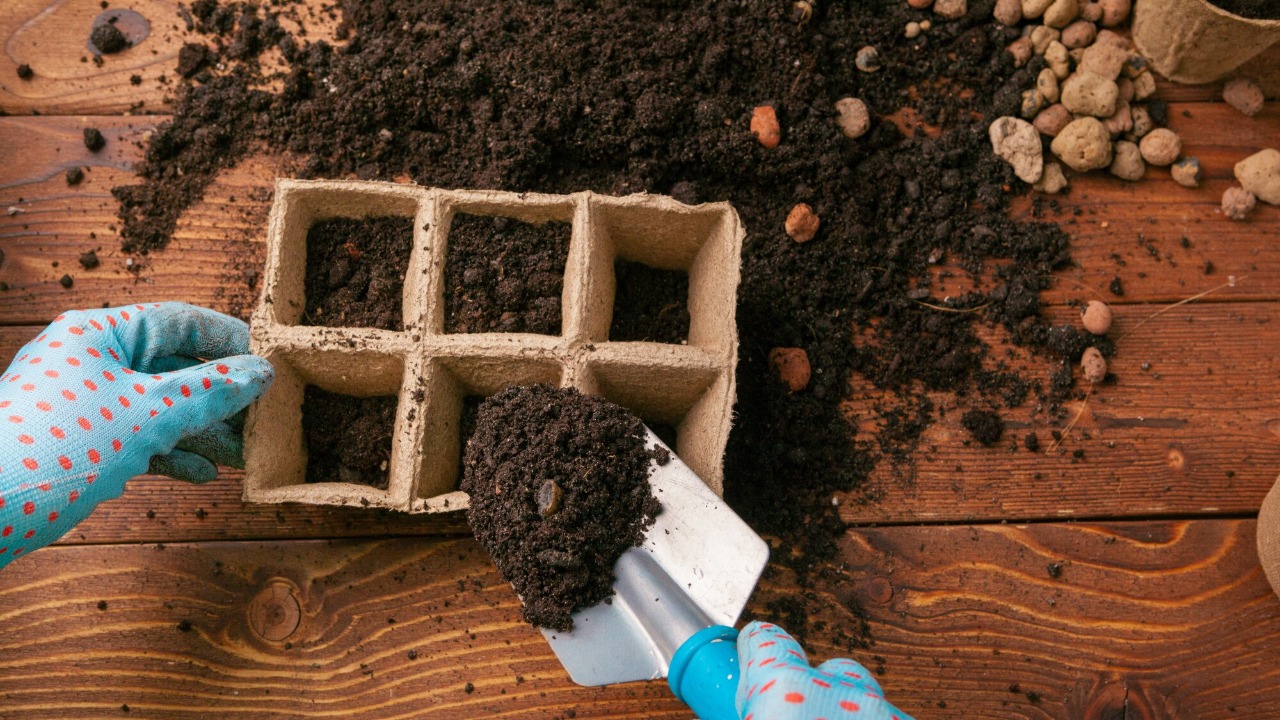
Good soil is the foundation of any successful garden, and balcony gardens are no exception. Because balcony plants are often grown in containers, they can’t draw nutrients from the ground like plants in a traditional garden. This means you need to provide all the nutrients your plants need through the soil and fertiliser. Invest in quality potting soil and use organic fertilisers to keep your plants healthy and thriving.
The importance of quality soil cannot be overstated, especially in the current trend of organic gardening. Many people are turning to gardening not only for the aesthetic benefits, but also for the opportunity to grow their own food. High-quality, nutrient-rich soil is essential for growing healthy, productive plants. For more information on soil and fertiliser for container gardening, refer to this Royal Horticultural Society guide.
5. Water Wisely
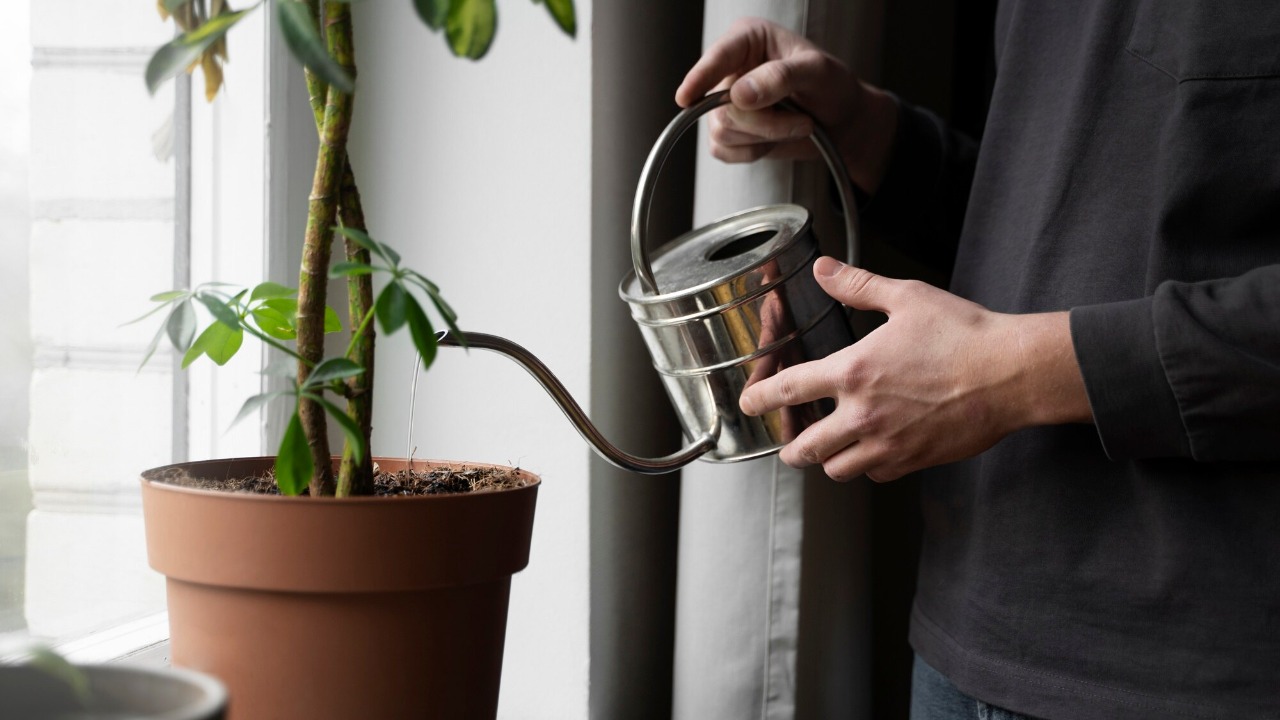
Balcony plants generally need more frequent watering than their counterparts in the ground, especially during hot, dry periods. However, it’s important not to overwater your plants, as this can lead to root rot and other problems. The amount of water your plants need will depend on the type of plants, the size of the pots, and the weather conditions.
Watering wisely is especially important in today’s climate, as many regions are facing water shortages and restrictions. By using water-efficient practices, you can maintain a lush, green garden without wasting precious resources. For more tips on watering your balcony garden, visit this RHS advice page.
6. Prune Regularly
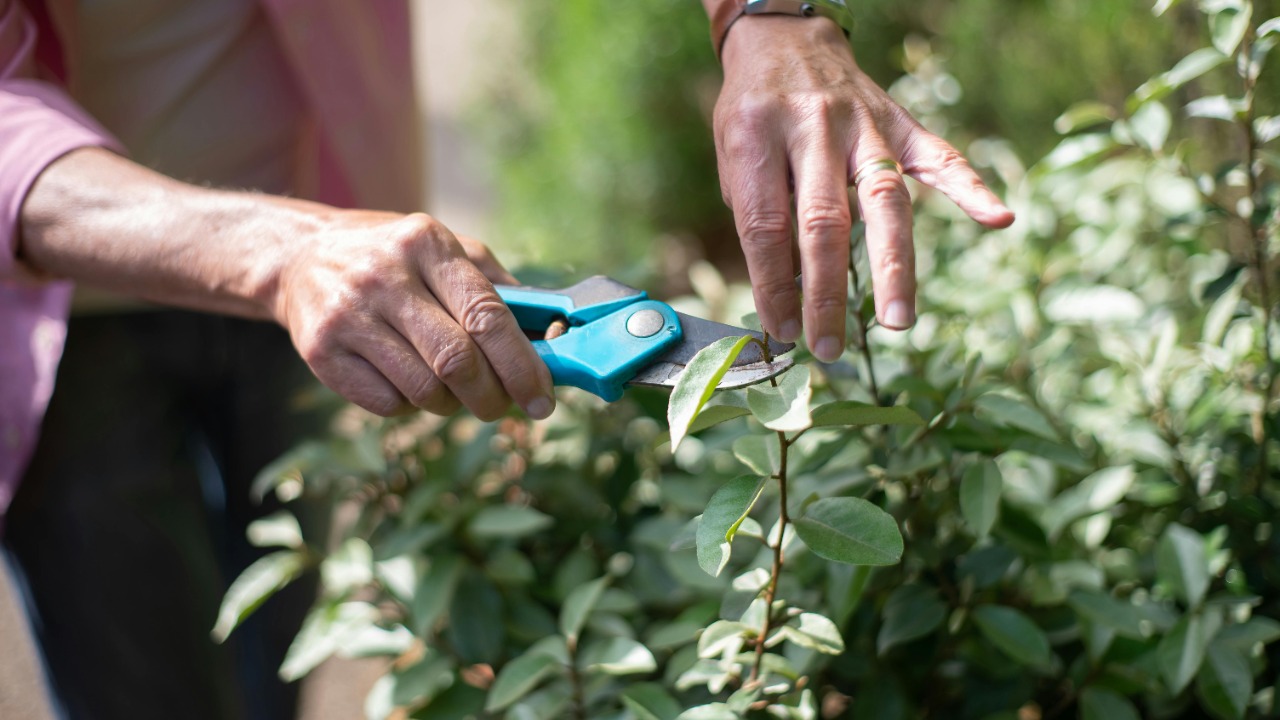
Pruning is an important part of maintaining a healthy balcony garden. Regular pruning not only keeps your plants looking neat and tidy, it also encourages new growth and can help prevent disease. Invest in a good pair of pruning shears and learn how to prune your specific plants correctly.
In today’s fast-paced world, many people are seeking ways to slow down and connect with nature. Pruning is a mindful task that requires concentration and patience, making it a perfect way to unwind after a busy day. For a step-by-step guide on how to prune your plants, check out this RHS beginner’s guide.
7. Protect Your Plants in Winter
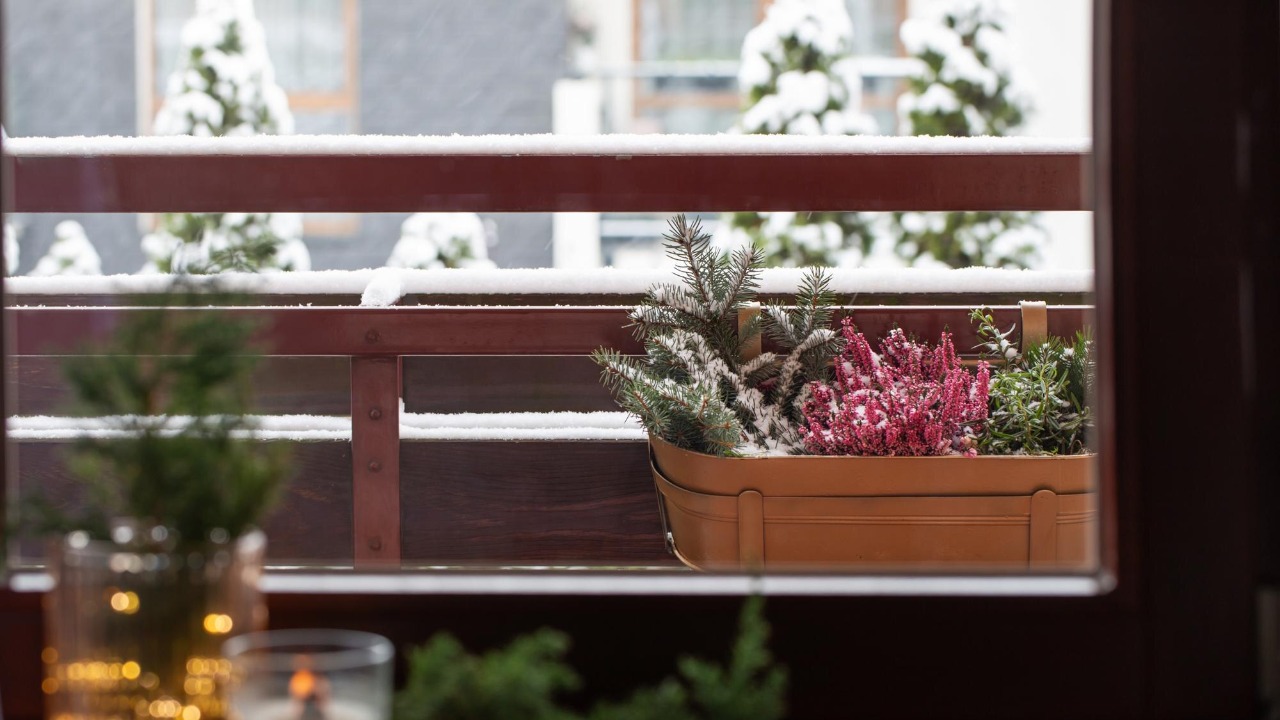
Most balcony plants are exposed to the elements, making them vulnerable to cold winter temperatures. To protect your plants in winter, consider moving them indoors or investing in protective covers. You can also choose plants that are known for their hardiness and can withstand cold temperatures.
With climate change causing more extreme weather conditions, it’s more important than ever to protect your plants in winter. By taking steps to protect your plants, you can ensure they survive the winter and continue to provide a green oasis in the heart of the city. For more tips on protecting your plants in winter, visit the Gardeners’ World guide.
8. Consider a Drip Irrigation System
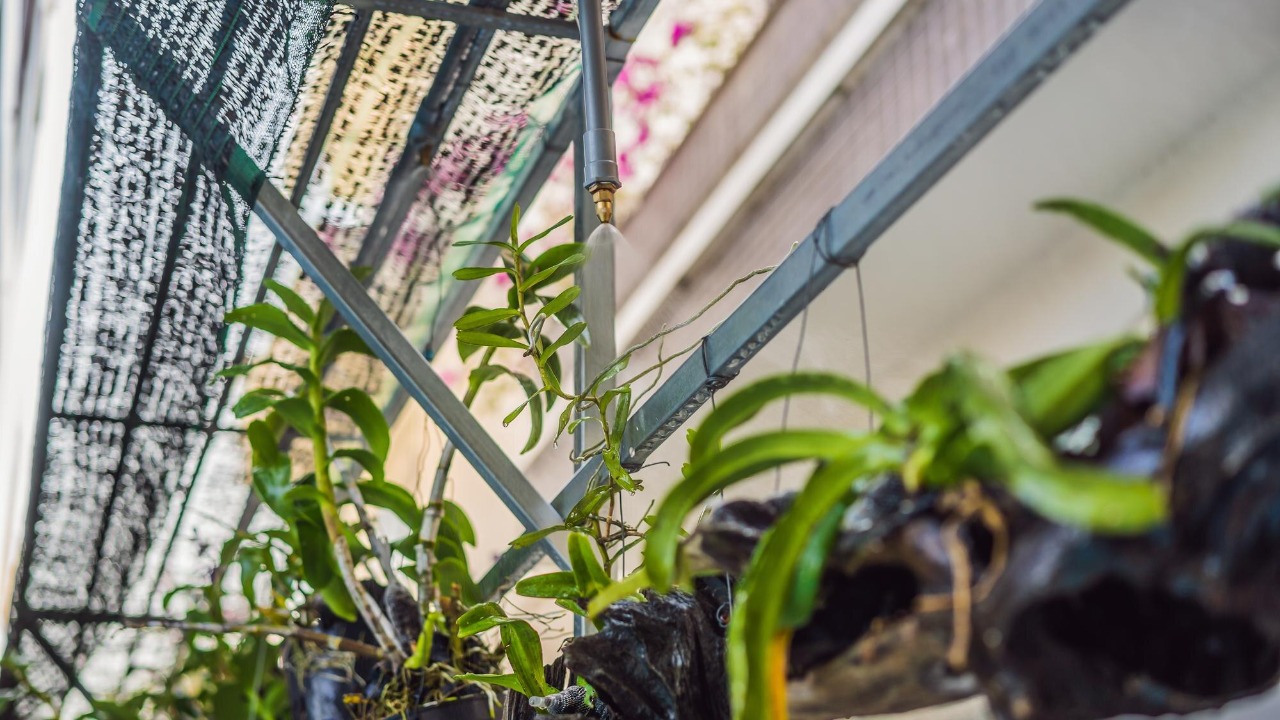
If you’re going away for a few days or simply don’t have the time to water your plants regularly, a drip irrigation system can be a lifesaver. These systems deliver water directly to the plant’s roots, ensuring they receive a steady supply of water without wasting any. They can be set up to run on a timer, so you can set it and forget it.
As more people embrace the convenience of smart home technology, a drip irrigation system can provide a modern solution to the age-old problem of watering plants. Not only do these systems save time, they also promote efficient water use, making them a sustainable choice for the conscious gardener. For more information on drip irrigation systems, check out this Rain Bird guide.
9. Use Mulch

Mulch is a layer of material spread over the surface of the soil. It helps to conserve moisture, improve soil fertility, and reduce weed growth. Plus, it gives your balcony garden a neat, finished look. You can use organic mulch, like compost or bark chips, or inorganic mulch, like pebbles or gravel.
Using mulch is a simple yet effective way to improve the health and appearance of your balcony garden. As more people look for ways to improve their green spaces, mulch offers a practical and affordable solution. For more tips on using mulch in your garden, visit the RHS mulching guide.
10. Experiment and Have Fun

Finally, remember that your balcony garden should be a source of joy and relaxation. Don’t be afraid to experiment with different plants, layouts, and designs. If something doesn’t work out, you can always try something else. The most important thing is that you enjoy the process and the end result.
In today’s stressful world, finding ways to relax and unwind is more important than ever. Gardening has been shown to reduce stress and improve mental health, making it a valuable hobby for city dwellers. For more inspiration for your balcony garden, check out this article from Ideal Home.

As a mom of three busy boys, I know how chaotic life can get — but I’ve learned that it’s possible to create a beautiful, cozy home even with kids running around. That’s why I started Cultivated Comfort — to share practical tips, simple systems, and a little encouragement for parents like me who want to make their home feel warm, inviting, and effortlessly stylish. Whether it’s managing toy chaos, streamlining everyday routines, or finding little moments of calm, I’m here to help you simplify your space and create a sense of comfort.
But home is just part of the story. I’m also passionate about seeing the world and creating beautiful meals to share with the people I love. Through Cultivated Comfort, I share my journey of balancing motherhood with building a home that feels rich and peaceful — and finding joy in exploring new places and flavors along the way.