Dirty Menus
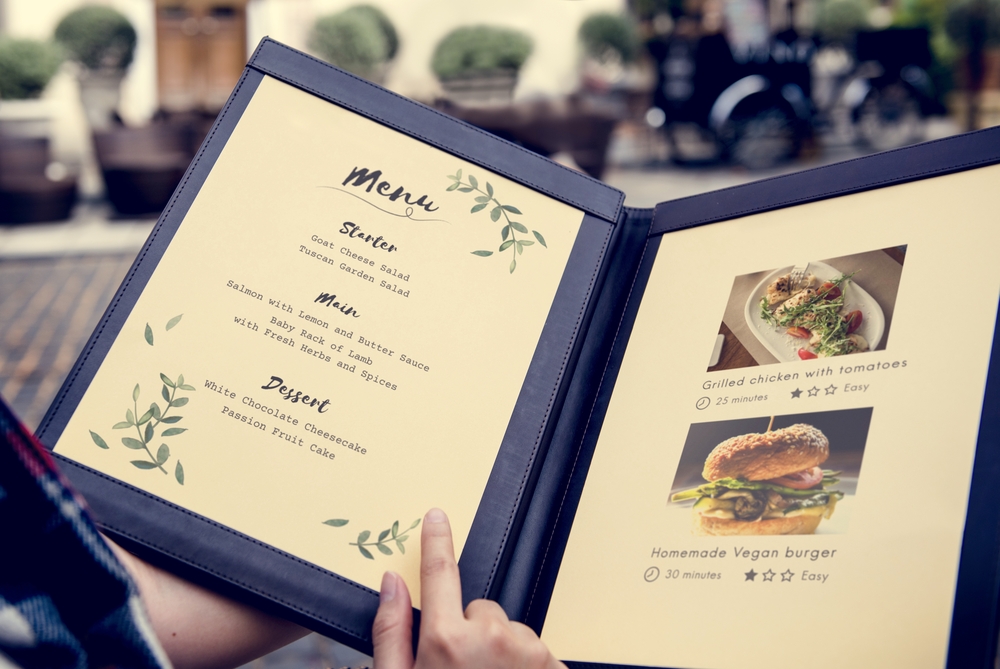
A dirty menu is more than just an eyesore; it’s a sign of a restaurant’s attitude towards hygiene. Chefs know that cleanliness should extend beyond the kitchen, and a dirty menu is a clear indication that the restaurant may not be taking cleanliness seriously. Customers often overlook this as they are more focused on the food and ambiance, but it’s a major red flag for anyone with a keen eye for detail.
With the current emphasis on health and safety due to the COVID-19 pandemic, cleanliness in restaurants is more important than ever. A dirty menu could be a breeding ground for germs, putting customers at risk. It’s a clear sign that the restaurant may be cutting corners when it comes to hygiene. The CDC recommends regular cleaning and disinfecting of frequently touched surfaces, including menus, in restaurant settings.
Stale Bread
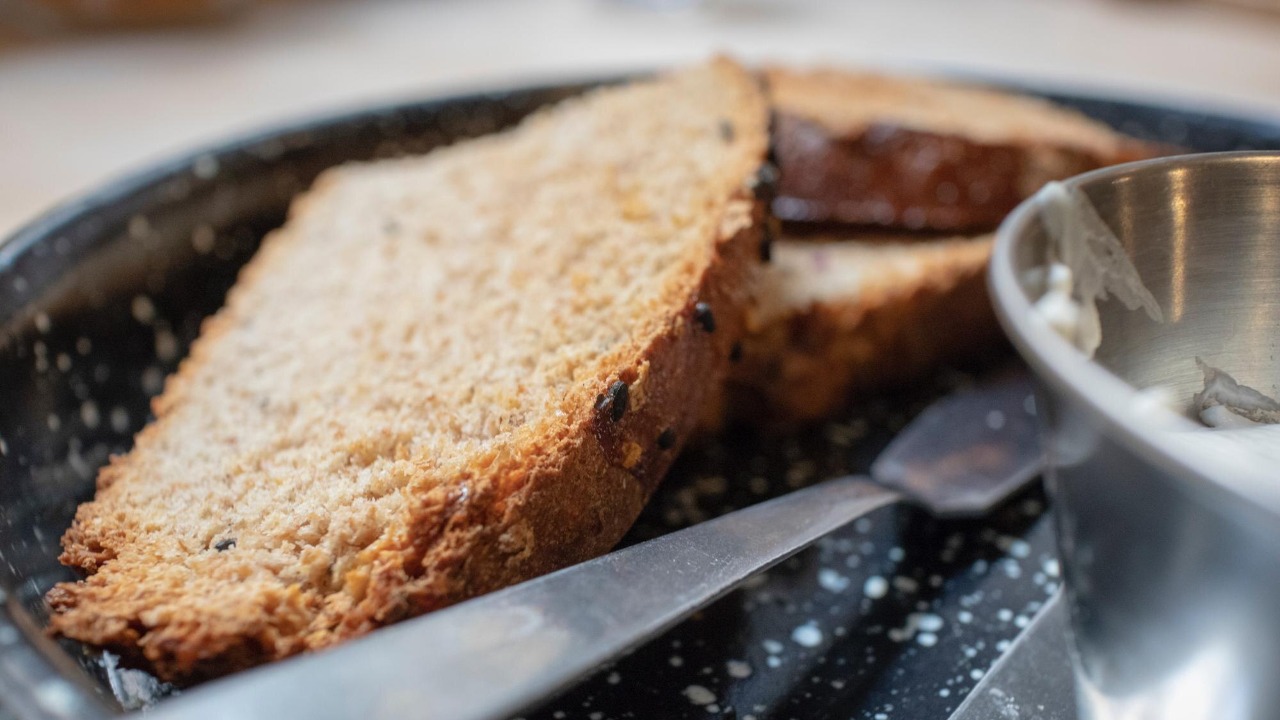
Stale bread served at the start of a meal is a clear indication of a restaurant’s attitude towards food quality. Chefs understand the importance of freshness in every component of a meal, and bread is no exception. While many diners might overlook stale bread, assuming it doesn’t reflect the quality of the main meal, chefs know that it’s a red flag indicating potential issues with food freshness.
In the current food scene, where there’s a strong emphasis on high-quality, fresh ingredients, serving stale bread is unacceptable. It signals a lack of attention to detail and a disregard for the customer’s dining experience. Bon Appétit highlights the importance of good bread in restaurants, stating that it often sets the tone for the entire meal.
Overly Extensive Menus
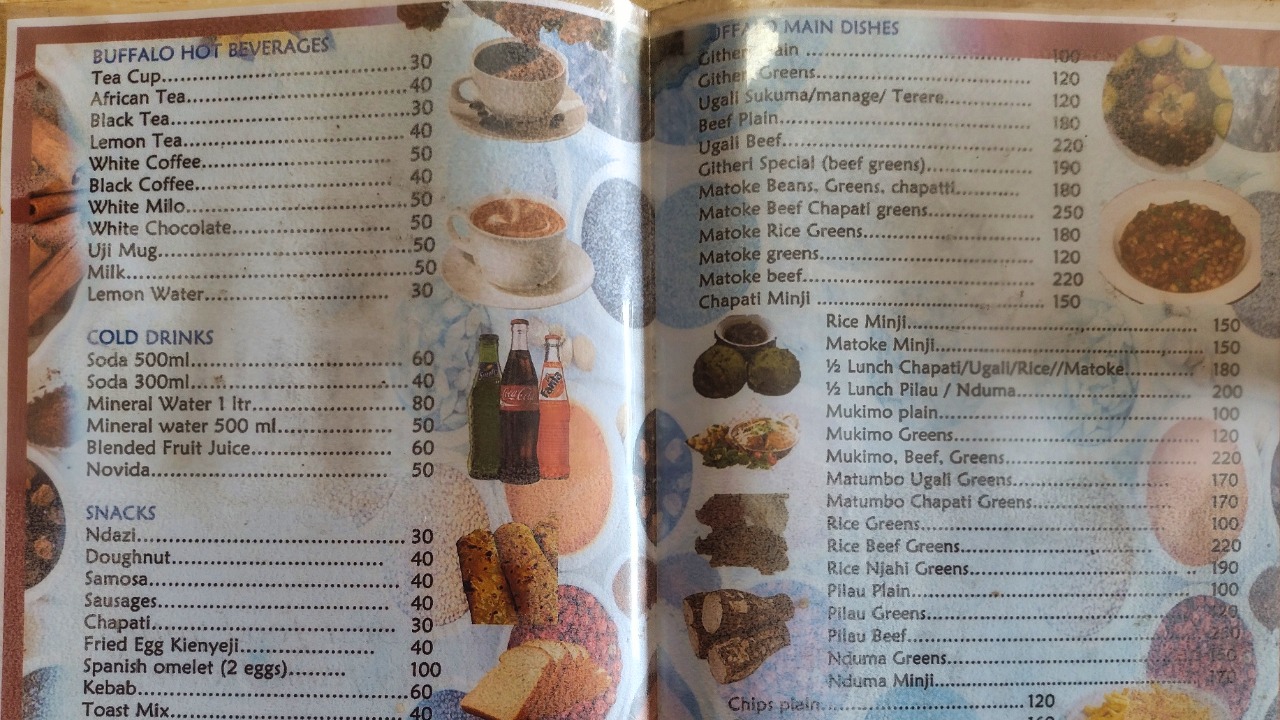
An overly extensive menu might seem like a sign of a restaurant’s versatility and culinary prowess to the average diner, but chefs view it as a red flag. A menu with too many options often indicates a lack of focus and can suggest that the restaurant is more concerned with quantity over quality. It’s difficult to maintain high standards of freshness and quality when a restaurant is trying to do too much.
As consumers become increasingly educated about food and more discerning in their choices, there’s a growing trend towards simpler, more focused menus. Restaurants with extensive menus may struggle to keep up with the demand for high-quality, well-executed dishes. QSR Magazine reports on this trend, noting that smaller menus often lead to faster service and better food quality.
Unfriendly Staff
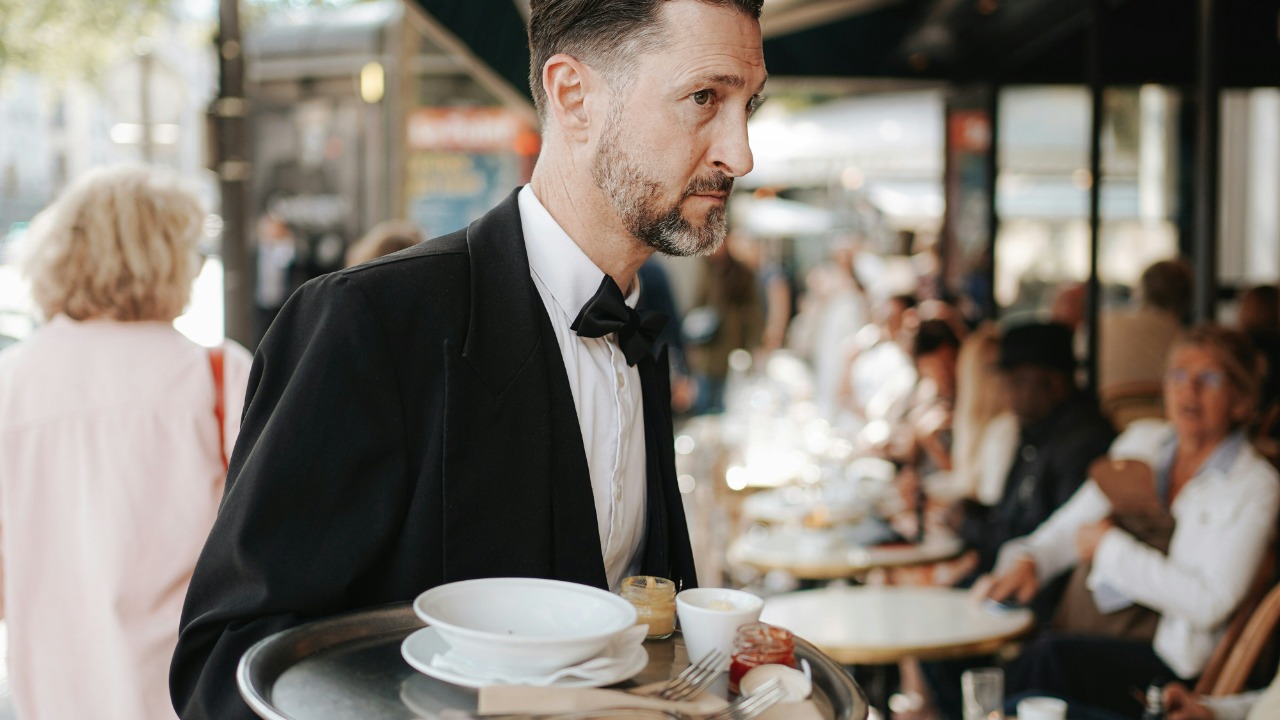
Unfriendly staff can significantly detract from a diner’s experience. While customers may occasionally overlook this in favor of good food, it is a clear red flag for chefs. The restaurant industry is not just about serving food; it’s about providing an overall enjoyable experience. A rude or dismissive waiter indicates a lack of proper training and a disregard for customer satisfaction.
In today’s competitive restaurant industry, customer service is more crucial than ever. As The National Restaurant Association points out, good customer service can be a key differentiator for restaurants. An unfriendly staff not only impacts the dining experience but can also affect a restaurant’s reputation and customer loyalty.
Dirty Restrooms
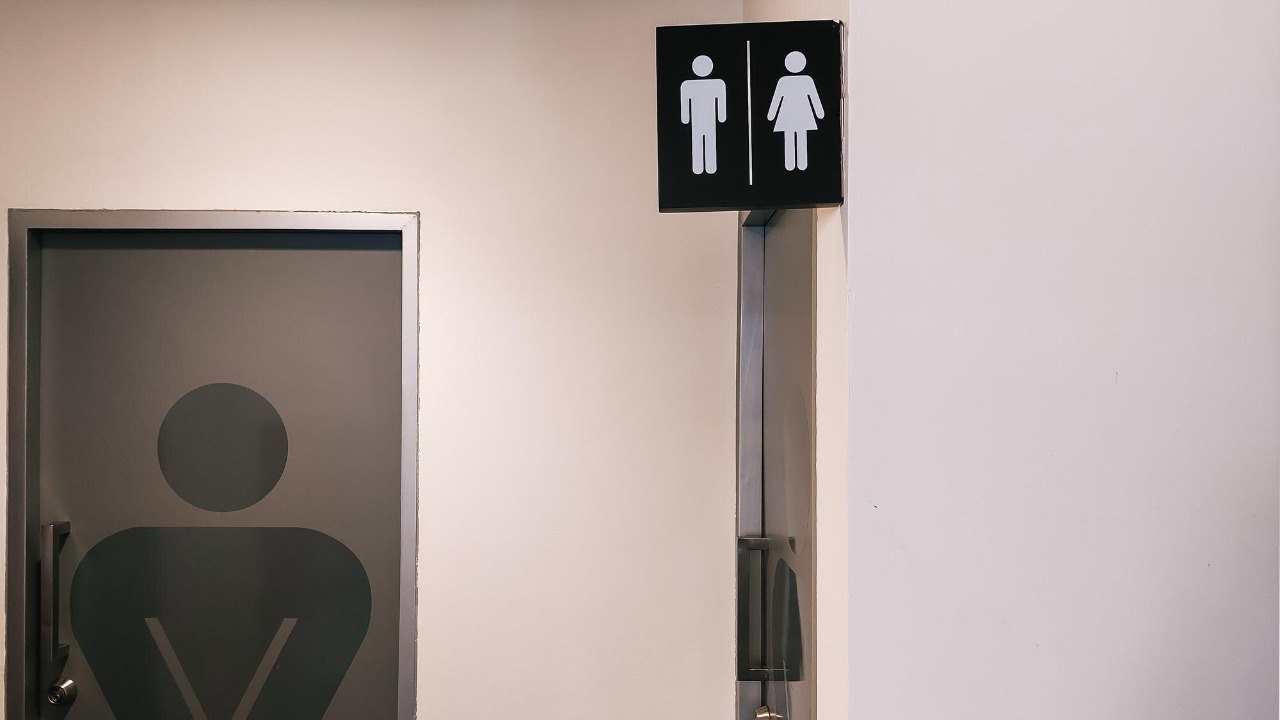
A dirty restroom is a major red flag in a restaurant. While it may not directly relate to the food, it gives an insight into the restaurant’s overall hygiene standards. If a restaurant can’t keep its restrooms clean, it raises questions about the cleanliness of its kitchen. Diners often overlook this, assuming it doesn’t reflect on the food, but chefs know better.
With the ongoing pandemic, cleanliness is more critical than ever. According to the Food and Drug Administration, maintaining a clean environment is key to preventing foodborne illnesses. A dirty restroom can be a potential health risk, making it a timely concern for all diners.
Bad Food Presentation
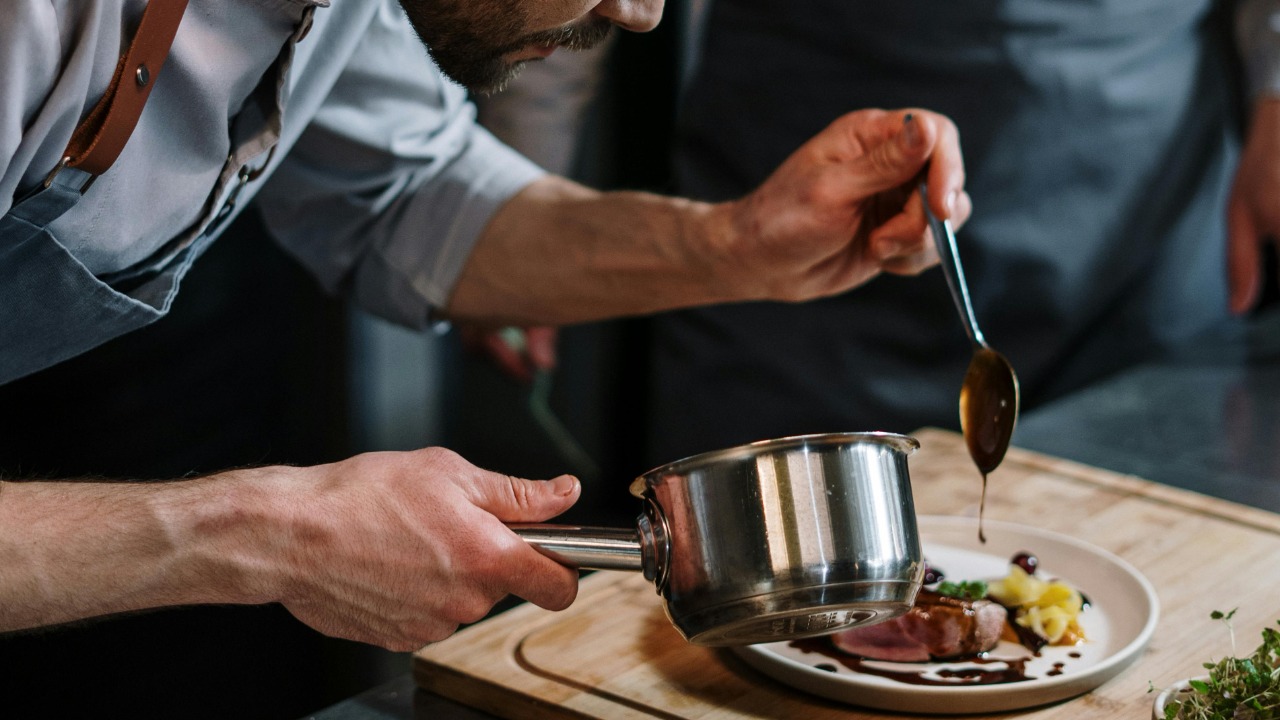
Food presentation is a key aspect of the dining experience. Chefs understand that we eat with our eyes first, and a poorly presented dish can be a clear sign of a lack of care or skill in the kitchen. While diners might overlook this if the food tastes good, it’s a red flag that chefs notice immediately.
In the age of Instagram and food blogging, food presentation matters more than ever. Dishes not only have to taste good but also look good. As BBC News reports, restaurants are increasingly focusing on creating visually appealing dishes to attract customers. Poor food presentation could indicate that a restaurant is not keeping up with current trends.
Frozen Ingredients
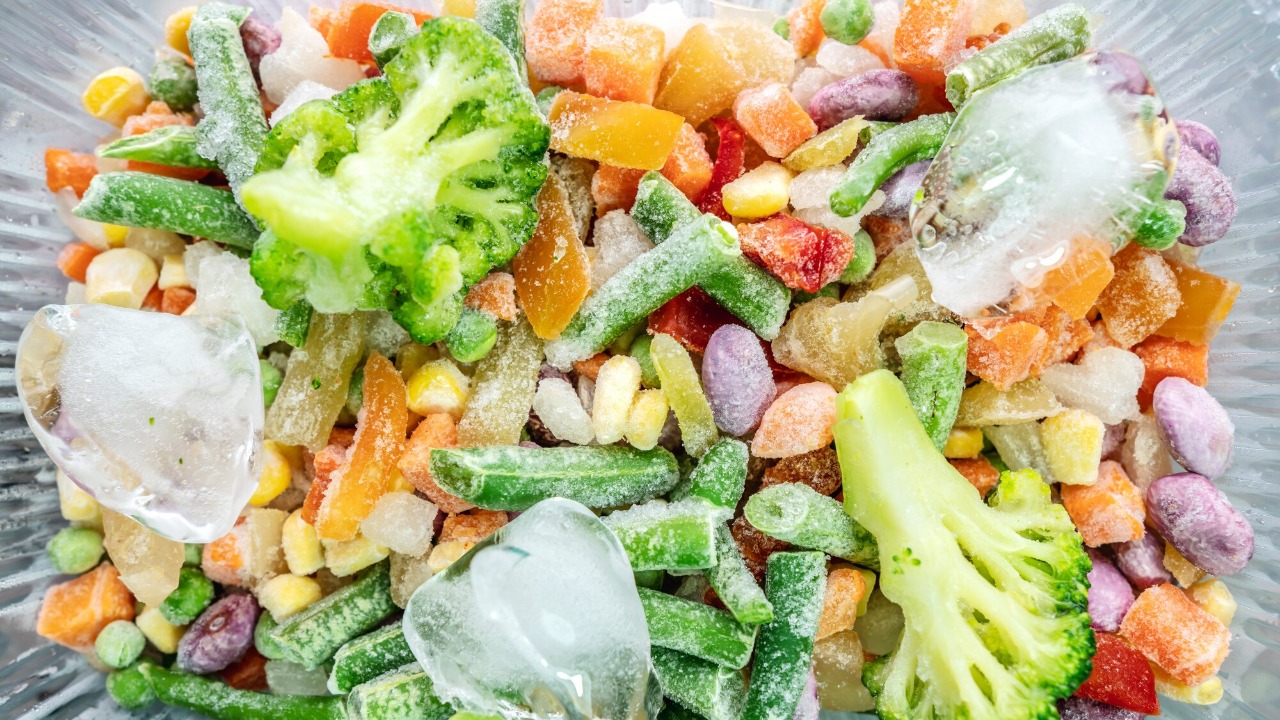
While frozen ingredients can be a practical choice in some cases, chefs usually prefer fresh ingredients for their superior flavor and texture. A restaurant that relies heavily on frozen products may be cutting corners to save costs, which can lead to a decrease in food quality. Many diners might not realize this, but to a trained chef’s palate, the difference is noticeable.
Today, there’s a growing trend towards farm-to-table dining and the use of fresh, locally sourced ingredients. According to NPR, consumers are increasingly demanding higher quality food, and restaurants that rely on frozen ingredients may fail to meet these expectations.
Poorly Stored Ingredients
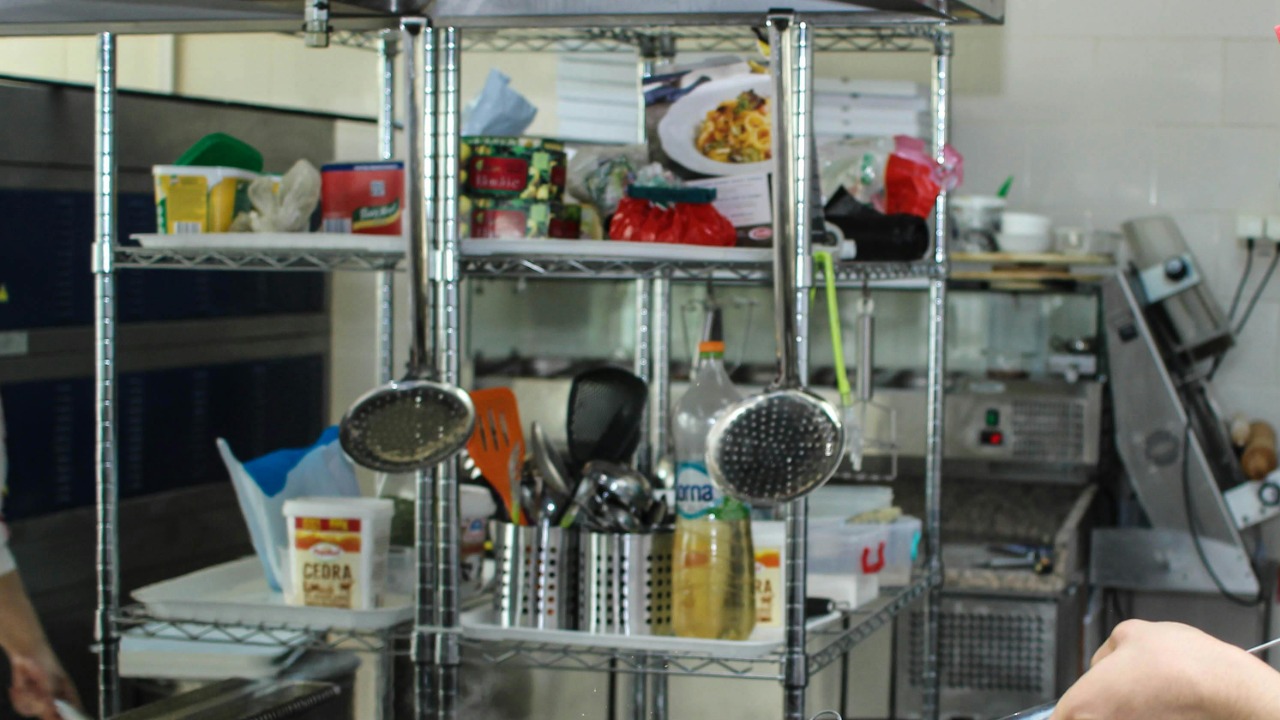
Poorly stored ingredients not only affect the quality of the dishes but can also pose health risks. Chefs understand the importance of proper food storage to maintain freshness and prevent cross-contamination. While diners may not be privy to the storage conditions in a restaurant’s kitchen, chefs can often infer this from the taste and quality of the food served.
Food safety has become a key concern in recent years, with the U.S. Department of Agriculture highlighting the importance of correct food storage to prevent foodborne illnesses. Restaurants that do not adhere to proper storage practices not only compromise food quality but also potentially endanger the health of their customers.
Overpriced Menu Items
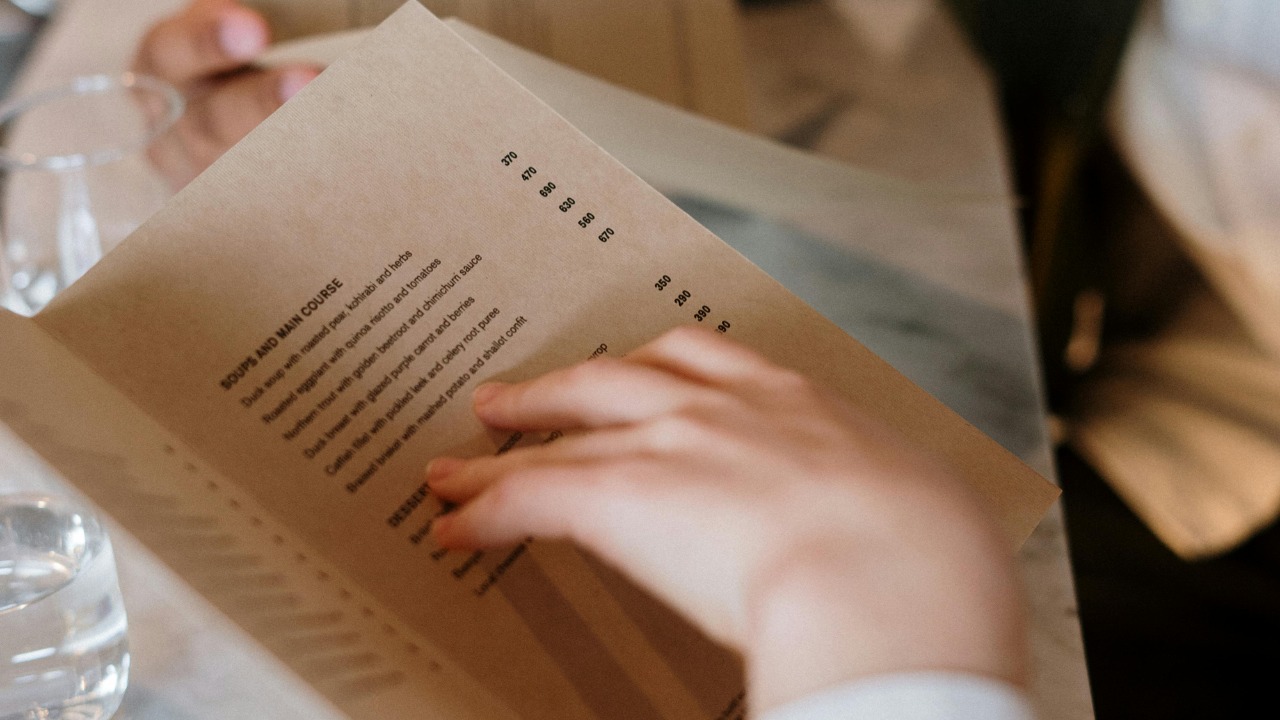
Chefs understand the cost involved in creating a dish and can instantly identify when a restaurant is overcharging. High prices can sometimes be justified by the quality of ingredients or the culinary skill involved, but when the price does not match the offering, it’s a red flag. Diners often overlook this, assuming that higher prices equate to better quality, which is not always the case.
Today, consumers are more knowledgeable about food and prices, and they expect value for their money. According to Restaurant Business Online, restaurants that overcharge risk losing customers to more competitively priced establishments.
Outdated Decor
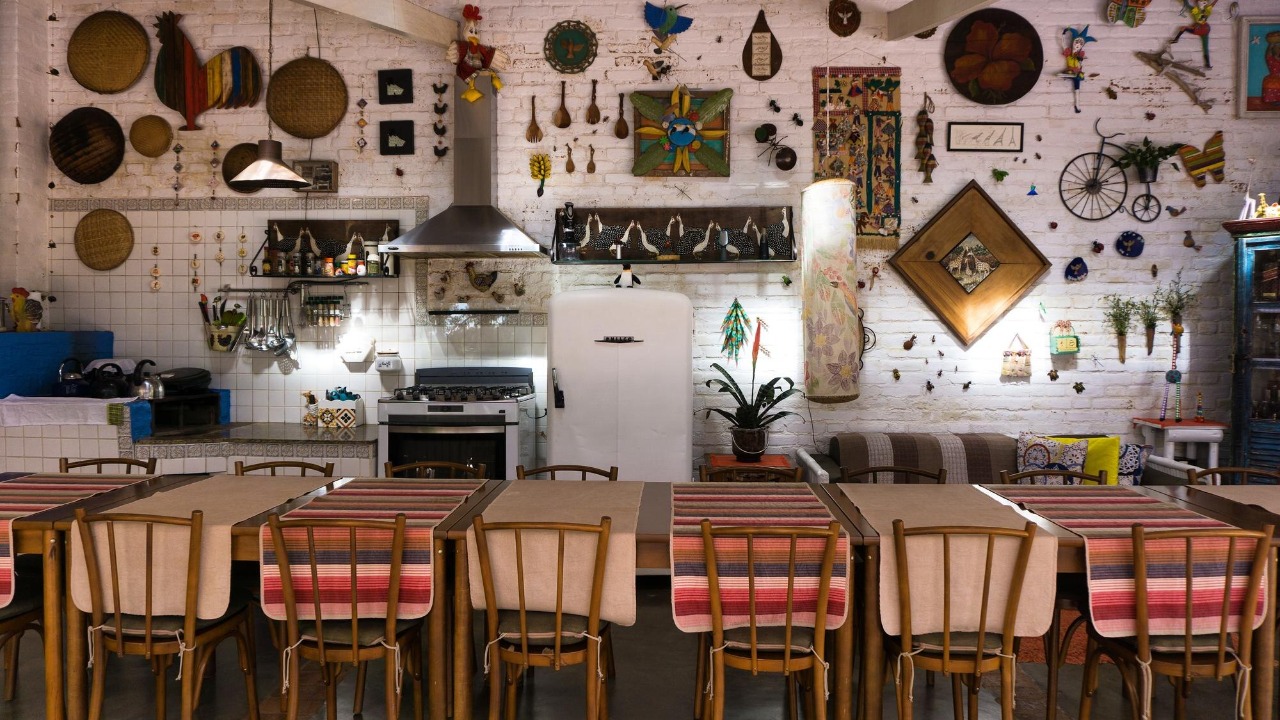
While food is the main focus at a restaurant, the ambiance plays a significant role in the overall dining experience. Chefs understand that outdated or poorly maintained decor can indicate a lack of investment in the restaurant. While customers may overlook this aspect, focusing on the food instead, it’s a red flag that chefs notice immediately.
With the growing trend of experiential dining, where the ambiance is as important as the food, outdated decor can negatively impact a restaurant’s appeal. Restaurant Hospitality emphasizes the importance of interior design in restaurants, stating that it can significantly affect customer satisfaction and repeat business.

As a mom of three busy boys, I know how chaotic life can get — but I’ve learned that it’s possible to create a beautiful, cozy home even with kids running around. That’s why I started Cultivated Comfort — to share practical tips, simple systems, and a little encouragement for parents like me who want to make their home feel warm, inviting, and effortlessly stylish. Whether it’s managing toy chaos, streamlining everyday routines, or finding little moments of calm, I’m here to help you simplify your space and create a sense of comfort.
But home is just part of the story. I’m also passionate about seeing the world and creating beautiful meals to share with the people I love. Through Cultivated Comfort, I share my journey of balancing motherhood with building a home that feels rich and peaceful — and finding joy in exploring new places and flavors along the way.