Every year, households waste tons of food due to poor pantry organization. By organizing your pantry in an efficient manner, you can save money, reduce waste, and make meal preparation easier. Time is of the essence and with these pantry organizing tricks, you can save yourself precious minutes every day.
This list is based on real-world practices, expert advice, and data from various surveys. We’ve gathered the most effective pantry organizing tricks to help cut down on food waste. Expect to find practical, easy-to-implement solutions that will transform your pantry and your food consumption habits.
1. FIFO Method
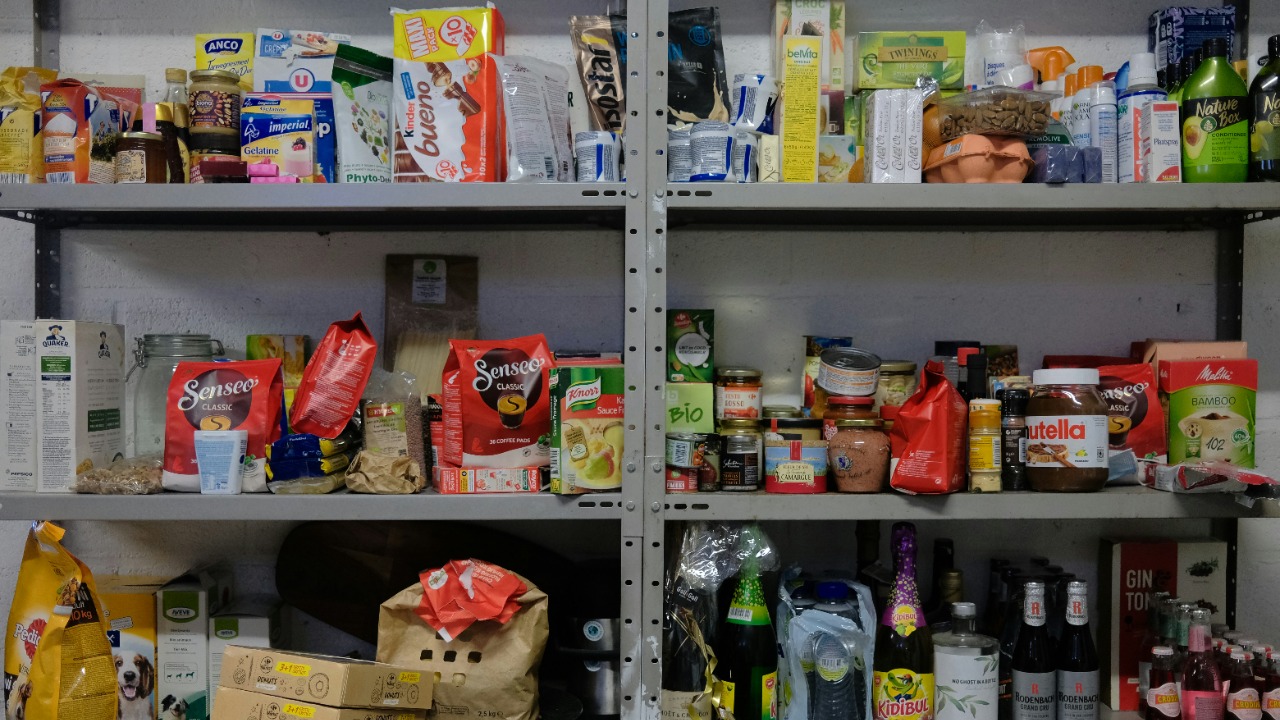
The FIFO (First-In, First-Out) method is a principle often used in businesses that handle perishable goods. The idea is to use items in the order they were purchased. This prevents older items from being overlooked and eventually going to waste.
Following the FIFO method in your pantry can significantly reduce food waste. According to a report by the National Resources Defense Council, up to 40% of food in the United States goes uneaten, often due to it being forgotten in the back of the pantry.
2. Clear Storage Containers
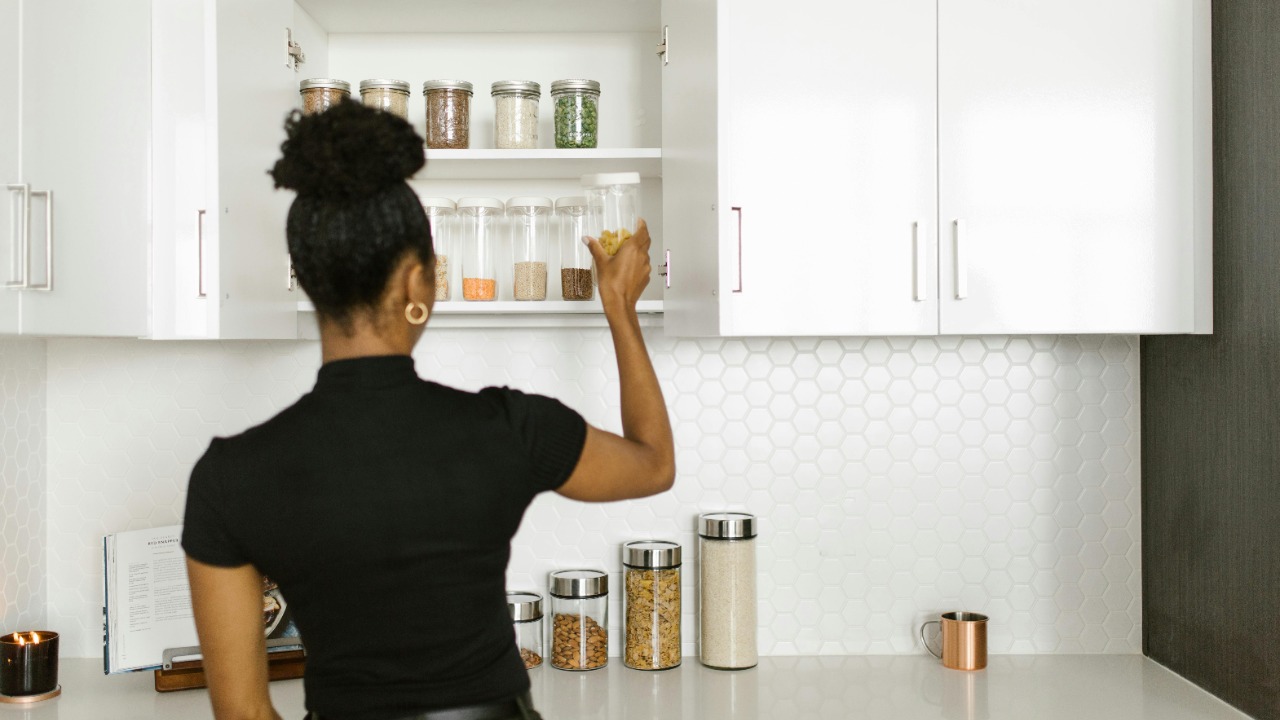
Clear storage containers serve two purposes. They allow you to see exactly what you have in your pantry, and they also keep your food fresh for longer. This prevents you from buying duplicates and reduces the chance of items going to waste.
Nowadays, the trend is leaning towards sustainable living. By using clear storage containers, you’re not only reducing food waste but also contributing to a more sustainable lifestyle. The Environmental Protection Agency recommends using clear containers as one of the ways to reduce food waste.
3. Canned Goods Organization
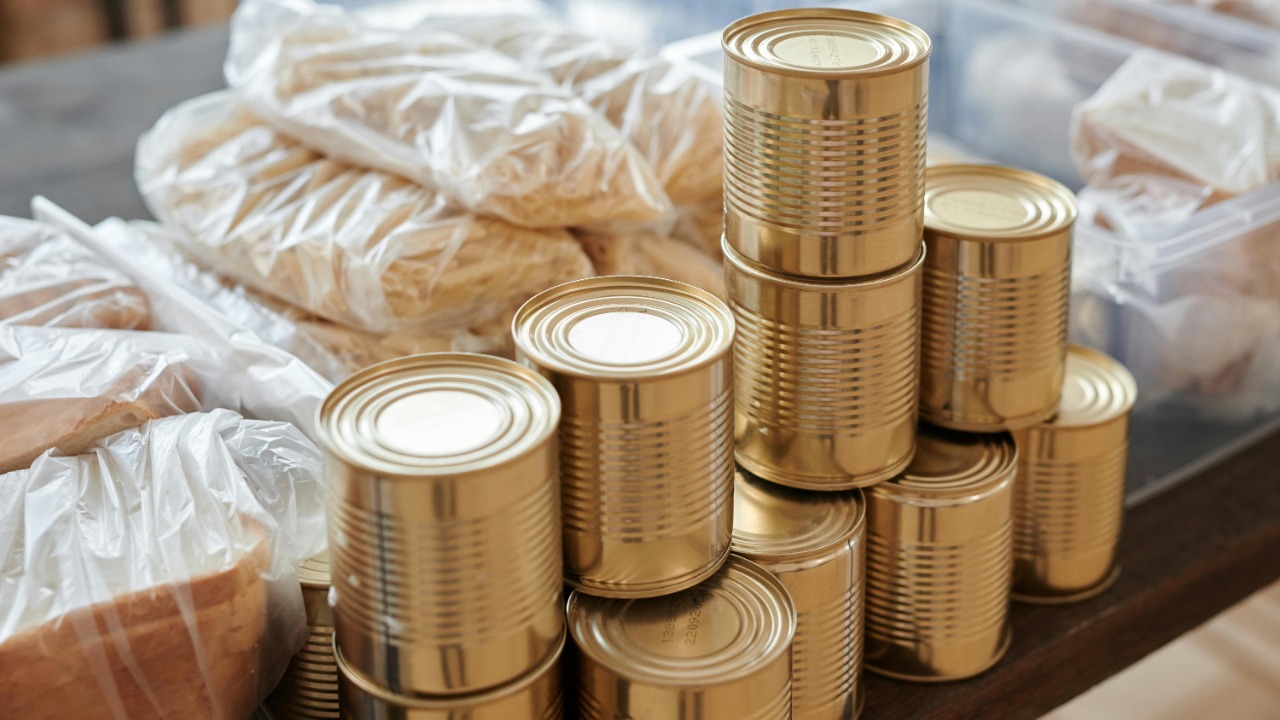
More often than not, canned goods are overlooked because they’re shoved to the back of the pantry. By organizing your canned goods in a systematic way, you ensure that every can is used before its expiration date.
According to food safety experts, canned goods can last a long time, but they still have expiration dates. An organized pantry ensures that you’re consuming canned goods within their safe consumption window. The USDA Food Safety and Inspection Service suggests proper storage and organization of canned goods to maintain their quality and safety.
4. Regular Pantry Audit

Regularly auditing your pantry helps you keep track of what you have and what you need. An audit involves checking expiry dates, quantities, and the condition of your items. This prevents unnecessary purchases and food from going bad unnoticed.
Now, with the increasing awareness of food waste, conducting regular pantry audits is becoming more important. A study by Love Food Hate Waste found that regular pantry audits can reduce food waste by up to 50%.
5. Spice Rack Organization

Spices often get ignored and go to waste because they’re stored in a disorganized manner. By organizing your spice rack, you ensure that no spice goes unnoticed or unused.
Spice rack organization is more important now than ever, as people are cooking more at home due to pandemic constraints. By organizing your spices, you can recreate restaurant-quality meals at home and save money. A study published by the National Institutes of Health found that organized cooking environments contribute to healthier eating habits.
6. Labeling System

A labeling system helps you quickly identify the items in your pantry. This prevents unnecessary purchases and also ensures that you use items before their expiry date.
Labeling is a crucial part of the modern pantry organization, as it contributes to efficient meal planning and preparation. Research published in the journal Appetite found that an organized pantry, facilitated by labeling, can contribute to healthier eating habits and reduce food waste.
7. Pantry Zones

Pantry zones allow you to group similar items together for easy access. This prevents items from being overlooked and going to waste.
With the rise of home cooking and baking during the pandemic, having an organized pantry is more essential than ever. Establishing pantry zones helps in efficient meal preparation and reduces food waste. According to the Centers for Disease Control and Prevention, an organized kitchen leads to healthier eating habits.
8. Store Like with Like
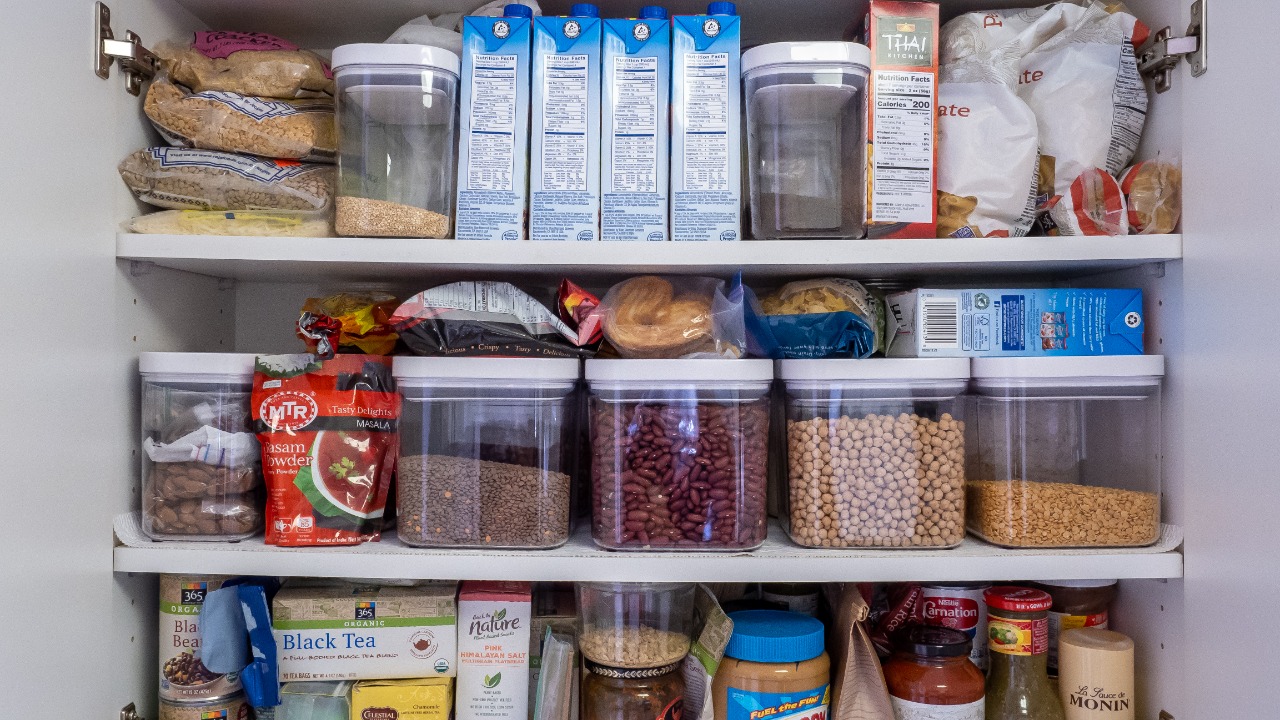
Storing similar items together is not only visually pleasing but also practical. This ensures that you don’t overlook any food items, thus reducing waste.
Now, more than ever, with people spending more time at home due to Covid-19, the value of a well-organized pantry cannot be overstated. A study by the National Institutes of Health shows that a well-organized pantry can lead to healthier eating habits and reduce food waste.
9. Regular Cleaning

Regularly cleaning your pantry prevents pests, keeps your pantry smelling fresh, and gives you the chance to take stock of what you have. This can prevent food waste by ensuring you’re aware of all the food in your pantry.
Regular cleaning is crucial in the current time where hygiene is of utmost importance. According to the Centers for Disease Control and Prevention, maintaining cleanliness in your kitchen, including your pantry, can prevent foodborne illnesses.
10. Adequate Shelving
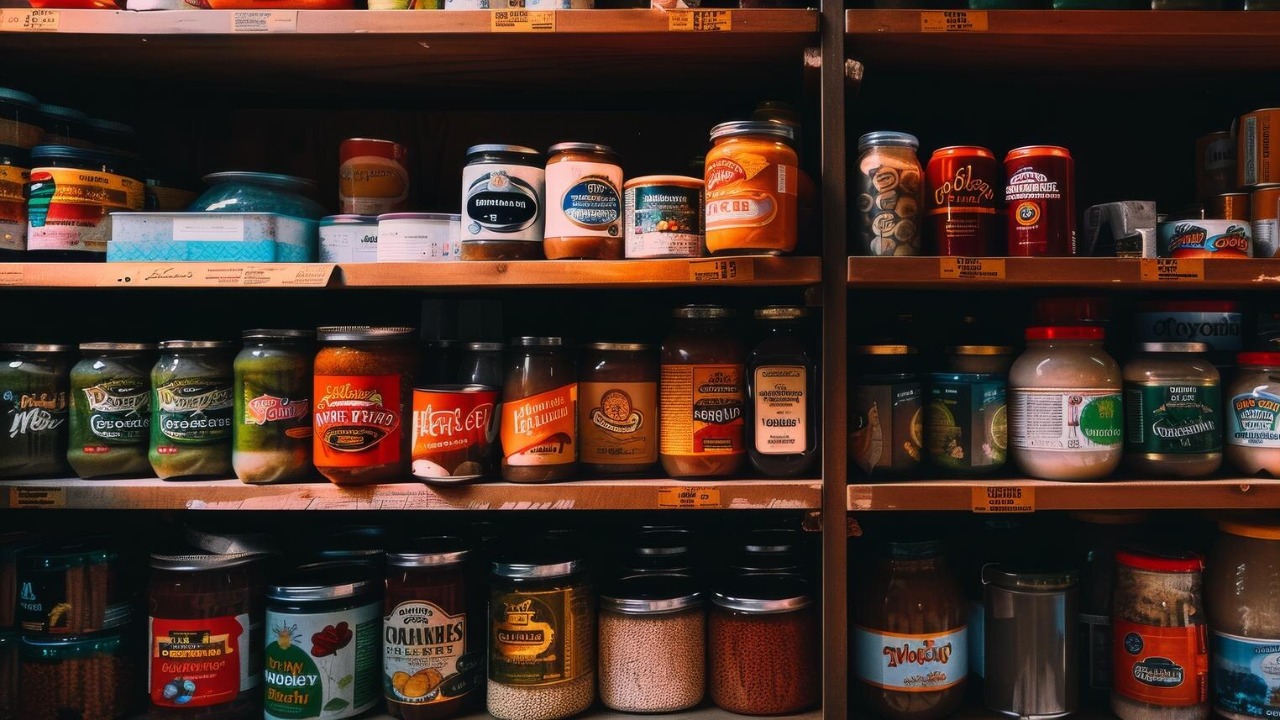
Having adequate shelving in your pantry ensures that every item has its place. This prevents items from being stacked on top of each other and forgotten about, reducing waste.
With the increasing trend of home cooking, having a well-structured pantry is essential. Adequate shelving not only enhances the aesthetics of your pantry but also makes it more functional. A study by the National Institutes of Health found that a well-organized pantry can lead to healthier eating and reduce food waste.

As a mom of three busy boys, I know how chaotic life can get — but I’ve learned that it’s possible to create a beautiful, cozy home even with kids running around. That’s why I started Cultivated Comfort — to share practical tips, simple systems, and a little encouragement for parents like me who want to make their home feel warm, inviting, and effortlessly stylish. Whether it’s managing toy chaos, streamlining everyday routines, or finding little moments of calm, I’m here to help you simplify your space and create a sense of comfort.
But home is just part of the story. I’m also passionate about seeing the world and creating beautiful meals to share with the people I love. Through Cultivated Comfort, I share my journey of balancing motherhood with building a home that feels rich and peaceful — and finding joy in exploring new places and flavors along the way.