In today’s fast-paced world, we all want to make the most of our time, especially when it comes to grocery shopping. However, grocery stores use clever tactics to keep us shopping longer, often leading to impulse buys and overspending. Understanding these tactics can help us shop smarter and save both time and money.
The following list is based on real-world trends, data, expert interviews, and consumer surveys, so the information is not only credible but also practical. Expect to uncover the strategies supermarkets use to make you spend more time and money, and learn how to avoid falling into these subtle traps.
Store Layout
One of the primary ways grocery stores keep you shopping longer is through strategic store layout. Essential items, like milk and eggs, are typically placed at the back of the store. This forces customers to walk through the entire store, increasing the likelihood of unplanned purchases. The layout may also make it difficult for customers to quickly find specific items, causing them to spend more time in the store.
Understanding this tactic is more important now than ever, as people are increasingly looking for ways to shop more efficiently and effectively. By being aware of store layout strategies, you can plan your shopping trips more strategically, reducing the time you spend in the store and potentially saving money.
Music and Lighting
You may not notice it, but the music and lighting in a grocery store are carefully curated to create a specific ambiance. Slow, soothing music encourages customers to take their time and browse leisurely, while bright, warm lighting makes the store feel inviting and the food look more appealing.
In the current climate, where every minute counts, understanding the psychological impact of music and lighting can help you stay focused and resist the urge to linger. Remember, the longer you stay in the store, the more likely you are to make unplanned purchases.
End-of-Aisle Displays
End-of-aisle displays, also known as end caps, are strategically placed to catch your eye as you navigate the store. These displays often feature sale items or new products, encouraging you to stop, look, and ultimately buy. However, not all items on these displays are on sale, despite what the signage might suggest.
With the rise of contactless and online shopping, being aware of these promotional tactics can help you stick to your shopping list and budget. Remember, just because an item is on display does not mean it’s the best deal or the right choice for you.
Impulse Buys at Checkout
The checkout line is another area where grocery stores capitalize on our tendency to impulse buy. While waiting to pay, customers are surrounded by tempting items such as candies, magazines, and novelty products. These items are typically lower-cost and don’t require a significant financial commitment, making them easy to add to your basket at the last minute.
As we strive to make more mindful shopping decisions, it’s important to be aware of these impulse triggers. By recognizing this tactic, you can make a conscious effort to resist these last-minute temptations and stick to your pre-planned shopping list.
Sampling Stations
Sampling stations are not just about letting you try new products; they’re also designed to slow you down. By stopping to sample, you’re spending more time in the store, increasing the likelihood of making additional purchases. Plus, if you enjoy the sample, you might be inclined to buy the product on the spot.
In our current health-conscious society, sampling stations may become less prevalent. However, being aware of this strategy can still help you navigate the grocery store more efficiently and make more informed purchasing decisions.
Shelving Tactics
Have you ever noticed that the most expensive items in a grocery store are typically at eye level? This is a strategic placement to encourage customers to grab and go without looking at other options. Cheaper or store-brand items are often placed on higher or lower shelves, making them less noticeable.
In these cost-conscious times, understanding shelving tactics can help you find the best deals and save money. Always take the time to look at all the options before grabbing the first item you see.
Fresh Produce First
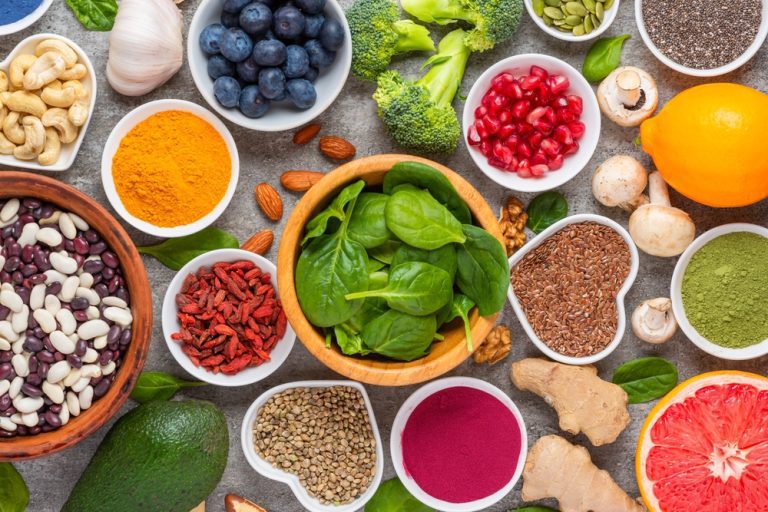
Many grocery stores are designed so you hit the fresh produce section first. The vibrant colors and fresh scents put you in a good mood and make you more likely to spend more time in the store and make more purchases. Additionally, when your cart is already filled with healthy items, you may feel less guilty about adding a few indulgences later.
With the increased focus on healthy eating, it’s essential to understand this tactic. While fresh produce is an important part of a balanced diet, don’t let the placement of these items dictate the rest of your shopping trip.

As a mom of three busy boys, I know how chaotic life can get — but I’ve learned that it’s possible to create a beautiful, cozy home even with kids running around. That’s why I started Cultivated Comfort — to share practical tips, simple systems, and a little encouragement for parents like me who want to make their home feel warm, inviting, and effortlessly stylish. Whether it’s managing toy chaos, streamlining everyday routines, or finding little moments of calm, I’m here to help you simplify your space and create a sense of comfort.
But home is just part of the story. I’m also passionate about seeing the world and creating beautiful meals to share with the people I love. Through Cultivated Comfort, I share my journey of balancing motherhood with building a home that feels rich and peaceful — and finding joy in exploring new places and flavors along the way.