When it comes to preparing delicious meals without breaking the bank, slow cooking cheap cuts of beef is a savvy strategy. These cuts not only offer robust flavors but also become tender when cooked over low heat for extended periods. From rich stews to hearty soups, these beef cuts are perfect for your slow cooker meals this season.
Chuck Roast
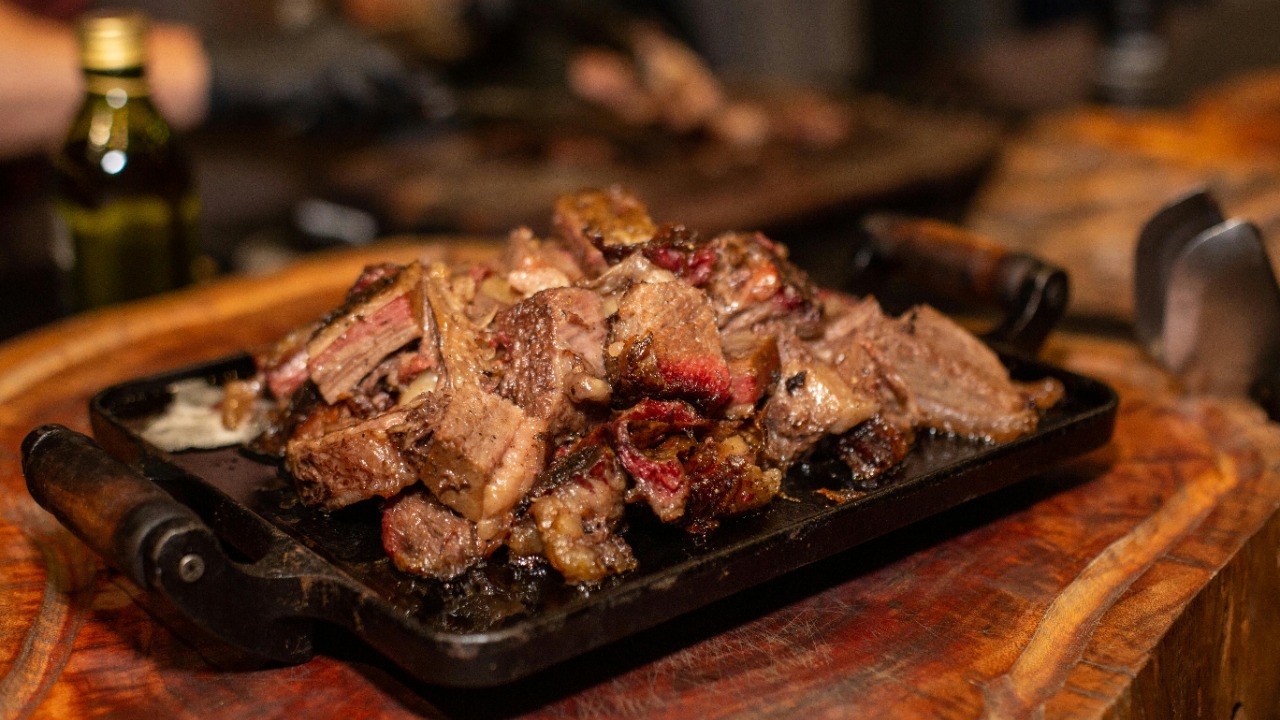
The chuck roast is a staple for any slow-cooking enthusiast. Known for its marbled fat, this cut transforms into a melt-in-your-mouth delight when cooked slowly. It’s perfect for pot roasts, shredded beef tacos, or a comforting beef stew. The flavor is simply unbeatable, and the cost is usually budget-friendly, making it a top choice for family dinners.
Its versatility is unmatched. You can pair it with root vegetables or use it as a base for a hearty soup. The key to success with a chuck roast is patience; let it simmer low and slow, and you’ll be rewarded with an unforgettable dish.
Brisket

Brisket is another cut that benefits significantly from slow cooking. Known for its tough texture, it requires a slow, gentle cooking process to become tender. This makes it ideal for dishes like corned beef or traditional barbeque. A well-cooked brisket is juicy, flavorful, and perfect for family gatherings.
One of my favorite ways to enjoy brisket is by smoking it for hours until it gains a smoky flavor. Alternatively, you can opt for a braised brisket in a rich sauce that enhances its natural flavors. Either way, the brisket is sure to impress.
Short Ribs
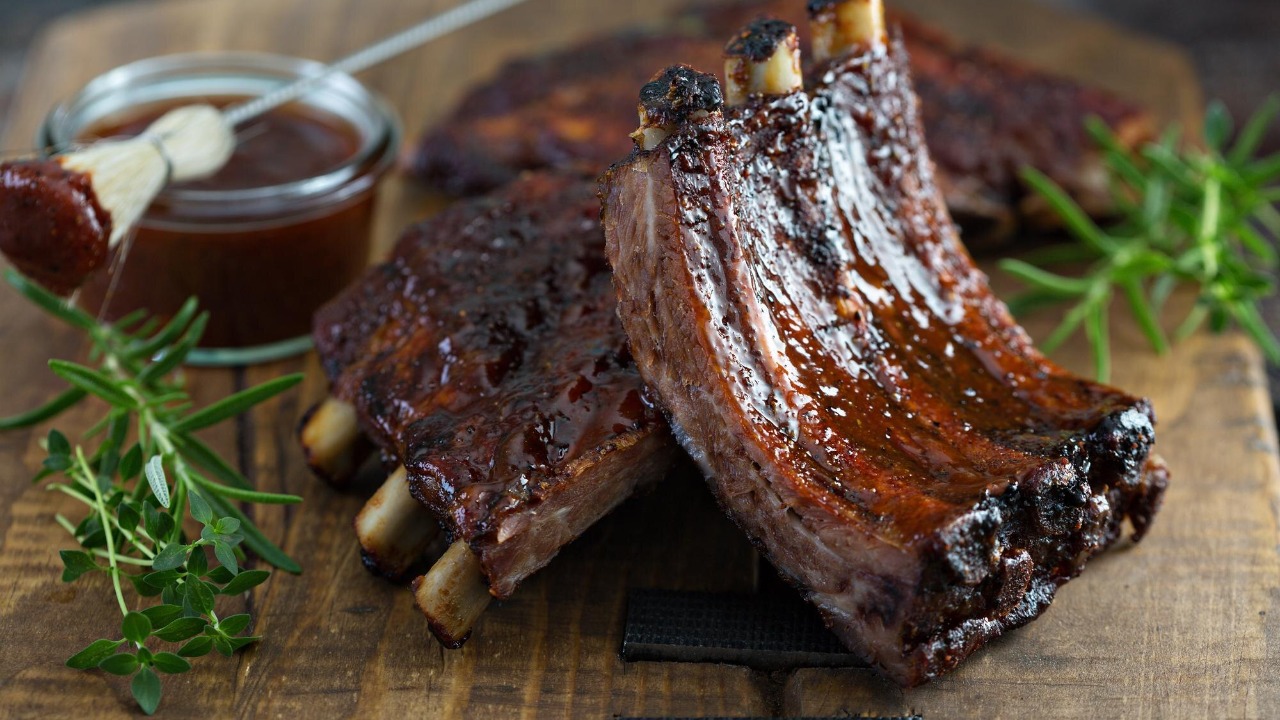
Short ribs are a superlative choice for slow cooking. Their rich, beefy flavor is intensified after hours of simmering, making them a favorite for braises and stews. The connective tissue breaks down beautifully, giving the meat a luscious, tender texture.
Whether you opt for a classic red wine braise or an Asian-inspired soy and ginger concoction, short ribs are incredibly versatile. The bones add extra flavor to the broth or sauce, ensuring that your dish is packed with taste.
Flank Steak
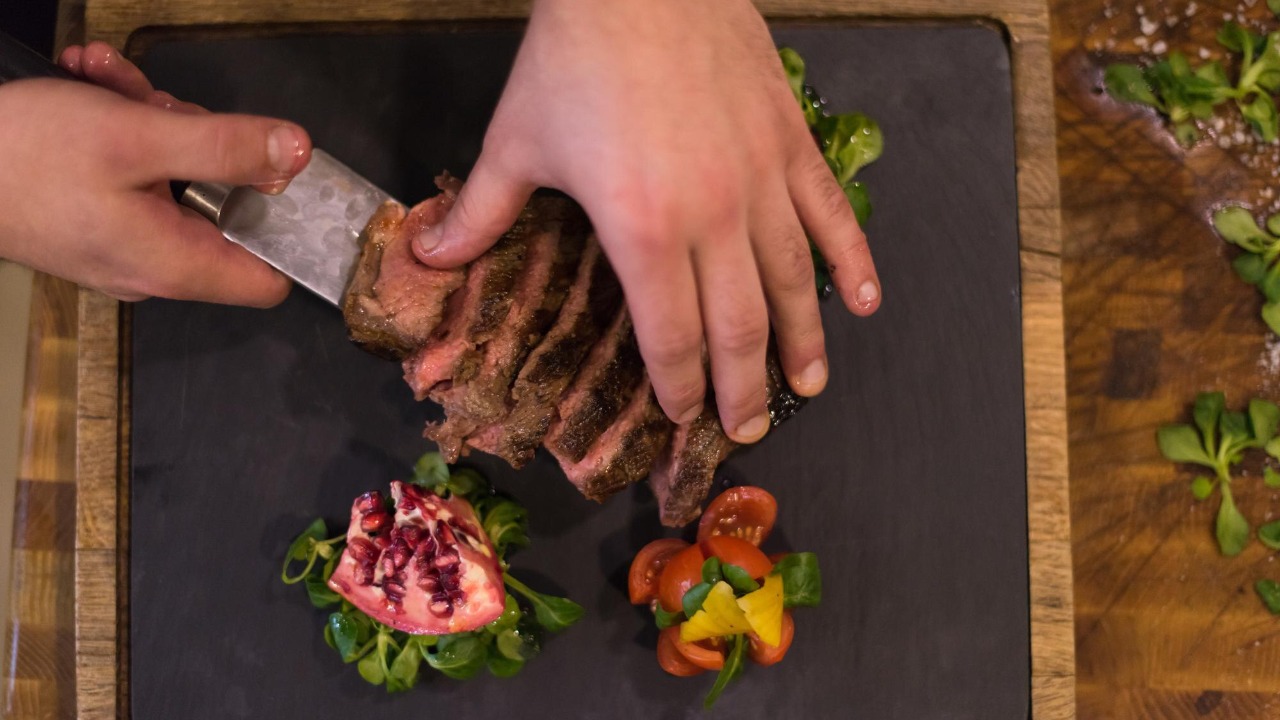
Flank steak might not be the first cut that comes to mind for slow cooking, but it’s worth considering. While typically used for grilling or stir-frying, its lean meat can also shine in slow-cooked dishes. When cooked slowly, flank steak can absorb flavors beautifully, making it perfect for fajitas or a slow-cooked beef salad.
Marinate it ahead of time to enhance its flavors. Slow cooking it allows the marinade to penetrate deeply, resulting in a flavorful dish that’s both tender and delicious.
Beef Shank
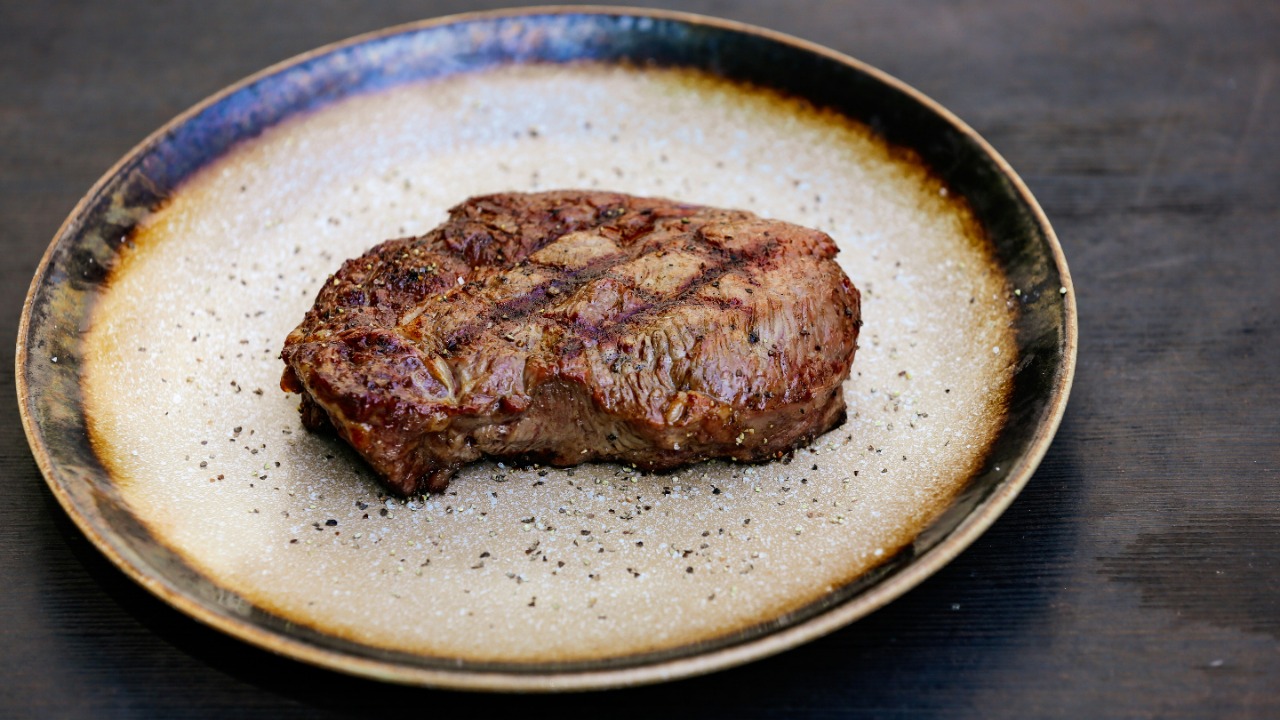
Beef shank is an economical cut that is perfect for slow cooking. It comes from the leg of the cow and contains a good amount of connective tissue, which breaks down during cooking, adding a rich, gelatinous texture to dishes. It’s an excellent choice for soups and stews.
Osso Buco, a classic Italian dish, showcases beef shank beautifully. Slow cooked with tomatoes, wine, and vegetables, the beef becomes incredibly tender, and the marrow from the bones enriches the sauce, creating a dish full of depth and flavor.
Oxtail
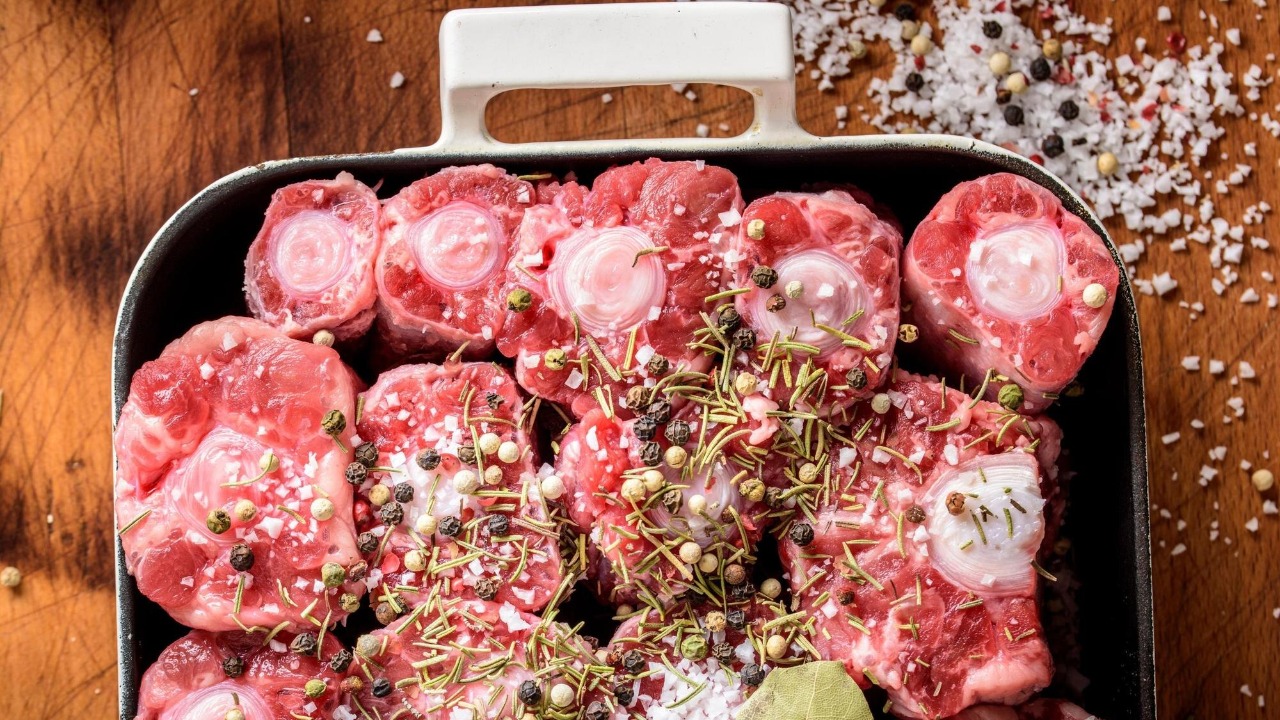
Oxtail is a cut that rewards slow cooking with a deep, beefy flavor. As it cooks, the gelatin-rich bones thicken the sauce, resulting in a luscious and hearty dish. Whether you’re making an oxtail stew or a traditional oxtail soup, the result is a meal that’s both comforting and satisfying.
For a true taste sensation, try incorporating oxtail into a rich and flavorful broth. This cut is often overlooked, but its unique taste and texture make it a standout when prepared properly.
Skirt Steak
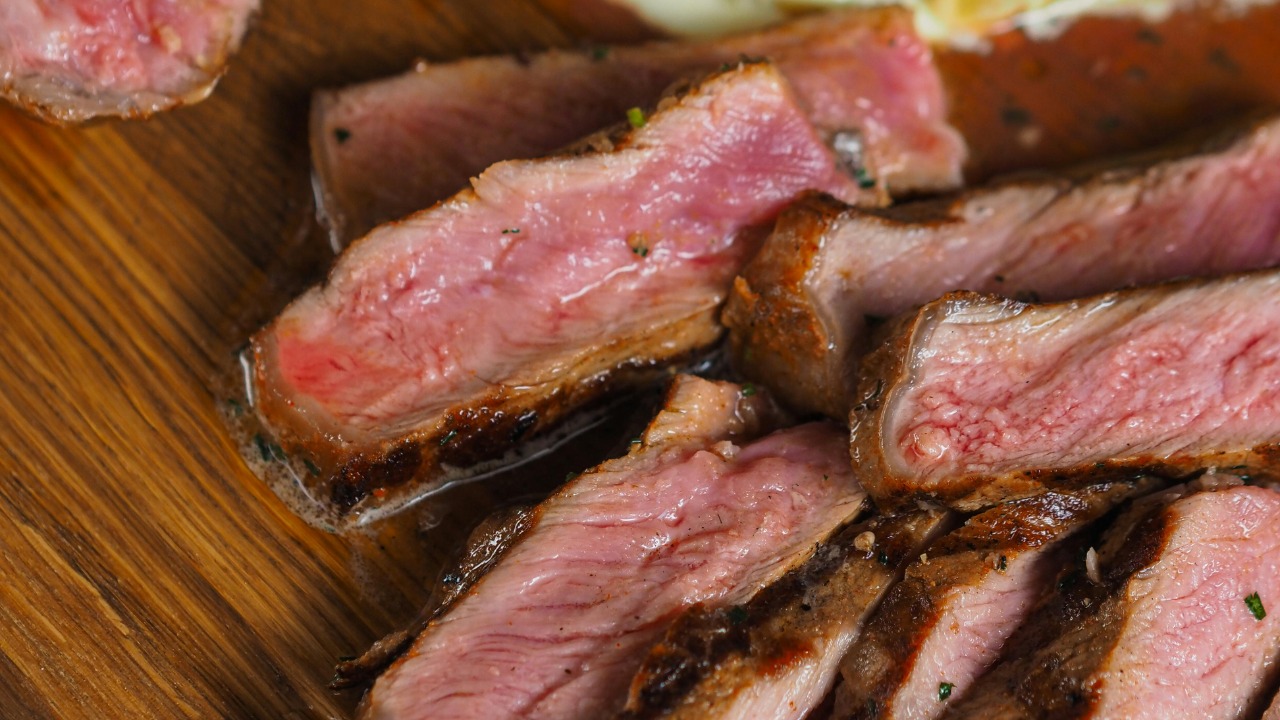
Skirt steak is prized for its flavor and is a favorite for dishes like fajitas. While typically grilled, it can also benefit from slow cooking methods. When simmered slowly, skirt steak becomes incredibly tender, making it a great addition to tacos or sandwiches.
Its coarse texture allows it to absorb marinades and spices well, ensuring a flavor-packed outcome. For a budget-friendly meal, marinate the steak overnight, then slow-cook it to bring out its full potential.
Eye of Round
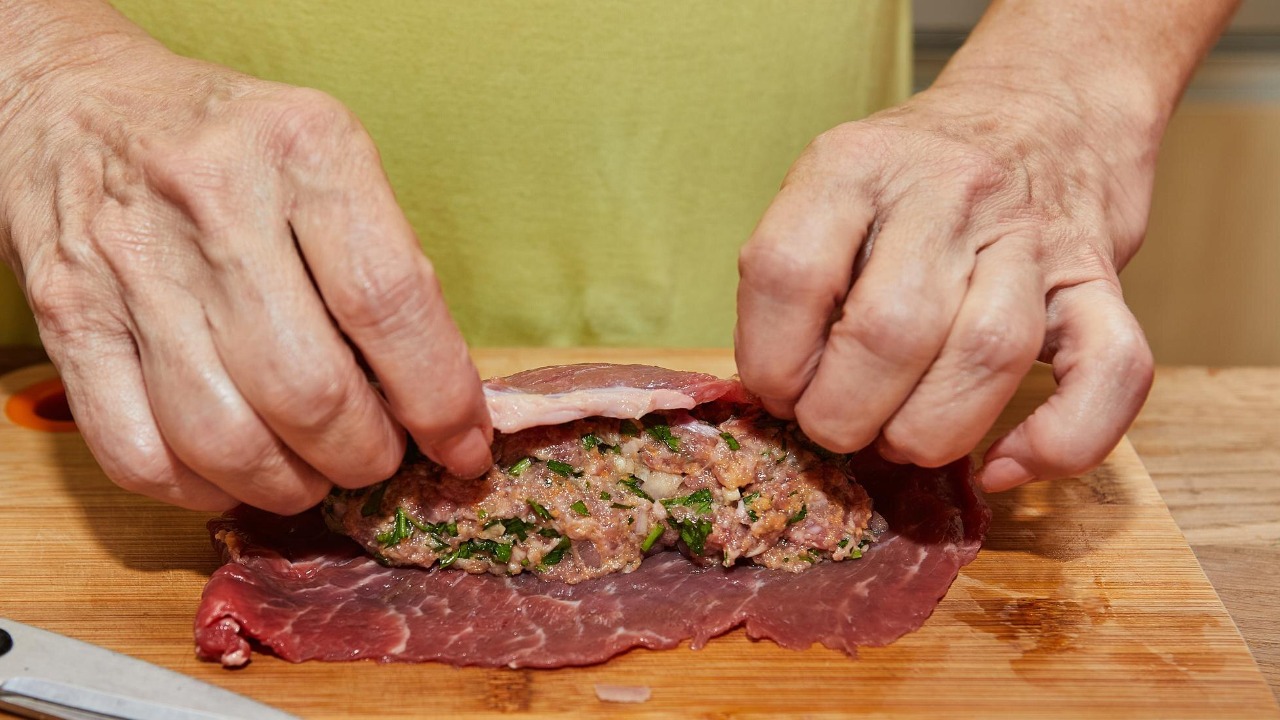
The eye of round is a lean cut that is often used for roasting. However, when cooked slowly, it can become tender and flavorful. This cut is great for roast beef sandwiches or as part of a slow-cooked beef stew.
While it doesn’t have much marbling, the slow cooking process allows it to absorb the flavors it’s cooked with. Pair it with bold spices or a rich gravy for a dish that’s sure to delight.
Top Round Roast
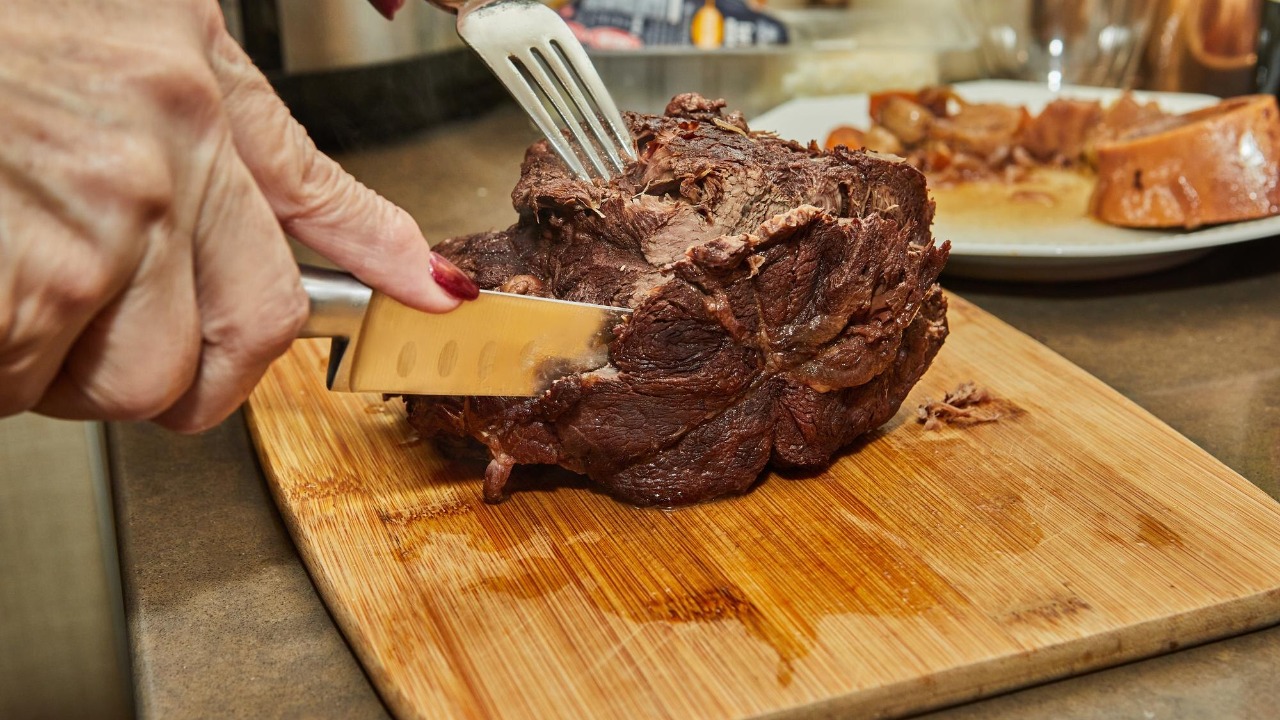
The top round roast is another lean cut that benefits from slow cooking. It’s an affordable option that works well in dishes like pot roast or beef and vegetable stew. When cooked slowly, it becomes tender and flavorful.
For a classic Sunday roast, season it with herbs and spices, and let it cook slowly until it reaches the desired tenderness. Serve it with a side of roasted vegetables for a complete meal.
Bottom Round Roast
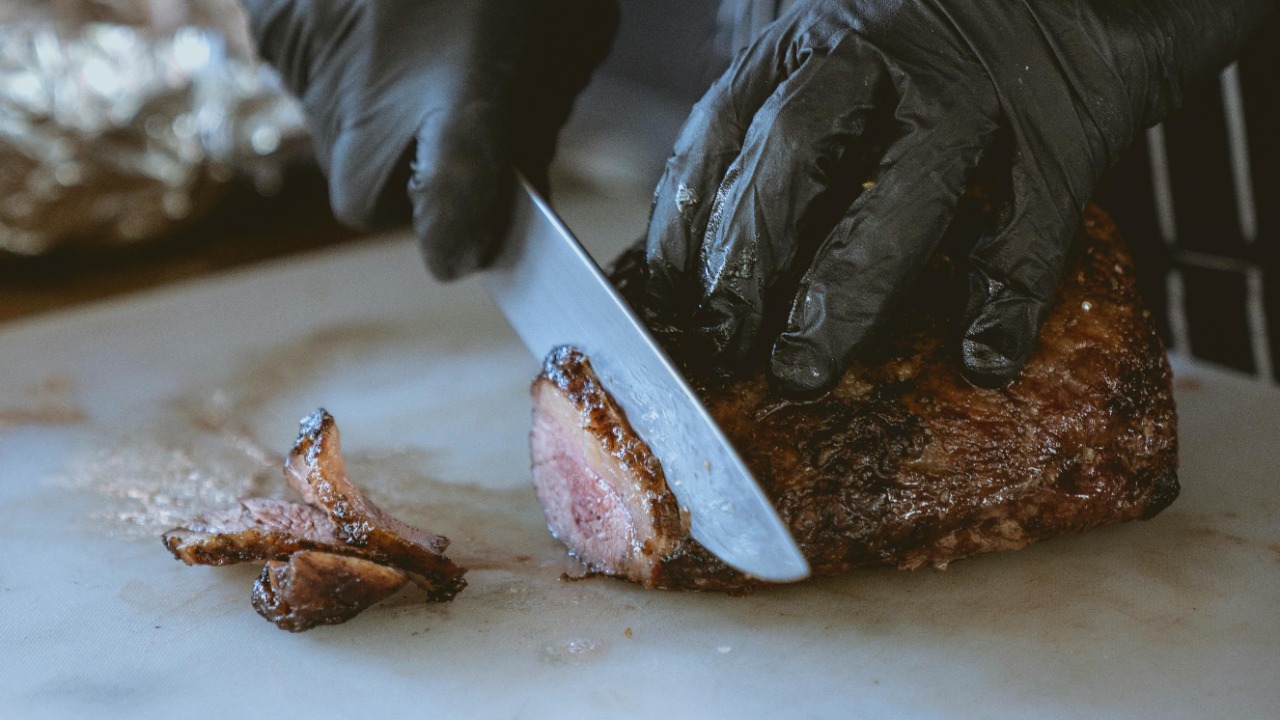
The bottom round roast is often used for roast beef but is equally successful in slow-cooked dishes. It’s a lean cut that becomes tender and juicy when cooked over low heat. It’s an economical choice that doesn’t skimp on flavor.
Use it in a slow-cooked beef and barley soup or a traditional pot roast. Its firm texture holds up well, making it a reliable option for various recipes.
Tri-Tip Roast
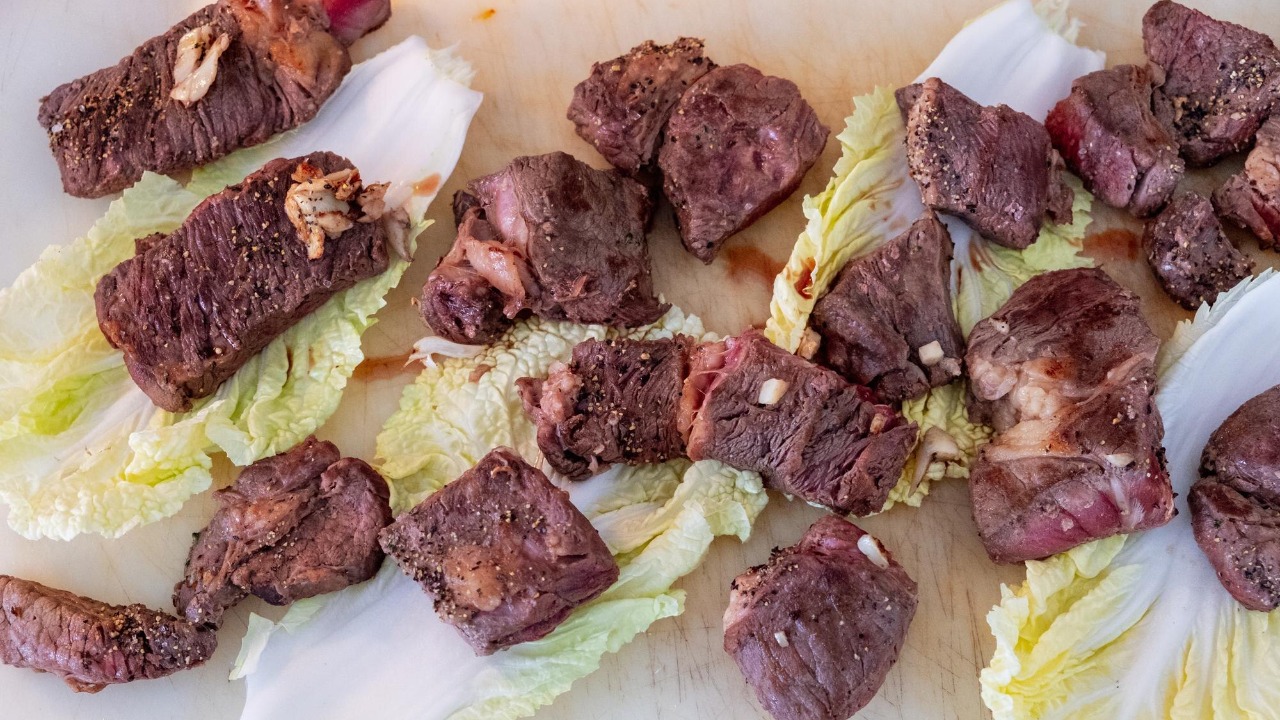
Tri-tip roast is a versatile cut that can be grilled or slow-cooked. It’s a triangular cut from the bottom sirloin and is known for its rich flavor. When slow-cooked, it becomes incredibly tender, making it ideal for sandwiches or tacos.
Marinate it beforehand to enhance its natural flavors, and let it cook slowly until it’s perfectly tender. This cut is perfect for a casual get-together or a cozy family meal.
Sirloin Tip Roast
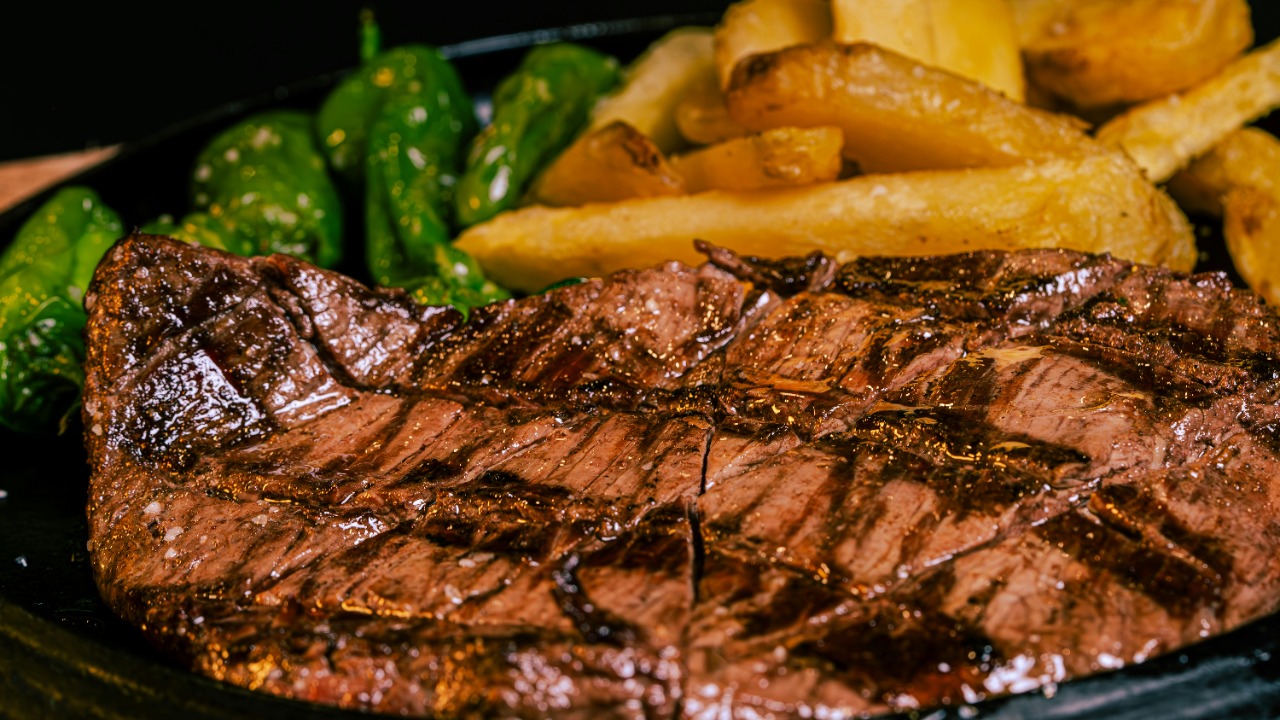
The sirloin tip roast is a lean cut that offers great value. It’s best when marinated and cooked slowly, allowing it to absorb flavors and become tender. This cut is perfect for roast beef or beef sandwiches.
To maximize its potential, consider seasoning it with a blend of herbs and spices. Cook it slowly to ensure it remains juicy and flavorful, making it a hit for any occasion.
Rump Roast
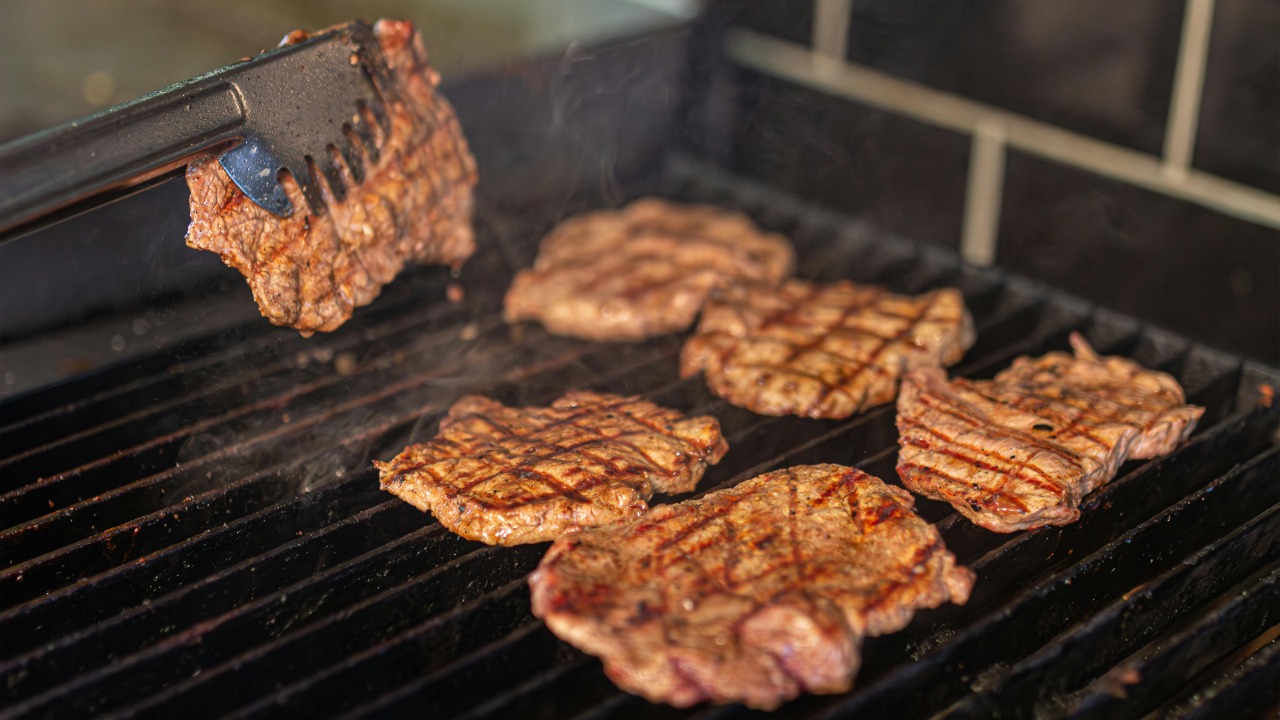
Rump roast is a flavorful cut that benefits from slow cooking. It’s an economical choice that works well in pot roasts or as a base for shredded beef dishes. When cooked slowly, it becomes tender and delicious.
Whether you choose to braise it or cook it in a slow cooker, the rump roast is sure to please. Add some vegetables to the pot for a complete, hearty meal.
Neck Bones
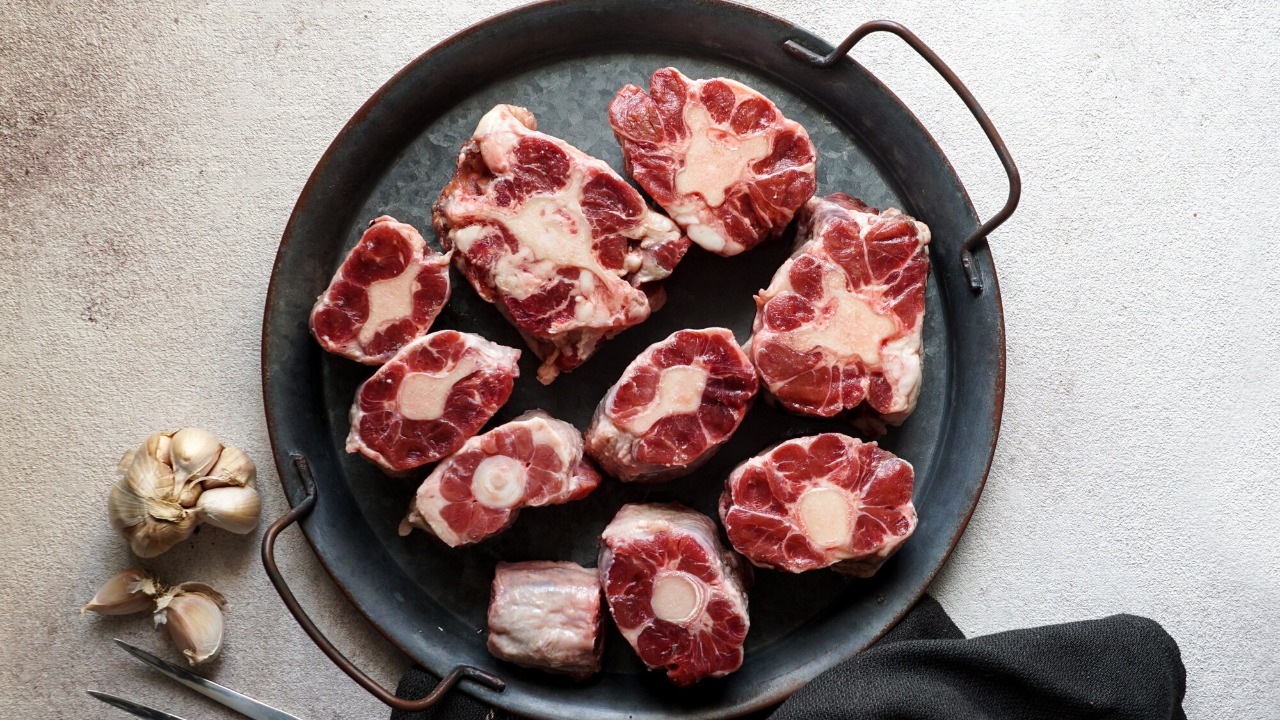
Neck bones are often overlooked but offer a rich, beefy flavor that’s perfect for slow cooking. The bones add extra depth to soups and stews, making them a great choice for hearty dishes.
Try them in a slow-cooked beef broth or a savory stew. The meat becomes incredibly tender, and the bones enhance the overall flavor, resulting in a comforting and satisfying meal.
Hanger Steak
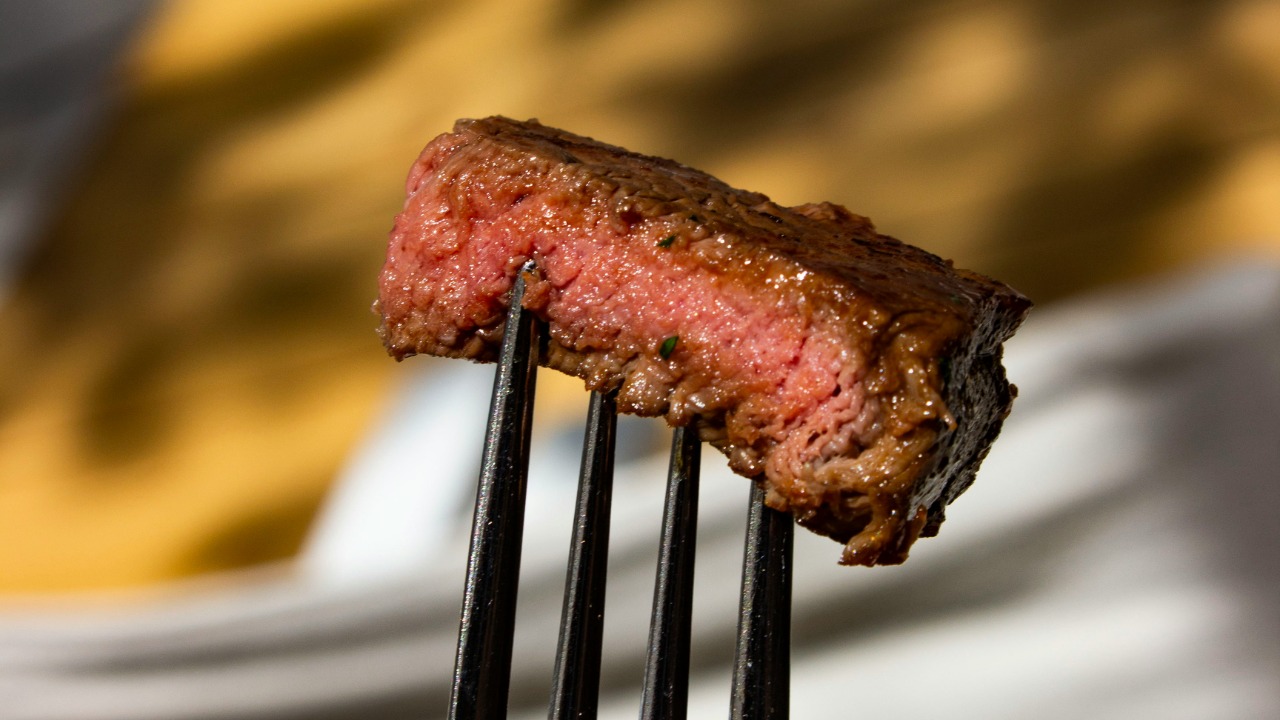
Hanger steak is known for its rich flavor and is sometimes called the “butcher’s steak” because it was historically kept by butchers for themselves. It’s a great choice for slow-cooked dishes, where its flavor can shine.
When cooked slowly, hanger steak becomes tender and succulent. It’s perfect for a variety of dishes, from stews to sandwiches. Consider marinating it beforehand to enhance its natural taste.
Blade Roast
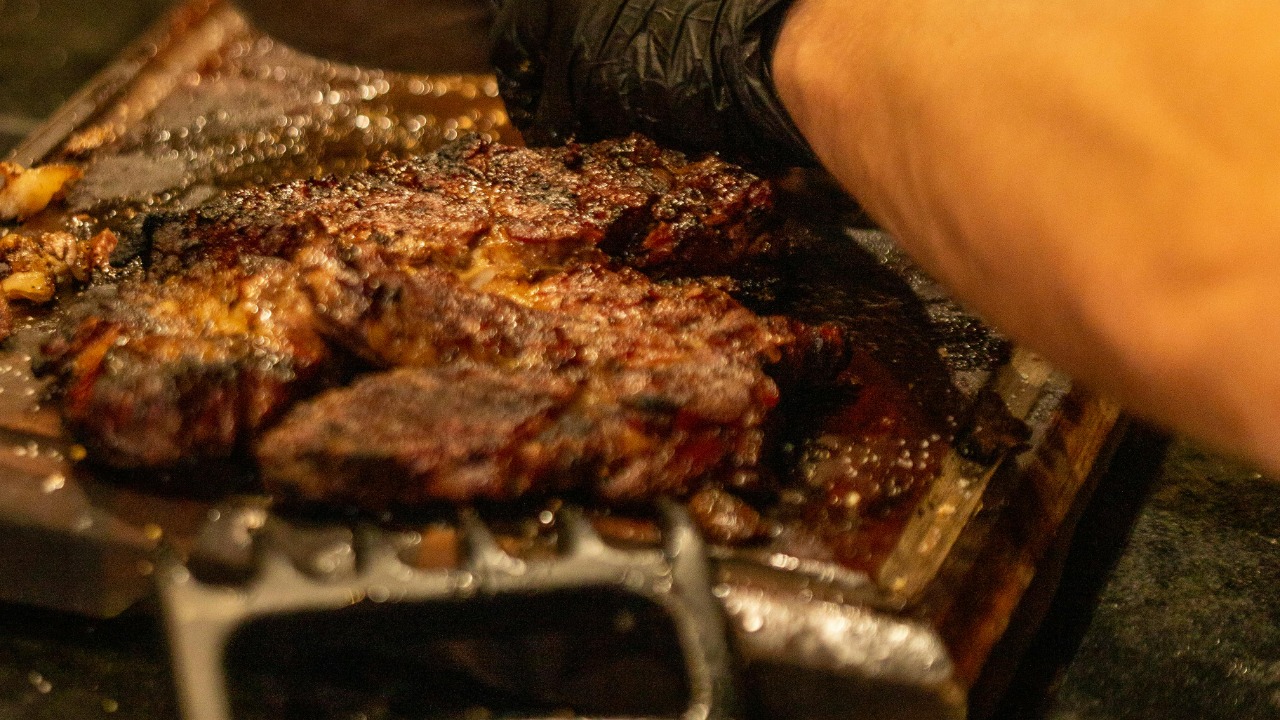
Blade roast, also known as chuck shoulder, is an affordable cut that benefits from slow cooking. It’s filled with connective tissue that breaks down over time, resulting in tender, flavorful meat.
This cut is perfect for pot roasts or beef casseroles. Add some root vegetables, and let it cook slowly for a satisfying and hearty meal that’s ideal for colder weather.
Arm Roast
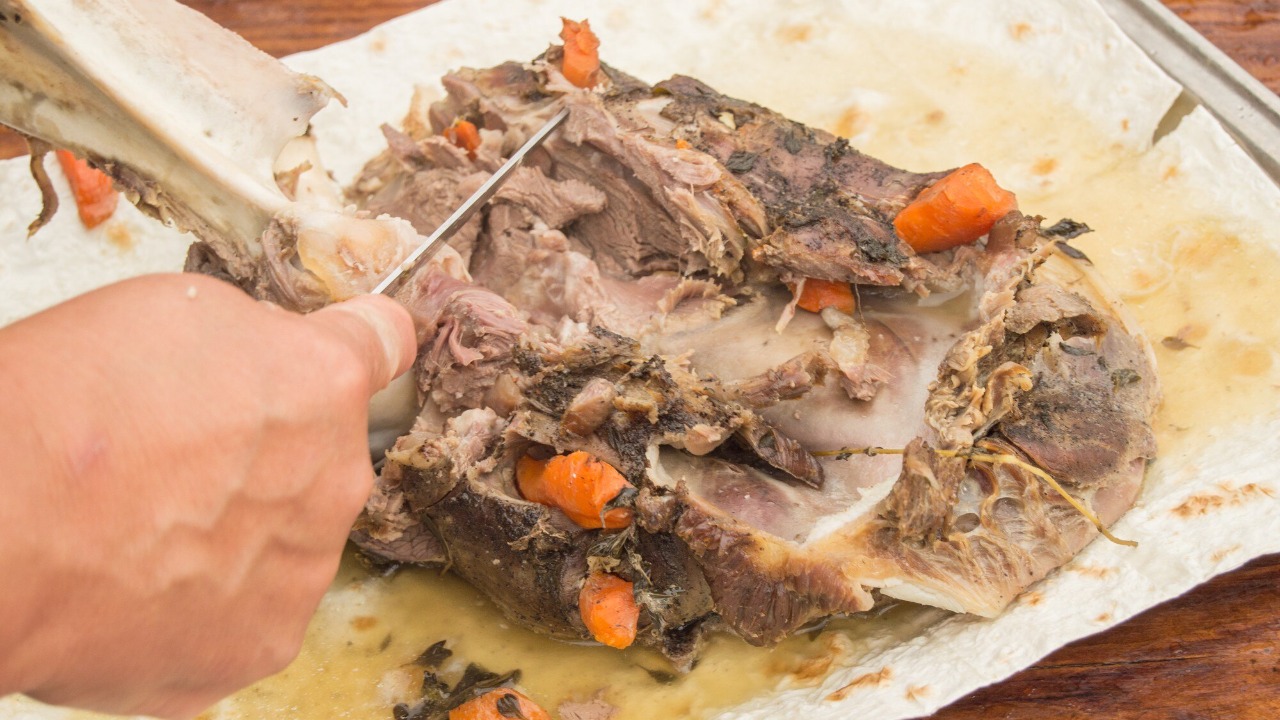
The arm roast is a lesser-known cut that’s perfect for slow cooking. It comes from the shoulder area and is filled with connective tissue, which breaks down during cooking, resulting in a tender and flavorful dish.
Use it in a traditional pot roast or a slow-cooked beef stew. The low and slow cooking process allows it to absorb flavors beautifully, making it a delicious and economical choice for family meals.
Beef Cheeks
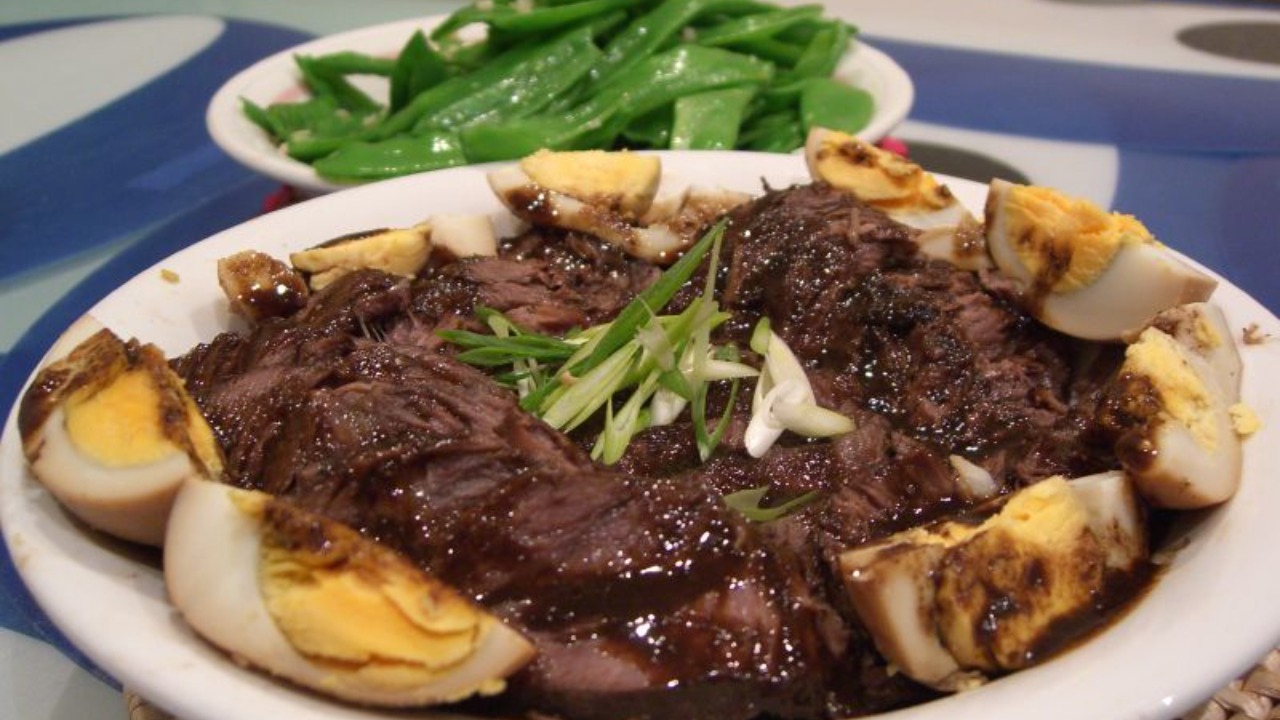
Beef cheeks are a cut that truly comes alive with slow cooking. Known for their rich flavor and tender texture, they are perfect for braises and stews. The connective tissue in beef cheeks breaks down during the cooking process, resulting in a melt-in-your-mouth experience.
Try them in a slow-cooked beef cheek ragu or a savory stew. The flavors are intensified, and the meat becomes incredibly tender, making it a standout choice for your next meal. For more inspiration, check out this beef cheeks recipe video for a delicious meal idea.

As a mom of three busy boys, I know how chaotic life can get — but I’ve learned that it’s possible to create a beautiful, cozy home even with kids running around. That’s why I started Cultivated Comfort — to share practical tips, simple systems, and a little encouragement for parents like me who want to make their home feel warm, inviting, and effortlessly stylish. Whether it’s managing toy chaos, streamlining everyday routines, or finding little moments of calm, I’m here to help you simplify your space and create a sense of comfort.
But home is just part of the story. I’m also passionate about seeing the world and creating beautiful meals to share with the people I love. Through Cultivated Comfort, I share my journey of balancing motherhood with building a home that feels rich and peaceful — and finding joy in exploring new places and flavors along the way.