Shopping for organic groceries on a budget can be challenging, but it’s not impossible. Prioritizing organic options for specific items can make a significant difference in your diet and overall well-being. Here’s a list of 22 affordable organic groceries that provide excellent value without breaking the bank.
Organic Apples
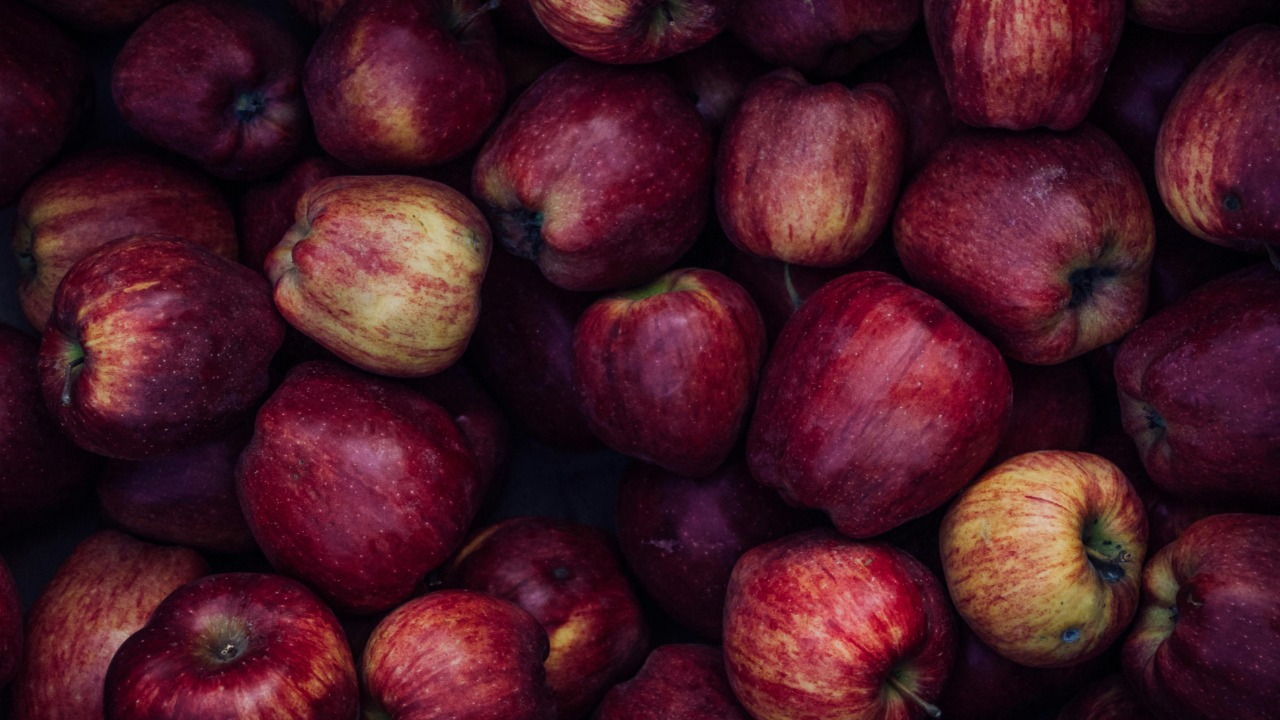
Organic apples are a staple in many households, offering a great source of dietary fiber and vitamin C. They are often part of the “Dirty Dozen,” a list of fruits and vegetables most likely to have pesticide residues, making the organic choice important. Whether you enjoy them as a snack, in salads, or baked into desserts, organic apples are versatile and delicious. For those looking to understand the impact of organic farming, apples are a great example of how organic practices can reduce exposure to harmful chemicals.
Organic Bananas

While bananas generally have lower pesticide residues due to their thick peel, choosing organic ensures that your purchase supports sustainable farming practices. Organic bananas are rich in potassium, an essential mineral for heart health. They make a perfect addition to smoothies, cereal, or as a convenient snack. Organic bananas are also known for having a fresher taste and firmer texture compared to conventional ones, making them a worthwhile investment for your fruit basket.
Organic Carrots
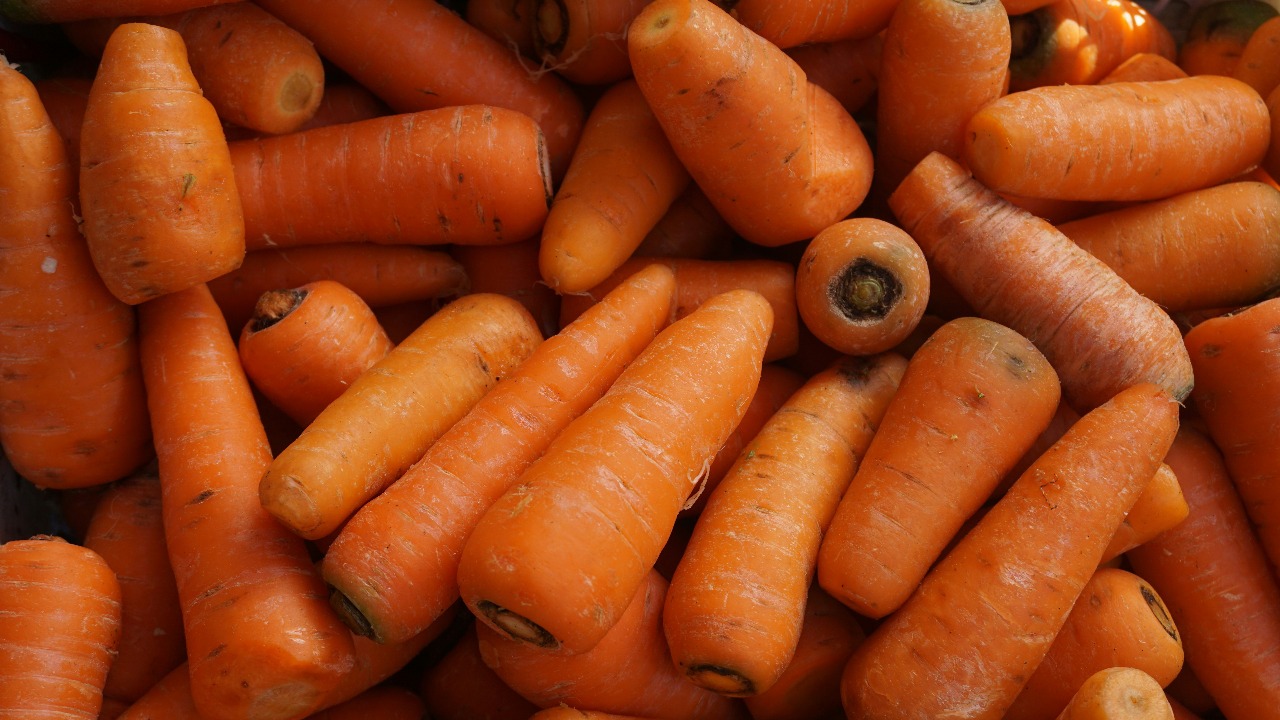
Carrots are a vegetable staple, known for their high beta-carotene content, which is converted into vitamin A in the body. Organic carrots tend to be sweeter and more flavorful than their non-organic counterparts. They are excellent raw, in salads, or cooked in a variety of dishes. Carrots are also on the “Dirty Dozen” list, making the organic option a healthier choice. By choosing organic, you not only get a more nutritious vegetable but also support farming practices that are better for the environment.
Organic Spinach
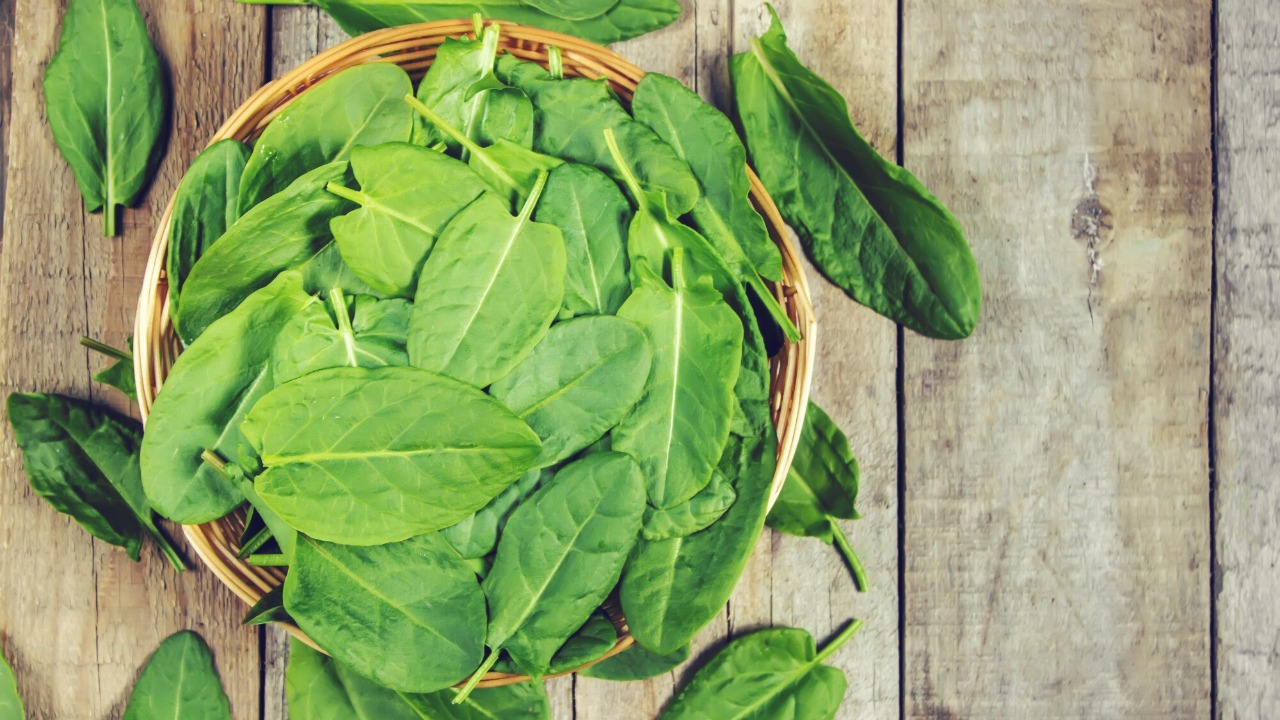
Spinach is a nutrient powerhouse, offering iron, vitamins A, C, and K, and antioxidants. However, conventional spinach is often laden with pesticides, which is why buying organic is so crucial. Organic spinach can be used in salads, smoothies, or cooked dishes, adding a boost of nutrition and flavor. By selecting organic, you not only protect your health but also contribute to ecological balance by supporting farming methods that promote soil health and biodiversity.
Organic Potatoes
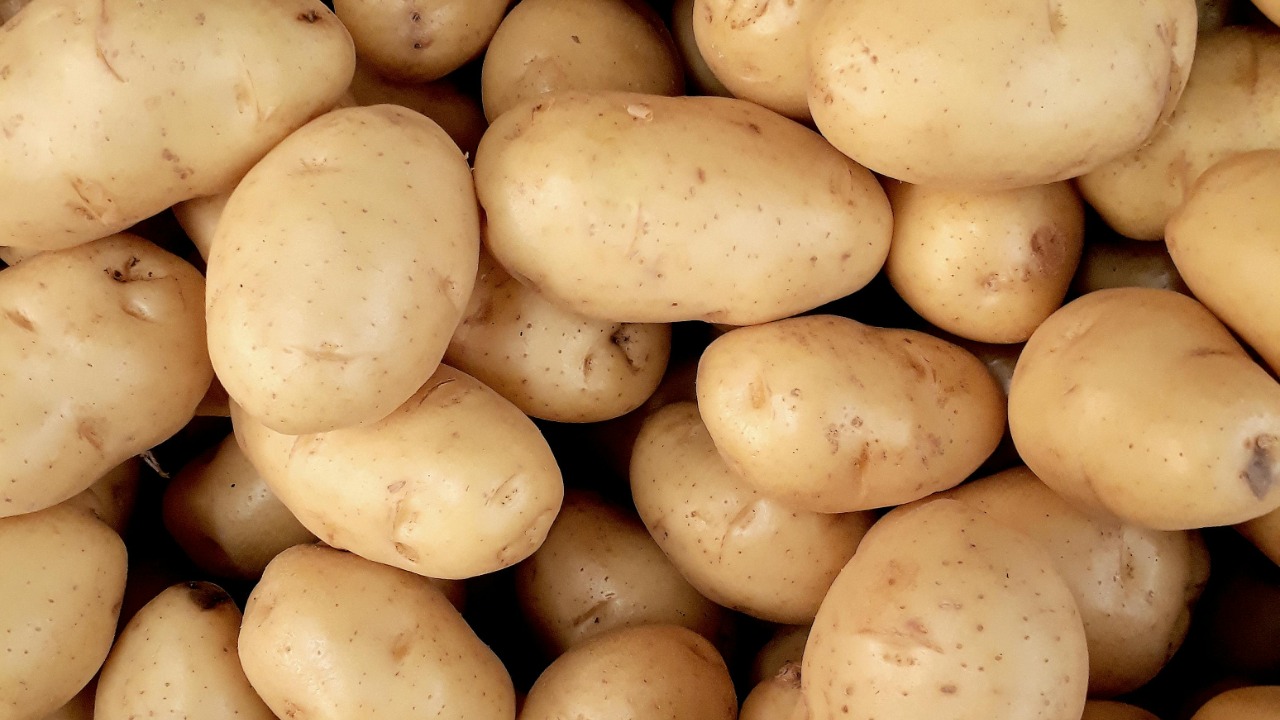
Potatoes are a versatile and budget-friendly vegetable, but they are also among the most pesticide-laden produce items. Organic potatoes are a healthier option, free from harmful chemicals and genetically modified organisms. They are perfect for roasting, mashing, or frying, offering a comforting and nutritious side dish. Opting for organic potatoes supports sustainable agriculture practices that improve soil and water quality, providing benefits beyond just a healthier meal.
Organic Onions
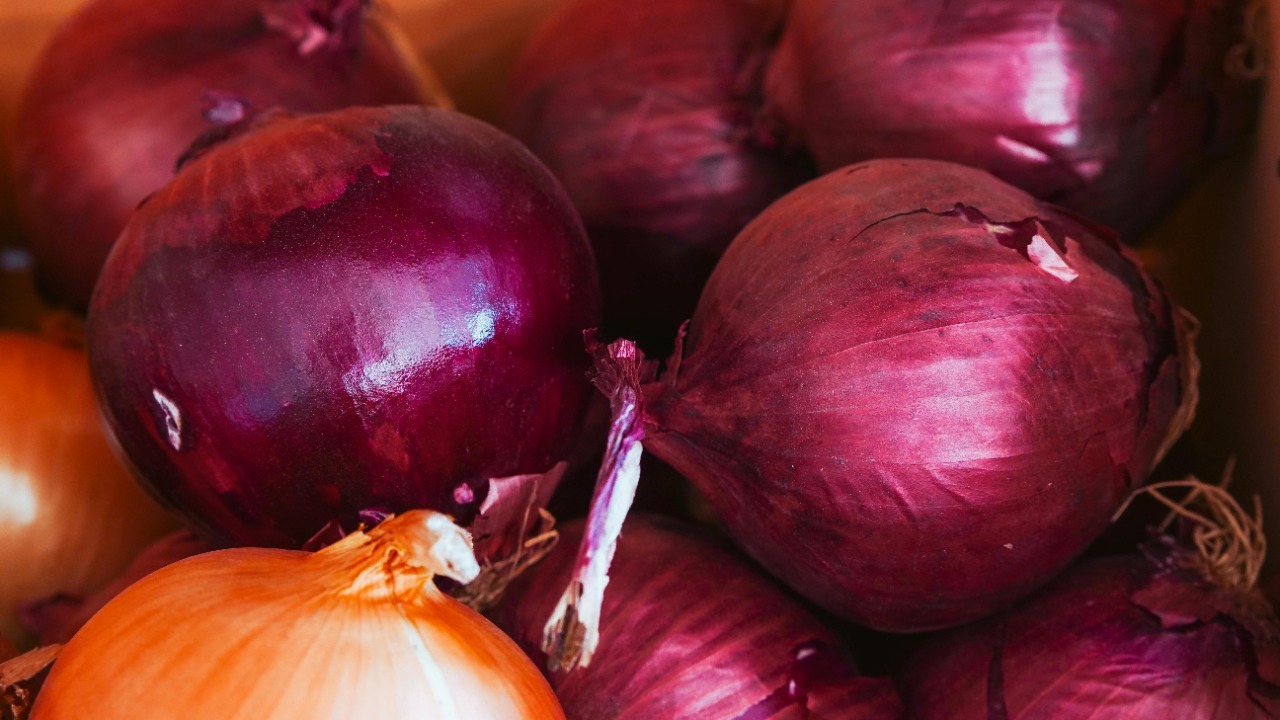
Onions may not be on the “Dirty Dozen” list, but choosing organic can still make a difference in taste and environmental impact. Organic onions are less likely to be treated with toxic pesticides, making them a healthier choice for your kitchen. They are a fundamental ingredient in countless recipes, providing a base of flavor for soups, stews, and sautés. By purchasing organic onions, you support agricultural systems that prioritize ecological health and sustainability.
Organic Garlic
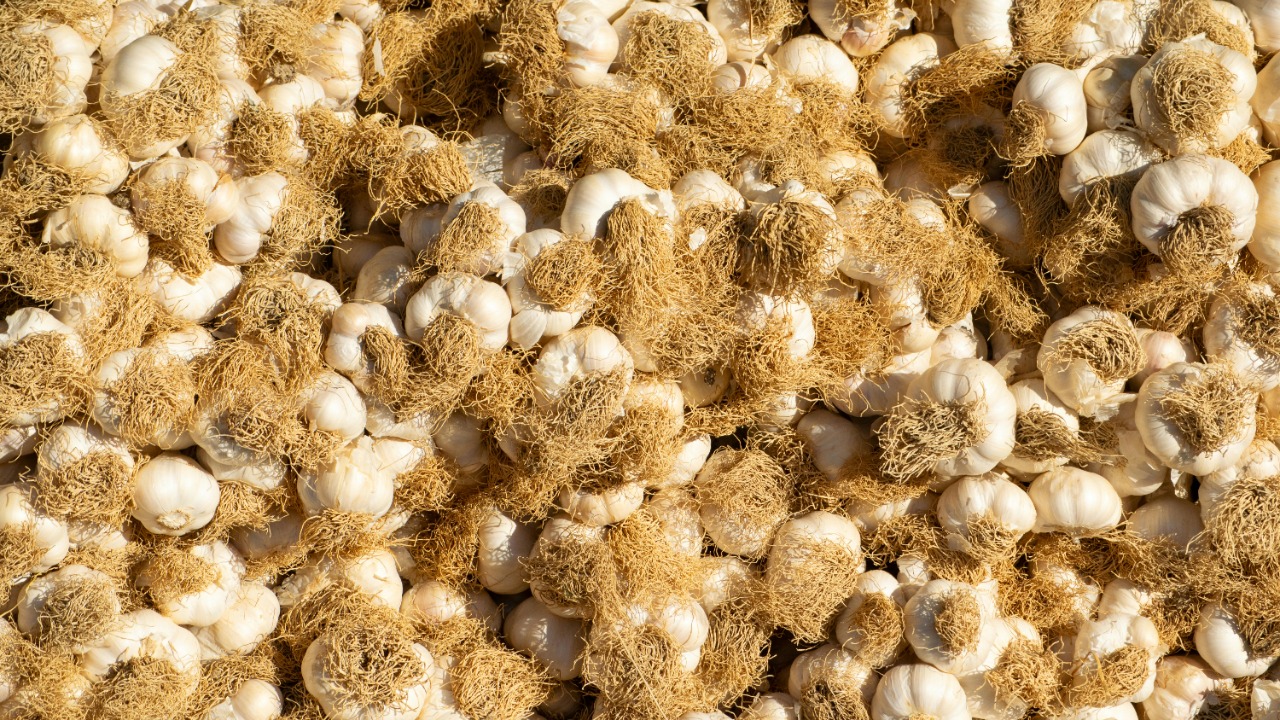
Garlic is a culinary staple known for its health benefits, including boosting the immune system and reducing blood pressure. Organic garlic is often richer in flavor and free of pesticides, making it a smart choice for health-conscious cooks. Whether you’re adding it to pasta dishes, marinades, or simply roasting it for a flavorful spread, organic garlic can elevate your meals. Opting for organic supports farming practices that avoid chemical fertilizers and pesticides, promoting healthier ecosystems.
Organic Lemons

Lemons are a kitchen essential, offering a burst of flavor and vitamin C to many dishes and beverages. However, conventional lemons can carry pesticide residues on their peel. Choosing organic lemons ensures that you avoid these chemicals and enjoy a fresher, more vibrant fruit. Organic lemons can be used in dressings, marinades, or simply squeezed into water for a refreshing drink. Supporting organic citrus farming contributes to a healthier environment and reduces pollution from chemical sprays.
Organic Brown Rice
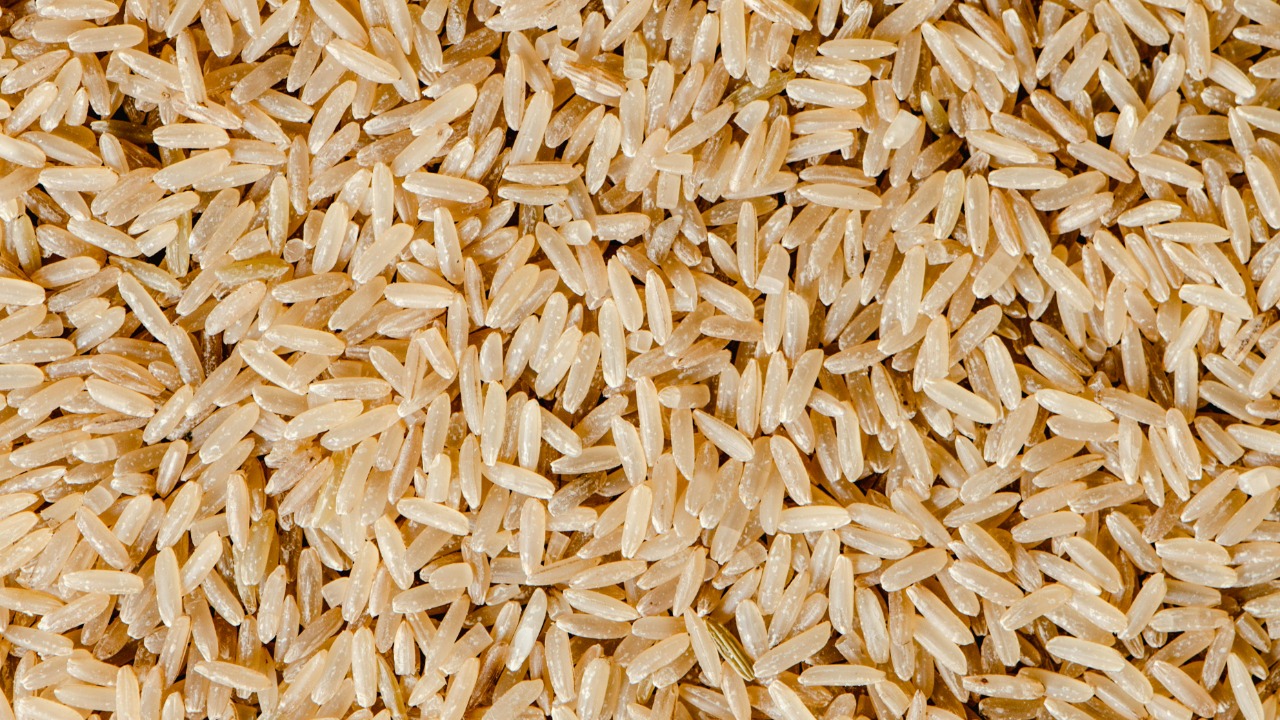
Brown rice is a whole grain packed with nutrients, including fiber, magnesium, and B vitamins. Organic brown rice is grown without synthetic pesticides or fertilizers, making it a healthier and more environmentally friendly option. It’s a versatile ingredient that can be used as a base for stir-fries, salads, or as a side dish. By choosing organic brown rice, you not only nourish your body but also promote sustainable agriculture practices that protect soil health and biodiversity.
Organic Oats
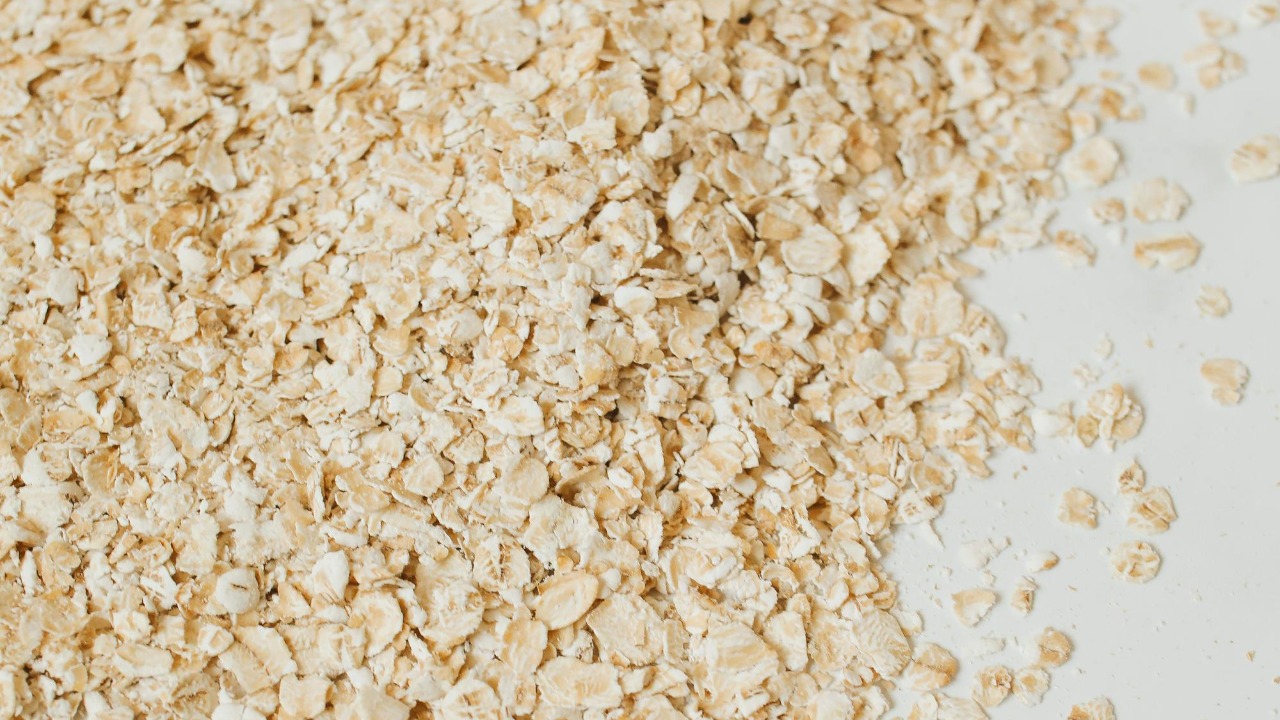
Oats are a nutritious and budget-friendly breakfast option, rich in fiber and essential nutrients. Organic oats are grown without the use of synthetic pesticides or fertilizers, making them a cleaner choice for your morning meal. Whether you enjoy them as oatmeal, in granola, or baked into cookies, organic oats provide a wholesome start to your day. By opting for organic, you support farming practices that preserve the environment and reduce the carbon footprint of your food.
Organic Black Beans

Black beans are a staple in many cuisines, offering a great source of protein, fiber, and essential nutrients. Organic black beans are grown without harmful chemicals, ensuring a healthier option for your pantry. They can be used in soups, salads, or as a protein-rich addition to tacos and burritos. Choosing organic black beans supports sustainable farming practices that conserve water and promote biodiversity, making it a smart choice for both your health and the planet.
Organic Chickpeas
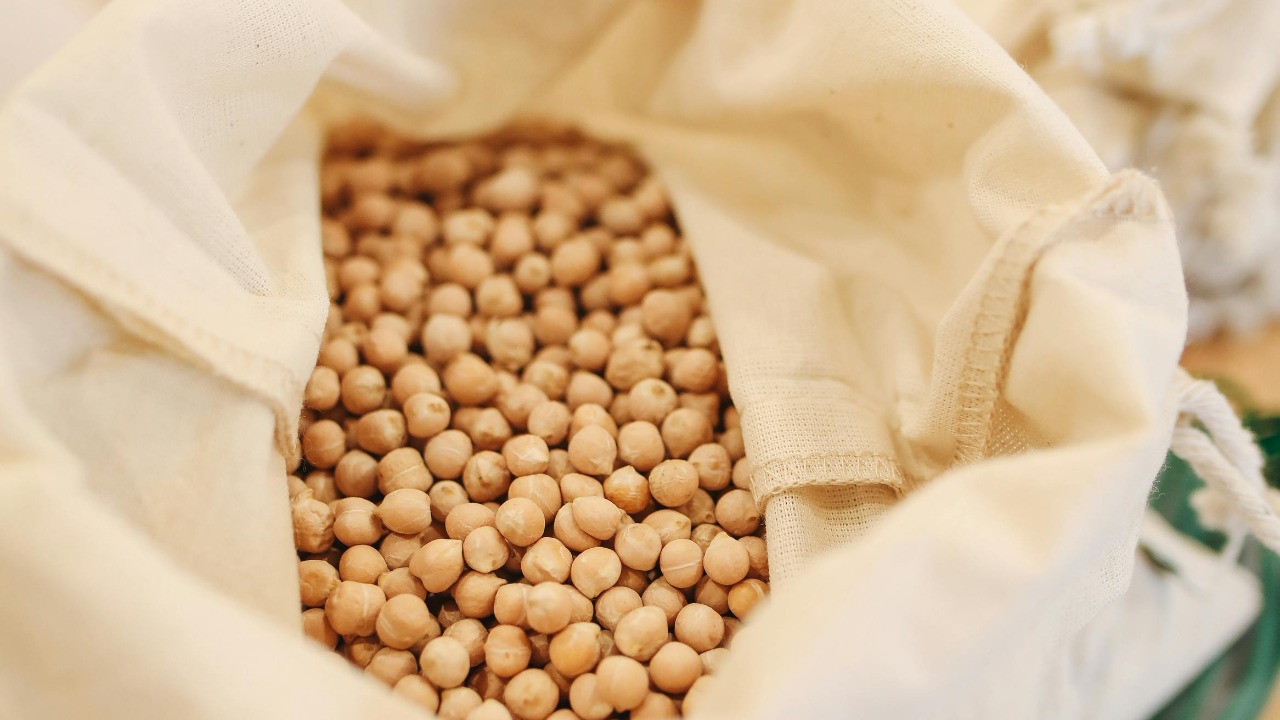
Chickpeas, also known as garbanzo beans, are a versatile legume rich in protein and fiber. Organic chickpeas are grown without synthetic pesticides or fertilizers, ensuring a clean and nutritious ingredient for your meals. They can be used in a variety of dishes, from hummus to stews and salads. By selecting organic chickpeas, you support agricultural practices that prioritize soil health and reduce chemical runoff, contributing to a healthier environment.
Organic Peanut Butter

Peanut butter is a popular pantry staple, providing healthy fats and protein. Organic peanut butter is made from peanuts grown without synthetic pesticides, ensuring a cleaner and more nutritious spread. It can be enjoyed on toast, in smoothies, or as a dip for fruits and vegetables. By choosing organic peanut butter, you support environmentally friendly farming practices and enjoy a product free from harmful additives and preservatives.
Organic Whole Wheat Bread

Whole wheat bread is a nutritious alternative to white bread, offering more fiber and essential nutrients. Organic whole wheat bread is made from wheat grown without synthetic pesticides or fertilizers, ensuring a cleaner and healthier loaf. It’s perfect for sandwiches, toast, or as a side for soups and salads. By opting for organic bread, you support sustainable agriculture practices that protect soil health and reduce chemical pollution.
Organic Eggs

Eggs are a versatile and nutrient-dense food, rich in protein and essential vitamins. Organic eggs come from hens raised on organic feed without antibiotics or hormones, ensuring a healthier and more humane choice. They can be enjoyed in a variety of dishes, from omelets to baked goods. By choosing organic eggs, you support farming practices that prioritize animal welfare and reduce the environmental impact of egg production.
Organic Milk

Milk is a dietary staple for many, providing calcium and vitamin D. Organic milk comes from cows raised on organic feed without antibiotics or growth hormones, ensuring a healthier and more natural product. It’s perfect for drinking, cooking, or adding to coffee and tea. By selecting organic milk, you support dairy farming practices that prioritize animal welfare and reduce the use of synthetic chemicals, contributing to a more sustainable food system.
Organic Yogurt

Yogurt is a nutritious and versatile food, offering probiotics, protein, and calcium. Organic yogurt is made from milk produced without synthetic pesticides, antibiotics, or growth hormones, ensuring a cleaner and healthier product. It can be enjoyed on its own, in smoothies, or as a topping for fruits and granola. By choosing organic yogurt, you support farming practices that prioritize animal welfare and environmental sustainability.
Organic Tofu
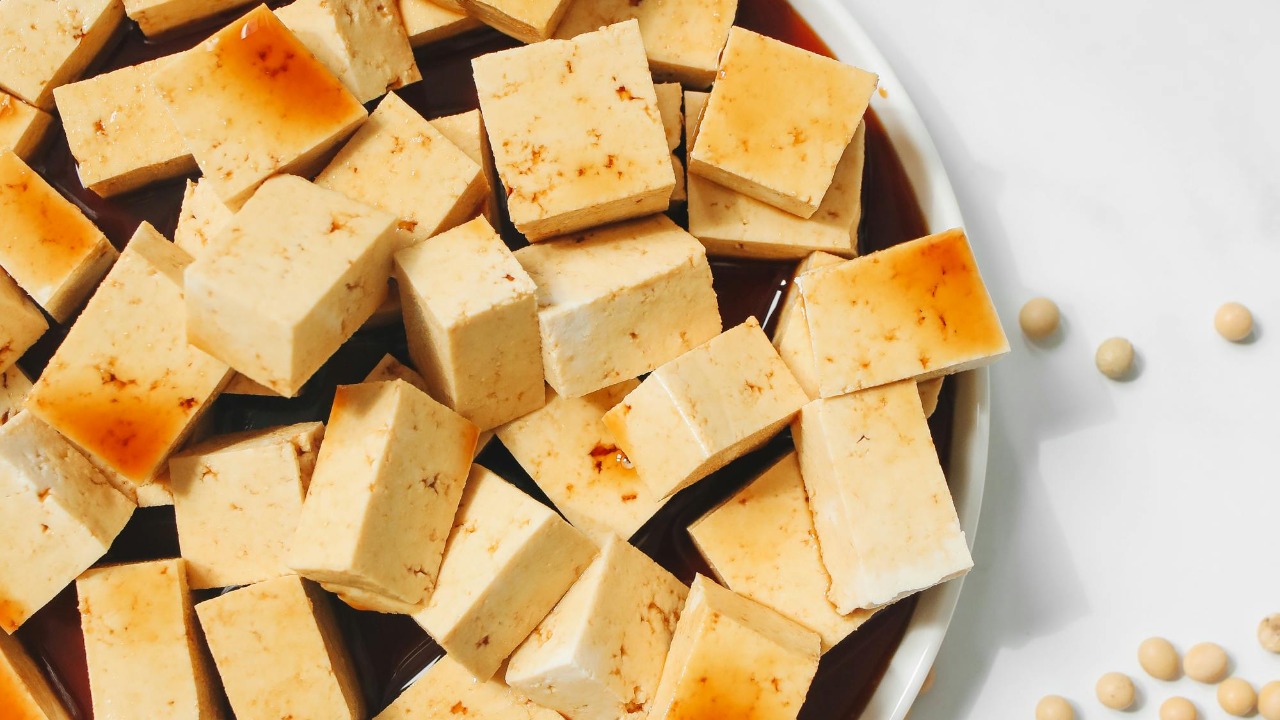
Tofu is a versatile plant-based protein, rich in iron and calcium. Organic tofu is made from soybeans grown without synthetic pesticides or genetically modified organisms, ensuring a healthier and more sustainable option. It can be used in a variety of dishes, from stir-fries to desserts. By selecting organic tofu, you support sustainable agriculture practices that protect soil health and reduce the environmental impact of soy production.
Organic Olive Oil

Olive oil is a staple in many kitchens, known for its health benefits and rich flavor. Organic olive oil is produced from olives grown without synthetic pesticides or fertilizers, ensuring a cleaner and more nutritious product. It’s perfect for cooking, dressings, or drizzling over dishes for added flavor. By choosing organic olive oil, you support sustainable farming practices that preserve the environment and promote biodiversity.
Organic Tomato Sauce

Tomato sauce is a versatile pantry staple, used in a variety of dishes from pasta to pizzas. Organic tomato sauce is made from tomatoes grown without synthetic pesticides, ensuring a cleaner and healthier product. It provides a rich source of lycopene, an antioxidant beneficial for heart health. By choosing organic tomato sauce, you support sustainable agriculture practices that protect soil health and reduce chemical pollution.
Organic Coffee

Coffee is a beloved beverage worldwide, known for its energizing properties. Organic coffee is grown without synthetic pesticides or fertilizers, ensuring a cleaner and more flavorful cup. It can be enjoyed black, with milk, or as part of your favorite coffee-based beverages. By choosing organic coffee, you support farming practices that prioritize environmental sustainability and fair trade, ensuring a better future for coffee growers and the planet.
Organic Green Tea
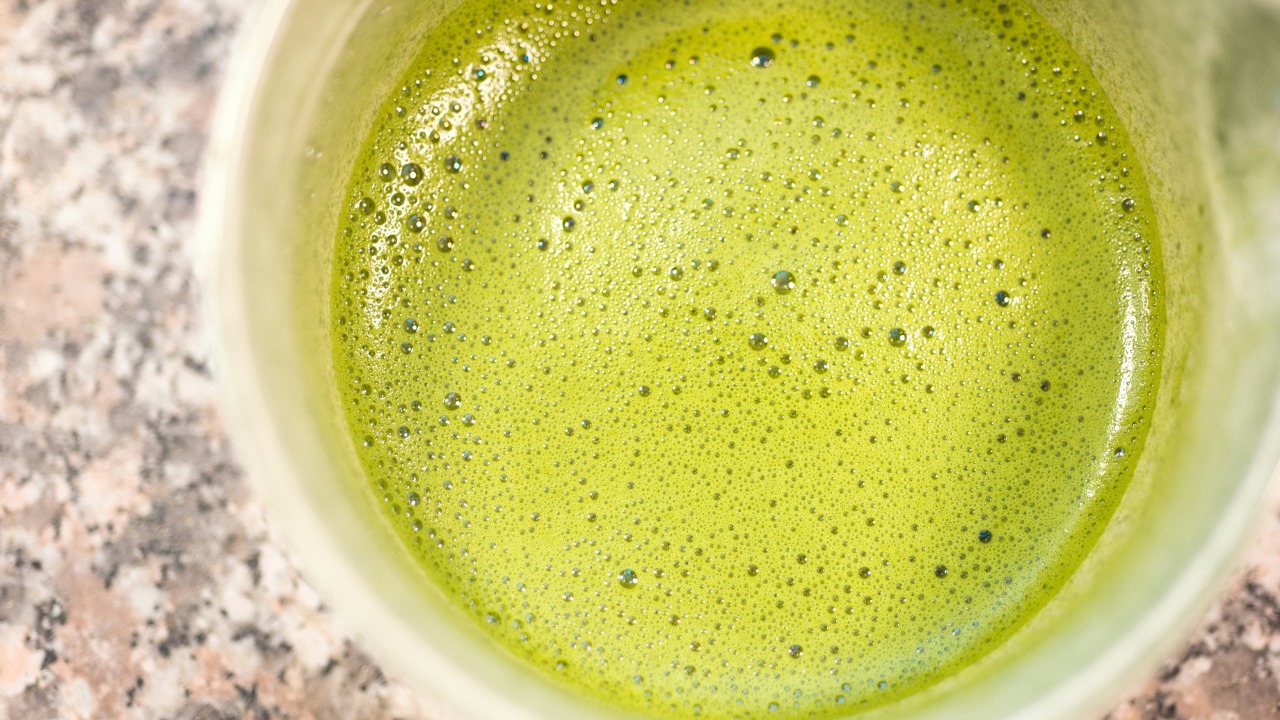
Green tea is a popular beverage known for its antioxidant properties and numerous health benefits. Organic green tea is grown without synthetic pesticides or fertilizers, ensuring a cleaner and more natural product. It can be enjoyed hot or iced, providing a refreshing and healthful drink option. By selecting organic green tea, you support sustainable agriculture practices that protect the environment and promote biodiversity, making it a smart choice for both your health and the planet.

As a mom of three busy boys, I know how chaotic life can get — but I’ve learned that it’s possible to create a beautiful, cozy home even with kids running around. That’s why I started Cultivated Comfort — to share practical tips, simple systems, and a little encouragement for parents like me who want to make their home feel warm, inviting, and effortlessly stylish. Whether it’s managing toy chaos, streamlining everyday routines, or finding little moments of calm, I’m here to help you simplify your space and create a sense of comfort.
But home is just part of the story. I’m also passionate about seeing the world and creating beautiful meals to share with the people I love. Through Cultivated Comfort, I share my journey of balancing motherhood with building a home that feels rich and peaceful — and finding joy in exploring new places and flavors along the way.