

When it comes to buying beef, it’s essential to understand what you’re getting for your money. The United States Department of Agriculture (USDA) beef grading system can be a valuable tool for consumers. It classifies beef into different grades based on factors such as marbling and age, which can significantly affect the quality, flavor, and texture of the meat.
But what exactly do these grades mean? And how do they impact your meal? We’re going to delve into the three most common grades: Prime, Choice, and Select. We’ll also tackle the differences in taste and texture, to help you make an informed decision the next time you’re at the butcher shop or supermarket.
Understanding the USDA Beef Grading System
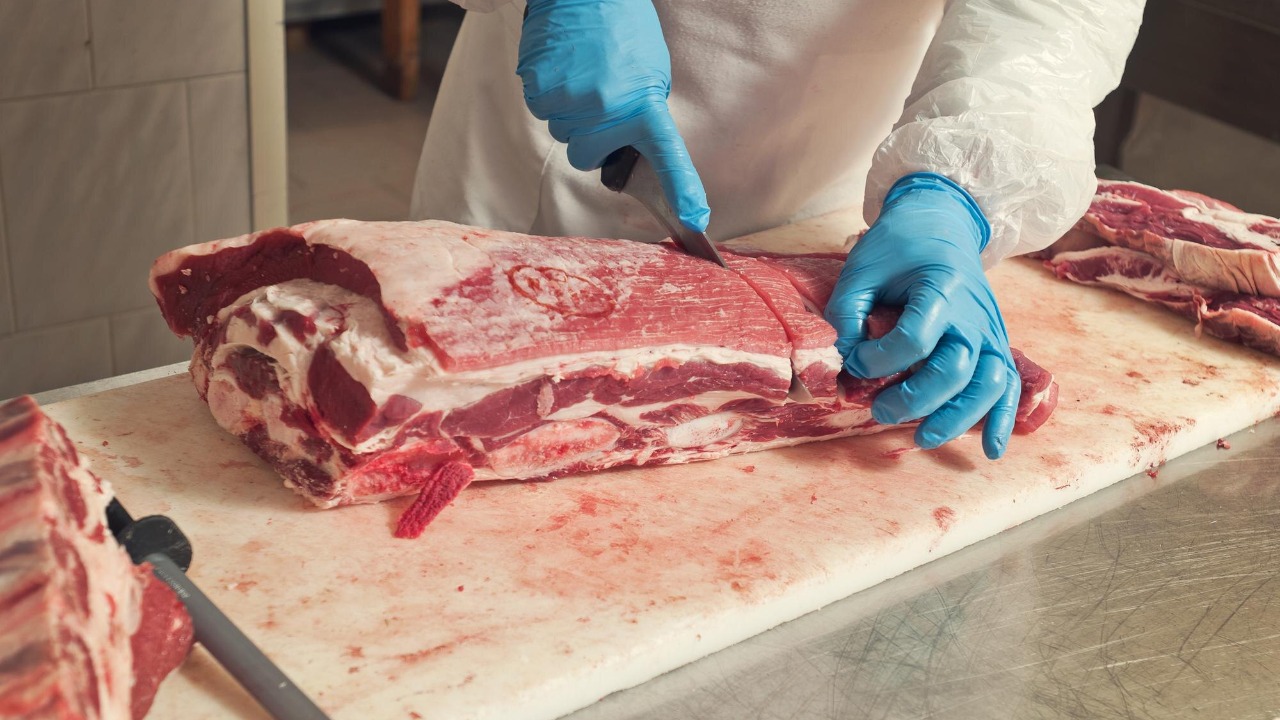
The USDA beef grading system is designed to provide a reliable measure of beef quality, taking into account factors like marbling (the amount of fat interspersed with the lean meat), color, texture, and maturity. The USDA provides a comprehensive explanation of this system, which is used by butchers and meat processors to classify beef into eight grades. However, most consumers will only encounter three of these: Prime, Choice, and Select.
It’s important to note that the grading system is voluntary, and there is a cost associated with having meat graded. As a result, not all beef you find in stores will carry a USDA grade. But when it does, it can be a helpful guide to understanding the quality and potential flavor of the meat.
Prime Beef: The Top-Quality Choice

Prime is the highest grade awarded by the USDA, representing only about 2-3% of all beef produced in the U.S. This beef has the most abundant marbling, which is what gives it a superior taste and tenderness. Prime cuts are typically found in high-end restaurants and specialty butcher shops, and they command a higher price tag as a result.
However, some retailers like Costco often offer Prime cuts at more affordable prices, making this top-tier beef accessible to more consumers. Whether you’re grilling a steak or roasting a prime rib, choosing Prime beef can make a noticeable difference in your meal.
Choice Beef: High Quality but More Affordable

Choice beef is one step below Prime in the USDA grading system, but it’s still high quality. It has less marbling than Prime, but more than Select. This grade of beef offers a good balance of quality and value, making it a popular choice for many consumers.
You’ll find Choice cuts in most supermarkets, and they are suitable for a variety of cooking methods. Whether you’re making a pot roast, grilling burgers, or slow-cooking beef stew, Choice beef can deliver flavorful and tender results without breaking the bank. For a detailed breakdown of what this grade means for you, check out this article.
Select Beef: Leaner and Less Expensive

Select beef is the leanest grade commonly available to consumers. It has less marbling than both Prime and Choice, which means it can be less juicy and tender. However, it’s also typically less expensive, making it a good option if you’re shopping on a budget.
Because Select beef is leaner, it’s important to use cooking methods that can help keep it moist and tender. Slow cooking, braising, and marinating can all be good options for Select cuts. For more tips on how to make the most of Select beef, this guide can be a handy resource.
Comparing the Taste and Texture of Prime, Choice, and Select Beef
Now that we’ve discussed the different grades, let’s talk about how they compare in terms of taste and texture. As you might expect, Prime beef, with its high level of marbling, typically offers the most flavor and tenderness. It’s often described as juicy and rich, with a melt-in-your-mouth texture.
Choice beef is also flavorful and tender, but not quite to the same extent as Prime. Select beef, on the other hand, can be a bit more challenging to cook to achieve a tender and flavorful result, due to its lower marbling. However, with the right cooking techniques, it can still deliver a satisfying meal. For a scientific comparison of the sensory attributes of these grades, this study provides some interesting insights.

As a mom of three busy boys, I know how chaotic life can get — but I’ve learned that it’s possible to create a beautiful, cozy home even with kids running around. That’s why I started Cultivated Comfort — to share practical tips, simple systems, and a little encouragement for parents like me who want to make their home feel warm, inviting, and effortlessly stylish. Whether it’s managing toy chaos, streamlining everyday routines, or finding little moments of calm, I’m here to help you simplify your space and create a sense of comfort.
But home is just part of the story. I’m also passionate about seeing the world and creating beautiful meals to share with the people I love. Through Cultivated Comfort, I share my journey of balancing motherhood with building a home that feels rich and peaceful — and finding joy in exploring new places and flavors along the way.
