Walking into a restaurant can be a delightful experience, but for the discerning eye, certain warning signs might stand out immediately. Professional restaurateurs and seasoned diners know what to look for when assessing the quality and potential issues of a dining establishment. Key red flags that experts notice first can ensure your dining experience is both enjoyable and free from unpleasant surprises.
Atmosphere and Cleanliness

Ambiance Consistency
A restaurant’s ambiance is more than just a backdrop; it’s an integral part of the dining experience. When the decor doesn’t align with the theme or menu, it can be jarring. For instance, a fine dining restaurant playing loud pop music might send mixed signals about its identity. Such inconsistencies can indicate a lack of cohesive vision or management oversight, which might affect other areas of the dining experience.
Cleanliness Standards
Cleanliness is non-negotiable for any reputable establishment. Experts often note the condition of tables, floors, and restrooms as an initial gauge of cleanliness. A sticky table or overflowing trash bin can suggest neglect in public areas, hinting at deeper hygiene issues in the kitchen. This is why seasoned diners often make a quick visit to the restroom as soon as they arrive; it’s a reliable reflection of the restaurant’s overall cleanliness standards.
Staff Appearance
The appearance of staff members can be a telling indicator of a restaurant’s attention to detail. Uniforms should be clean and well-maintained, reflecting professionalism and pride in their work. Disheveled or poorly groomed staff might signal a lack of training or low morale, both of which can impact service quality. An establishment that prioritizes staff appearance likely pays attention to other crucial aspects of the dining experience as well.
Menu and Pricing

Menu Design and Complexity
A well-designed menu is a hallmark of a focused and quality-driven restaurant. A menu that’s too lengthy or disorganized can be a red flag for indecisiveness or a lack of focus. In contrast, a concise, well-curated menu often indicates that the chef and management know their strengths. It suggests a commitment to quality, as they focus on doing a few things exceptionally well rather than offering a broad array of mediocre options.
Price-to-Quality Ratio
Experienced diners often assess whether the pricing aligns with the quality of ingredients and preparation. A $30 pasta dish, for example, should feature fresh, high-quality ingredients and expert preparation. Overpriced dishes can suggest a focus on profit over quality, which can be a major red flag. On the other hand, a restaurant that offers excellent value for money often enjoys a loyal customer base and positive word-of-mouth.
Seasonality and Specials
A menu that highlights seasonal ingredients and offers daily specials can indicate a commitment to fresh, quality products and culinary creativity. Seasonal menus often reflect a chef’s passion for local produce and their ability to innovate with what’s available. When a restaurant makes an effort to change its menu in tune with the seasons, it often means they’re dedicated to providing the best culinary experience possible.
Service Efficiency

Staff Knowledgeability
Well-trained staff should be familiar with the menu and able to make informed recommendations. This knowledge not only enhances the dining experience but also signals a well-managed establishment. For instance, if a server can suggest the perfect wine pairing for a dish, it demonstrates both their training and the restaurant’s commitment to customer satisfaction.
Promptness and Attentiveness
Efficient service is a hallmark of a well-run restaurant. Diners appreciate when staff are prompt and attentive without being intrusive. Long waits or inattentive service can be red flags, suggesting understaffing or poor management practices. A restaurant that values its guests’ time is likely to excel in other areas of service as well.
Problem Resolution
How staff handle mistakes or complaints provides insight into the restaurant’s commitment to customer satisfaction. A well-managed restaurant will have clear protocols in place for resolving issues swiftly and effectively. Observing how staff respond to a wrong order or a dissatisfied customer can reveal much about the establishment’s priorities and management effectiveness.
Kitchen Operations
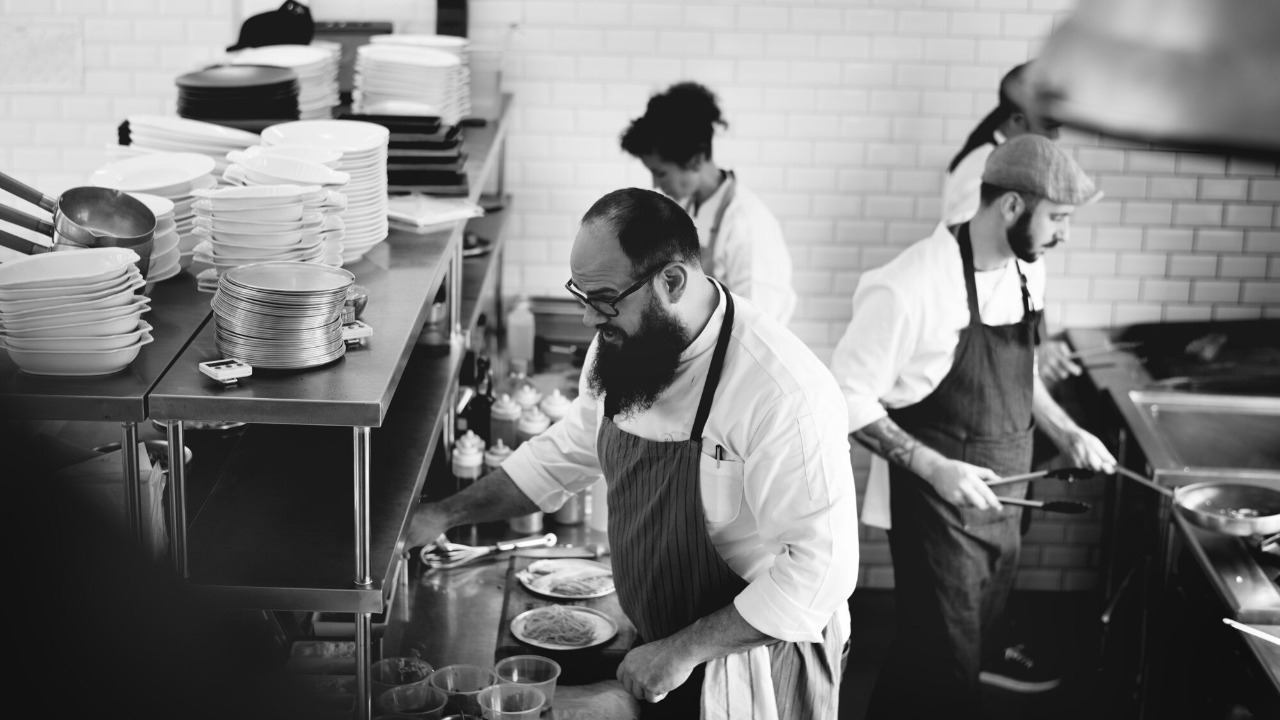
Open Kitchen Indicators
Open kitchens offer diners a glimpse into the heart of the restaurant’s operations. A clean and organized kitchen can significantly enhance a diner’s confidence in the establishment’s hygiene standards. On the other hand, visible chaos or lack of cleanliness in the kitchen can be a major deterrent, suggesting similar issues might pervade the rest of the restaurant.
Food Preparation Practices
Observing how dishes are prepared and presented can offer clues about the kitchen’s professionalism and attention to detail. A restaurant that takes pride in its food will ensure each dish is meticulously prepared and artfully presented. Sloppy plating or inconsistent presentation can hint at rushed or careless kitchen practices.
Chef’s Presence
A chef actively engaged in the kitchen, rather than absent or disengaged, often signals a dedication to quality and consistency. Regular presence in the kitchen allows the chef to oversee operations, ensure standards are met, and inspire the team. A visible chef can also enhance the dining experience, adding a personal touch that diners appreciate.
Customer Experience
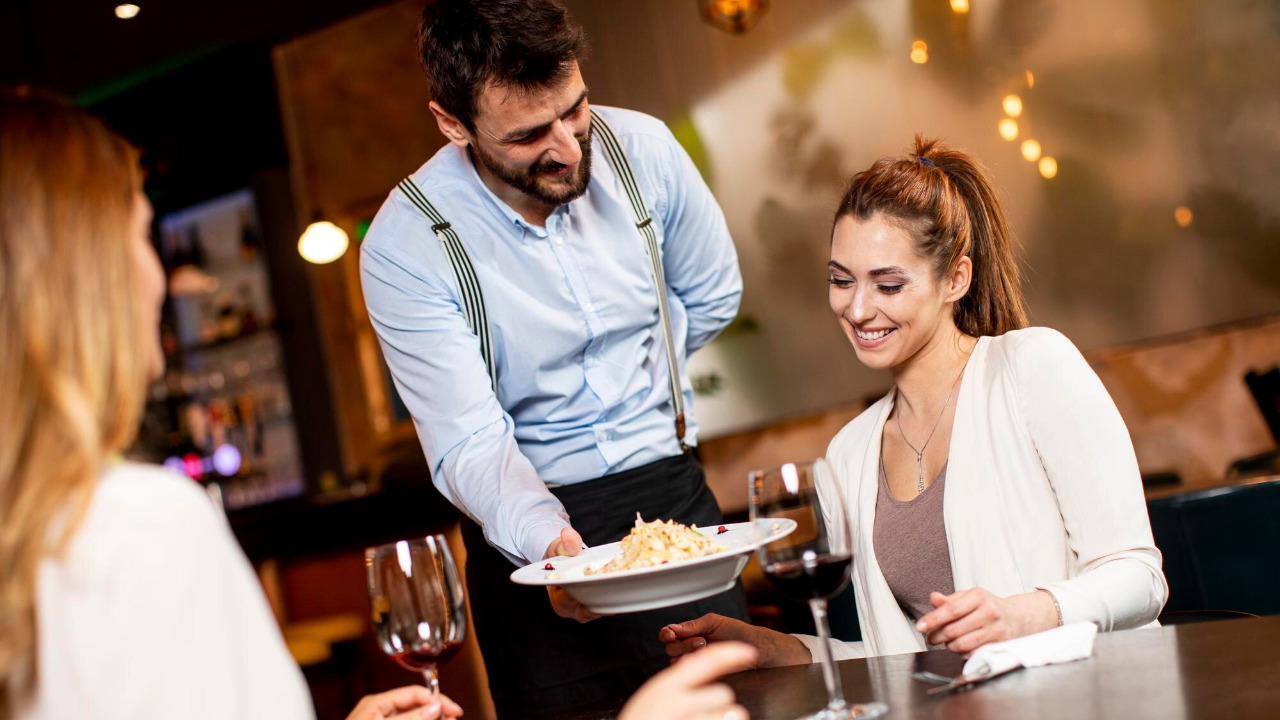
Regular Customer Feedback
Paying attention to other diners’ reactions and feedback can provide real-time insights into the restaurant’s strengths and weaknesses. Conversations overheard about dishes or service can be revealing, offering immediate feedback that complements one’s observations. Positive feedback often reflects consistent quality, while repeated complaints can highlight areas of concern.
Repeat Business Signs
A loyal customer base often indicates consistent quality and satisfaction. Observing diners who are greeted warmly by staff or who seem familiar with the menu can suggest a thriving repeat business. Conversely, a lack of regulars may suggest underlying issues in quality or service that fail to foster customer loyalty.
Online Reviews and Reputation
Cross-referencing in-person observations with online reviews can help validate initial impressions and uncover patterns of concern or praise. Websites like Yelp and TripAdvisor can be invaluable resources for gauging a restaurant’s reputation. Consistently positive reviews often align with a quality dining experience, while frequent negative feedback can be a major red flag.

As a mom of three busy boys, I know how chaotic life can get — but I’ve learned that it’s possible to create a beautiful, cozy home even with kids running around. That’s why I started Cultivated Comfort — to share practical tips, simple systems, and a little encouragement for parents like me who want to make their home feel warm, inviting, and effortlessly stylish. Whether it’s managing toy chaos, streamlining everyday routines, or finding little moments of calm, I’m here to help you simplify your space and create a sense of comfort.
But home is just part of the story. I’m also passionate about seeing the world and creating beautiful meals to share with the people I love. Through Cultivated Comfort, I share my journey of balancing motherhood with building a home that feels rich and peaceful — and finding joy in exploring new places and flavors along the way.