

As a self-proclaimed steak enthusiast, I’ve made countless mistakes in my journey to mastering the art of steak preparation. I am sharing my experiences and lessons learned to help fellow home cooks in their quest for the perfect, restaurant-quality steak.
Cutting the Steak Immediately After Cooking
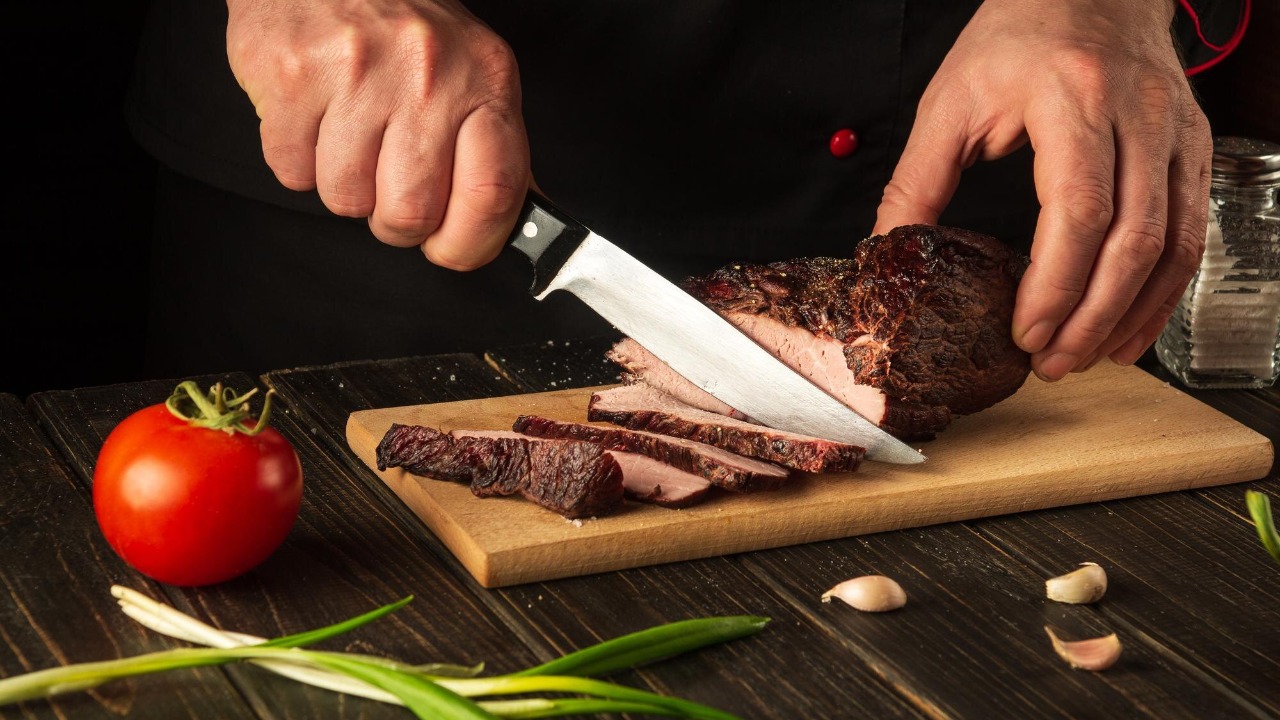
Another mistake I made was cutting the steak immediately after cooking. I didn’t realize the importance of letting the steak rest, which allows the juices to redistribute, improving the steak’s flavor and texture.
These days, I always let my steak rest for at least 5 minutes, or up to 10 minutes for larger cuts. It may be tempting to cut into your steak right away, but trust me, the wait is worth it. Your steak will be juicier and more flavorful.
Not Allowing the Steak to Reach Room Temperature
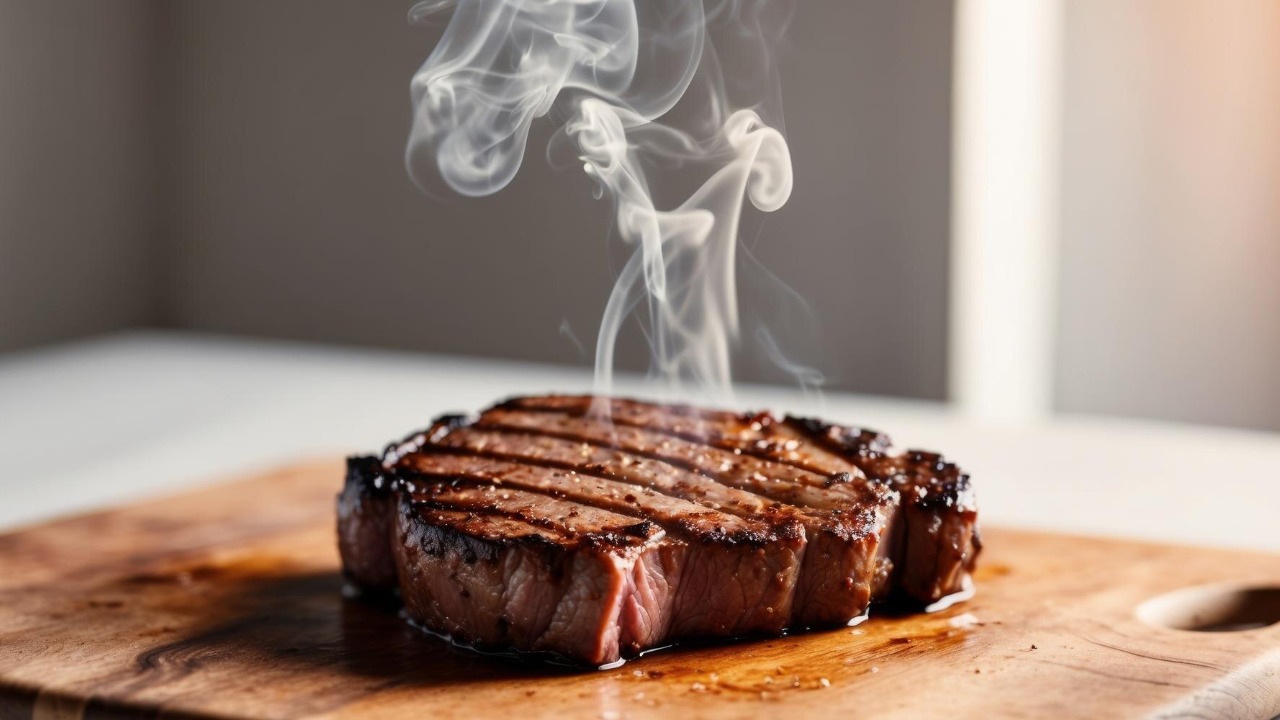
One of the first mistakes I made was cooking steak straight from the fridge. I soon realized the importance of letting the steak reach room temperature before cooking. Cooking a cold steak can result in uneven cooking, with the outer part getting overcooked while the inside remains undercooked. This can negatively impact the texture and flavor of the steak.
After learning this, I started letting my steak sit at room temperature for about 30-40 minutes before cooking. This allows for even heat distribution during cooking, resulting in a more tender and flavorful steak. It’s a small change, but it made a significant difference in the quality of my steaks.
Choosing the Wrong Cut of Steak
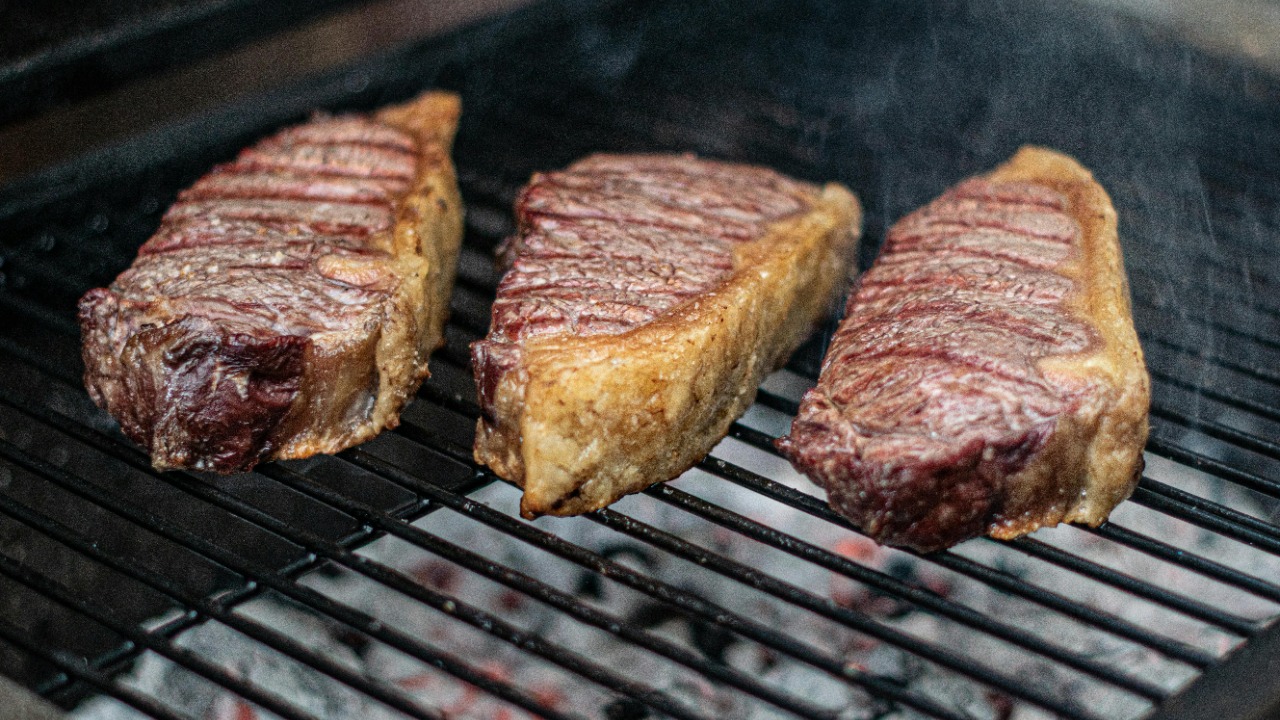
Another common mistake I made was not understanding the different cuts of steak and their respective cooking requirements. For instance, a lean cut like sirloin requires quick cooking over high heat, while a fatty cut like ribeye benefits from slower cooking to render the fat and enhance its flavor.
Knowing the right cut for your recipe is crucial. If you’re going for a pan-seared steak, a well-marbled ribeye or a New York strip would be an excellent choice. For a slow-cooked dish like pot roast, a chuck or round roast would be more suitable. It’s all about matching the cut with the cooking method to bring out the best in your steak.
Over-seasoning the Steak
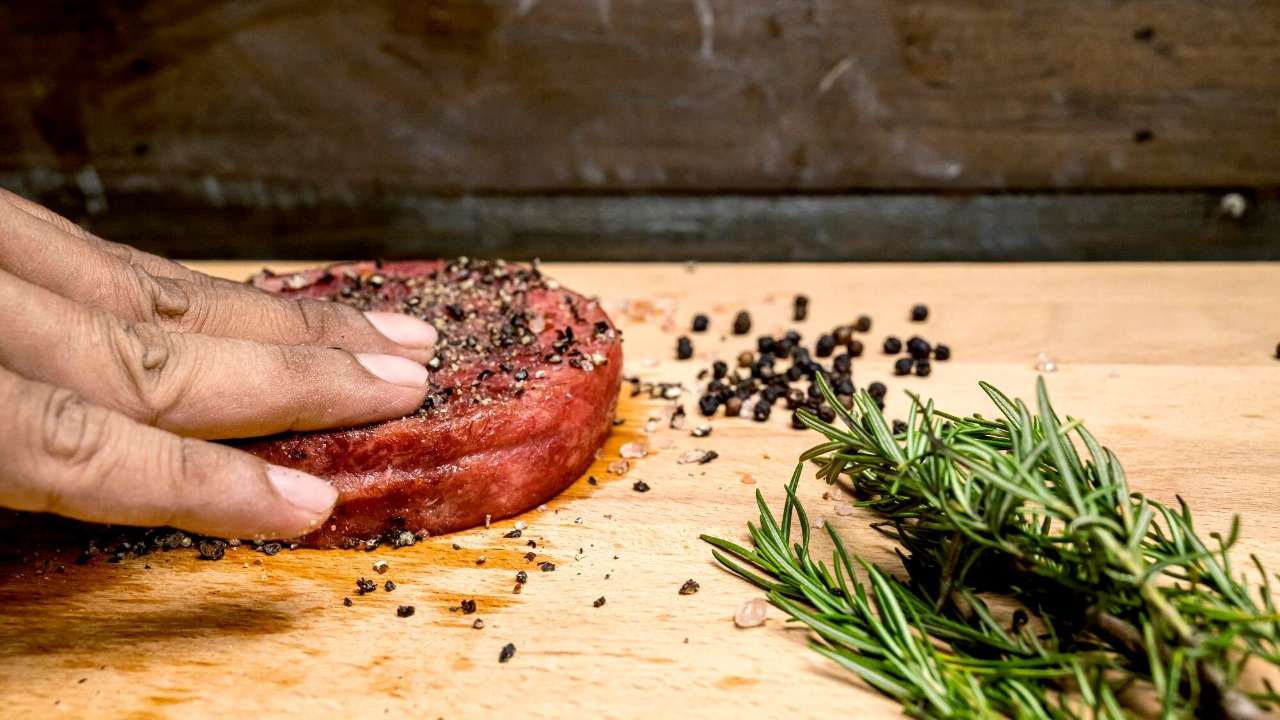
As a beginner, I often equated more seasoning with more flavor. But this isn’t true for steak. Over-seasoning can actually mask the steak’s natural flavor, which should be the star of the dish. I learned the hard way that sometimes, less is more when it comes to seasoning steak.
Now, I typically stick to the classic combination of salt and pepper, applied just before cooking. This simple seasoning enhances the steak’s natural flavor without overpowering it. Remember, the goal is to complement the steak’s flavor, not overshadow it.
Not Using the Right Cooking Method
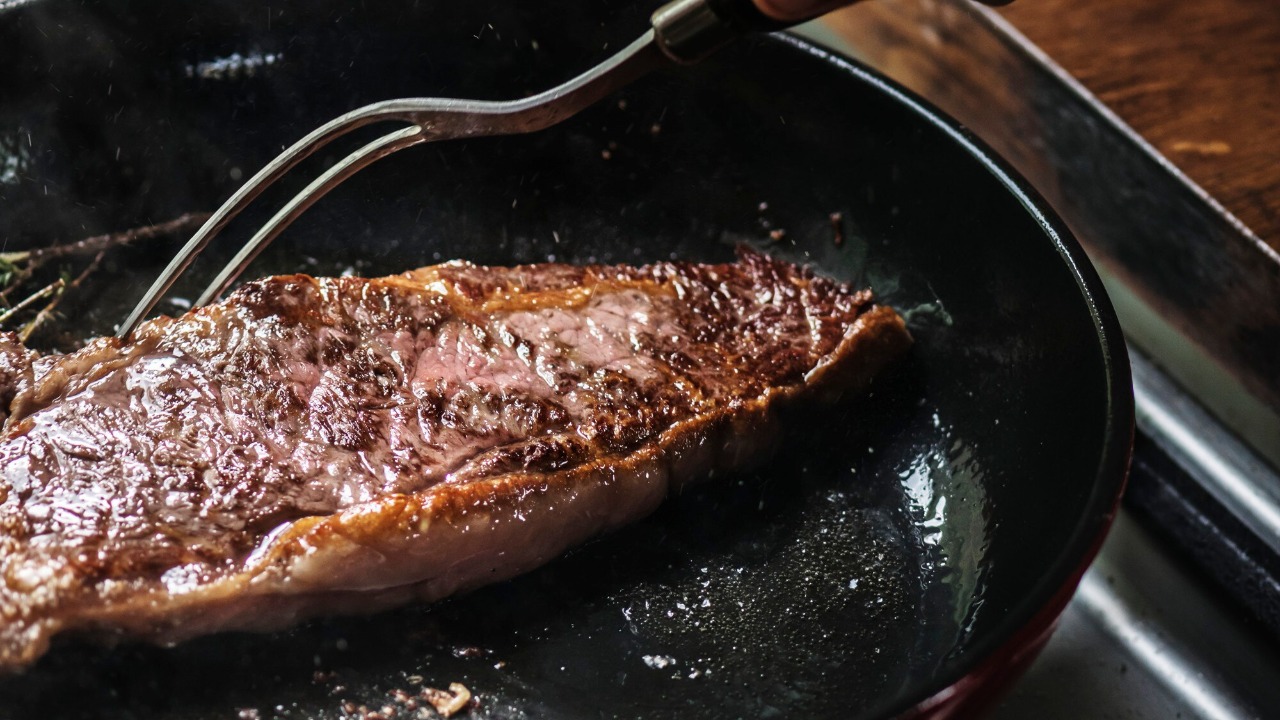
Choosing the right cooking method for your steak is just as important as choosing the right cut. I used to default to grilling, but I’ve since learned that different methods can yield different results, depending on the cut and your personal preference.
If you’re looking for a nicely charred crust with a juicy interior, grilling or pan-searing would be your best bet. For a more even doneness from edge to edge, try reverse-searing or sous vide. And if you’re dealing with a tough cut, slow cooking or braising would be most appropriate. Experiment with different methods and find what works best for you.
Turning the Steak Too Often
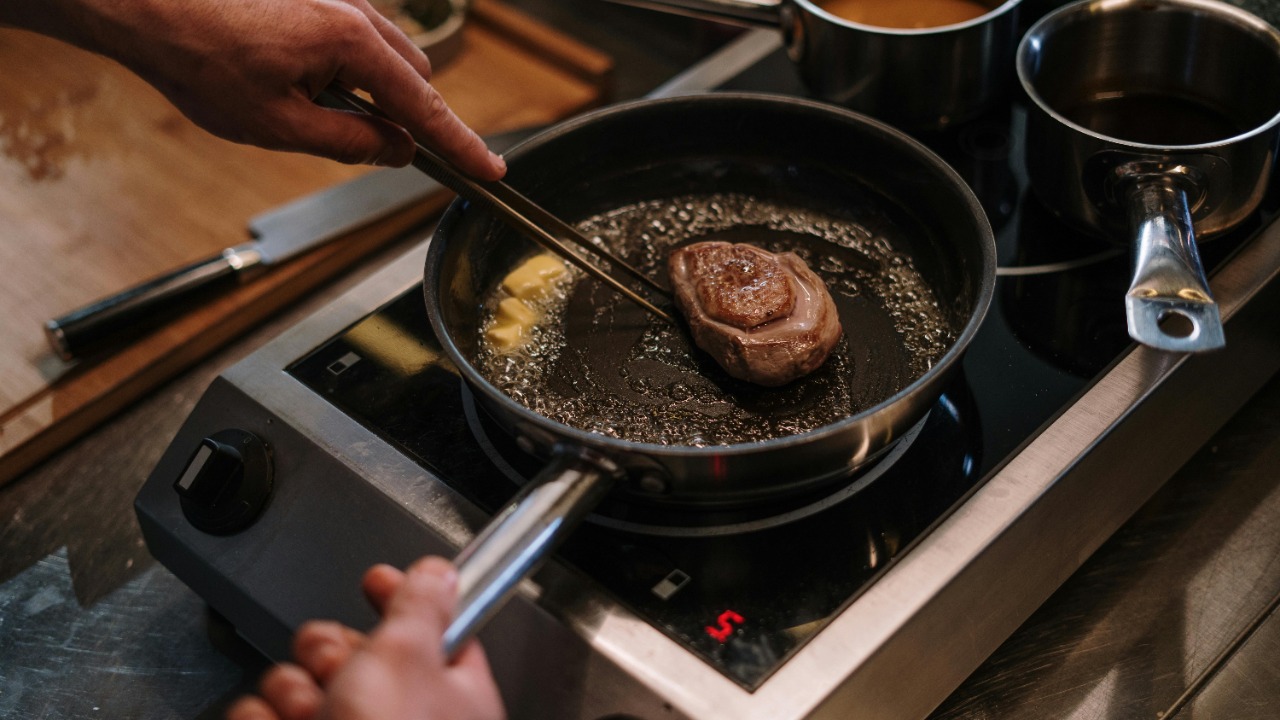
Early in my steak cooking journey, I had the habit of constantly flipping my steak in a misguided attempt to prevent burning. I later learned that letting the steak cook undisturbed is crucial for achieving a good sear.
The right time to turn the steak depends on the thickness and your desired level of doneness. As a general rule, I now give each side enough time to develop a nice crust before flipping, usually about 3-4 minutes for a 1-inch thick steak. This has significantly improved the texture and flavor of my steaks.
Disregarding the Quality of the Steak
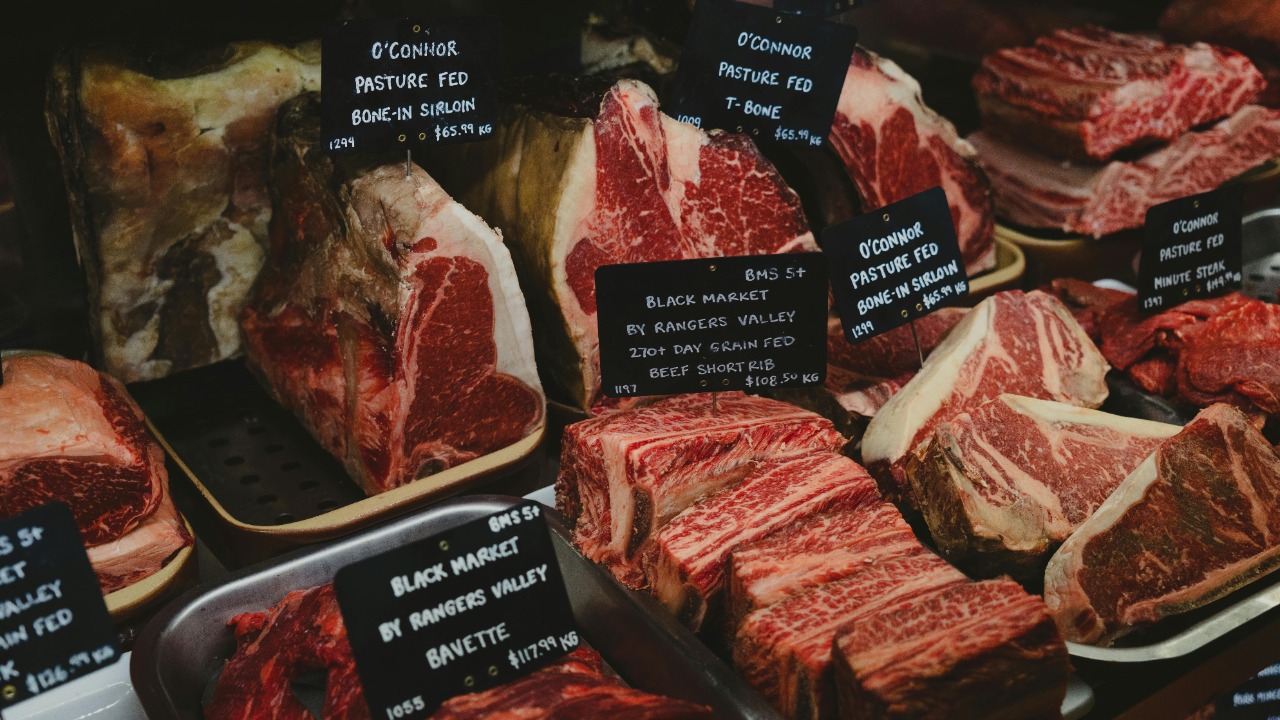
In the past, I didn’t pay enough attention to the quality of the steak I was buying. I’ve since learned that using high-quality, fresh steak is crucial for optimal taste. The quality of the meat can affect everything from the texture to the flavor of the steak.
When selecting steak at the grocery store, look for a cut with good marbling, as the fat will melt during cooking, enhancing the flavor. Also, consider investing in grass-fed or organic steak if possible, as they often have a better flavor profile compared to conventional steak.

As a mom of three busy boys, I know how chaotic life can get — but I’ve learned that it’s possible to create a beautiful, cozy home even with kids running around. That’s why I started Cultivated Comfort — to share practical tips, simple systems, and a little encouragement for parents like me who want to make their home feel warm, inviting, and effortlessly stylish. Whether it’s managing toy chaos, streamlining everyday routines, or finding little moments of calm, I’m here to help you simplify your space and create a sense of comfort.
But home is just part of the story. I’m also passionate about seeing the world and creating beautiful meals to share with the people I love. Through Cultivated Comfort, I share my journey of balancing motherhood with building a home that feels rich and peaceful — and finding joy in exploring new places and flavors along the way.
